Top Opaque Polycarbonate Sheet Suppliers in China
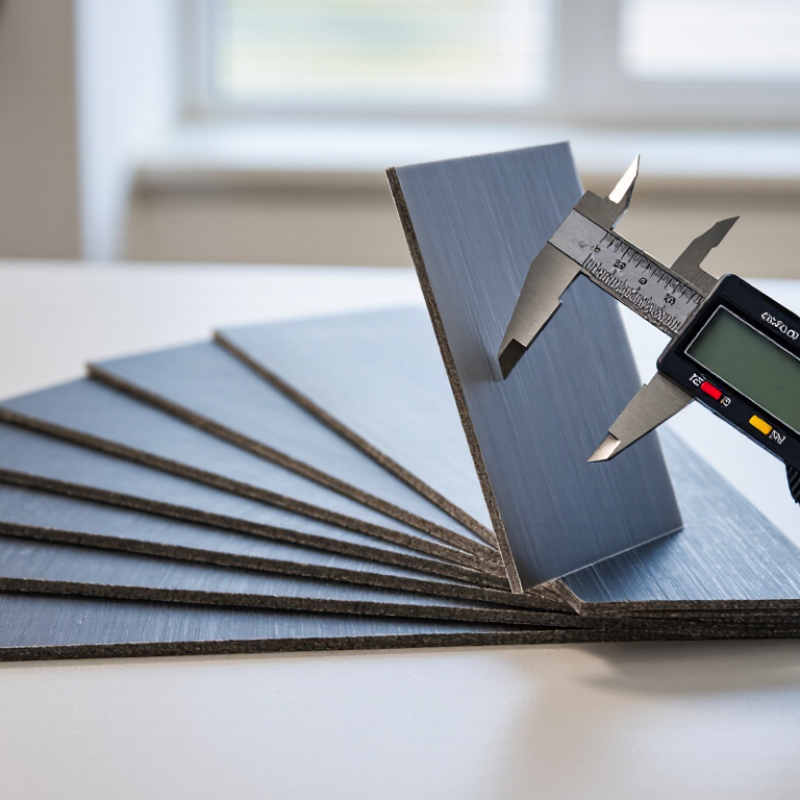
Opaque polycarbonate sheet can look simple on a supplier page: a dark, even panel with a smooth face. The real test begins under light, heat, and daily use. Buyers comparing Chinese suppliers should check thickness tolerance, color consistency, surface protection, and available test data. A sample beside a window can reveal uneven tint. A caliper can expose a thickness difference that a product photo hides.
Polymer engineer Dr. Donald G. Baird’s work offers a useful selection principle: assess materials by their performance in processing and service, not appearance alone. This is a paraphrase, not a verified direct quotation. That distinction matters. Supplier claims deserve evidence, such as technical data sheets, sample inspection, and clear answers about production controls. Ask how the sheet handles drilling, cutting, and outdoor exposure if those conditions matter to your project. Small details count.
This guide examines leading opaque polycarbonate sheet suppliers in China through practical buying criteria: product range, customization, quality documentation, communication, and export experience. No supplier is best for every application. Some buyers need consistent color across large orders; others need fast sample support or precise dimensions. A polished website is not enough. Verify the details. Even a careful comparison has limits: published specifications may not show how a finished sheet performs in your exact environment.
What Opaque Polycarbonate Sheets Are and Where They Are Used
Opaque polycarbonate sheets are solid thermoplastic panels made opaque with pigments or surface treatments. They block direct visibility and most transmitted light, unlike clear glazing. Yet they are useful where impact resistance and lighter handling than glass matter. They are not glass. Typical uses include equipment guards, privacy screens, interior partitions, signboards, and façade infill. In a workshop, a panel can separate a work cell while providing a tough, cleanable barrier. Outdoor installations may need grade-specific UV protection and suitable supports.
A common mistake is treating every opaque grade as interchangeable. Check the intended use, thickness, finish, and exposure conditions. The 2023 Global Status Report for Buildings and Construction, published by UNEP and GlobalABC, attributes 37% of global energy- and process-related CO2 emissions to the sector. That figure does not mean polycarbonate automatically lowers emissions. It does make service life, replacement frequency, and material selection worth considering.
Tips: Confirm color, UV exposure, fire-performance requirements, and chemical contact against the supplier’s technical datasheet before ordering. Check the edges. A small sample can help reveal the actual color and finish.
How China’s Opaque Polycarbonate Sheet Supply Market Is Structured
China’s opaque polycarbonate sheet market is a chain, not a single supplier tier. Resin producers supply base material; sheet extruders add color and control thickness; converters cut sheets for roofing, partitions, and machine guards. Trading companies often connect smaller buyers with factories, but may not control production.
Plastics Europe’s Plastics—The Fast Facts 2024 reports 413.8 million tonnes of global plastics production in 2023, with China accounting for 23.9 percent. These figures cover all plastics, not polycarbonate sheets. They indicate manufacturing scale, not the number of qualified sheet makers. That distinction matters.
Product differences often appear at the cut edge. Pigment loading affects opacity, while sheet thickness and surface finish influence light transmission and handling. Ask for measured thickness, batch consistency, and test data for the intended application. A datasheet alone may not show how a large sheet performs after storage or fabrication. Requesting a sample can reveal uneven color or surface marks. Not every supplier offers the same level of traceability. That deserves a closer look. Compare factory-direct producers and trading firms by production capacity, inspection records, lead times, and how clearly they explain material specifications.
Leading Opaque Polycarbonate Sheet Suppliers in China
Leading opaque polycarbonate sheet suppliers in China support construction, signage, machine guards, and interior projects. Their value is not measured by production volume alone. Consistent thickness, color, surface finish, and dimensions matter when orders are repeated. Ask for technical data sheets and samples before selecting a supplier. Hold a sample beneath a bright lamp to check for uneven opacity, waviness, pinholes, or stressed edges. Small defects matter.
A capable supplier should explain resin grade, UV protection options, impact performance, and fabrication limits clearly. Request test reports that match the product specification, rather than a generic document. Confirm sheet sizes, protective film, packaging, lead times, and the process for handling quality concerns. For outdoor applications, ask how weathering data was measured; indoor projects may have different performance needs. These checks can reduce cutting waste and installation delays. Still, supplier claims deserve independent review. A sample may look uniform, while a larger batch shows variation. That possibility deserves attention.
Top Opaque Polycarbonate Sheet Suppliers in China - Leading Opaque Polycarbonate Sheet Suppliers in China
Supplier comparison guide based on commonly available opaque polycarbonate sheet options. Specifications and availability vary by manufacturer; confirm the current product datasheet before ordering.
| Comparison Dimension | Common Market Options | What to Confirm with a Supplier | Why It Matters |
|---|---|---|---|
| Sheet type | Solid opaque sheet; multiwall sheet is also available in some opaque or light-diffusing grades. | Confirm whether the product is solid or multiwall and request a cross-section drawing where relevant. | Construction affects weight, stiffness, insulation, appearance, and installation method. |
| Opaque colors | Common options include white, black, gray, and custom colors, subject to the supplier’s production range. | Ask for color samples, a color reference, and confirmation of batch-to-batch color tolerance. | Color affects appearance and can influence how much light passes through the sheet. |
| Light transmission | Opaque grades are designed to block direct visibility; actual visible-light transmission depends on color, formulation, and thickness. | Request a stated visible-light-transmission value or test report for the exact grade and thickness. | “Opaque” does not specify one universal transmission level; applications may require different degrees of light blocking. |
| Thickness | Thickness ranges vary by product type and manufacturer; solid sheets are offered in multiple thicknesses. | Confirm nominal and actual thickness, tolerance, available sheet sizes, and whether custom cutting is offered. | Thickness influences rigidity, weight, fabrication, and the suitability of the sheet for a particular installation. |
| UV protection | Some sheets have a UV-protective layer on one or both sides; other grades may be intended for indoor use. | Confirm which side is UV-protected, how it is identified, and whether the intended outdoor-use warranty applies. | UV protection is relevant to outdoor exposure and long-term appearance; it should be verified for the specific product. |
| Impact and temperature performance | Performance depends on the sheet grade, thickness, processing, and service conditions. | Request product-specific impact, temperature, and installation guidance rather than relying on generic material claims. | Application conditions affect durability, especially where sheets face impact, heat, or cold. |
| Fabrication support | Many suppliers can provide cutting or discuss machining and installation requirements. | Confirm cutting tolerances, edge finish, minimum order quantities, and recommended fasteners or expansion allowances. | Polycarbonate expands with temperature changes, so correct sizing and installation details are important. |
| Quality documentation | Documentation may include technical datasheets, inspection records, and test reports for stated properties. | Request documents tied to the exact grade, color, thickness, and production batch being quoted. | Product-specific records make it easier to compare offers and verify that the delivered sheet matches the order. |
| Order and export details | Lead time, packaging, shipping terms, and export support differ between suppliers and orders. | Confirm production lead time, packing method, shipment terms, payment terms, and replacement policy for transit damage. | Clear commercial terms help prevent delays and reduce the risk of damage during handling and transport. |
Note: This table presents general product and sourcing considerations, not verified rankings or specifications for individual suppliers.
How Suppliers Differ in Materials, Customization, and Production Capacity
Top Opaque Polycarbonate Sheet Suppliers in China
Opaque polycarbonate sheets can look similar in a catalogue but perform differently in use. Suppliers may vary in resin selection, pigment consistency, thickness range, and UV protection. These choices affect color stability, impact resistance, and outdoor service life. A white sheet for a machine cover, for example, may need different light blocking and surface properties from a dark panel used for privacy. Ask for a sample in the intended thickness. Details matter.
Customization is another dividing line. Some suppliers offer standard colors and fixed sizes, while others can discuss custom shades, cut dimensions, surface textures, or protective films. Confirm tolerances in writing, especially when sheets must fit an existing frame. A sample can still mislead if its finish or thickness differs from the production batch. Not always obvious. Request a production sample when appearance is critical, and check both faces under the lighting where the sheet will be installed.
Production capacity is not just a headline figure. It includes consistent output, inspection procedures, packaging, and the ability to meet agreed delivery windows. Ask how thickness and color are checked across a batch, and whether the supplier can provide relevant test records. Compare lead times for samples and full orders. A large facility may handle volume well, but communication can still be uneven; smaller runs may receive closer attention, though capacity should be verified. Ask for evidence, then compare the actual sheet against your specification.
Opaque Polycarbonate Sheet Suppliers: A Material-Customization Benchmark
Estimated sheet mass per square metre at common nominal thicknesses
Estimates use a typical polycarbonate density of 1.20 g/cm³, equivalent to approximately 1.2 kg/m² per millimetre of thickness. Actual opaque-sheet mass can vary with formulation and additives. This material-based benchmark is not a supplier capacity comparison; production capacity and available customization should be confirmed directly with each supplier.
How to Evaluate and Select a Chinese Polycarbonate Sheet Supplier
Top Opaque Polycarbonate Sheet Suppliers in China
How to Evaluate and Select a Chinese Polycarbonate Sheet Supplier
Choosing a supplier takes more than comparing price lists. Grand View Research valued the global polycarbonate market at USD 20.9 billion in 2022 and forecast 4.6% annual growth from 2023 to 2030. That growth brings more options, but it does not guarantee consistent sheet quality. Ask for thickness tolerance, density, impact-test results, UV protection details, and batch traceability. Request samples in your actual thickness and color; inspect the cut edge, surface finish, and light transmission under the same workshop lighting you use. Small details matter.
Tips: Ask the supplier to provide recent test reports and explain the test method, sample size, and issuing laboratory. Confirm whether reported impact strength applies to the finished opaque sheet, not just the raw resin. Check production capacity, lead time, packaging, and how claims are handled. A neat certificate alone is not enough.
One uncomfortable point: supplier audits and polished product photos can create confidence before performance is proven. Start with a small trial order, then measure flatness and color consistency across several sheets. Record the results. If a supplier avoids clear answers about formulation changes or tolerances, treat that as a risk—not a minor paperwork issue. I would still leave room for judgment: even a good sample cannot guarantee every future batch.
Related Posts
-
What Are Polycarbonate Plastic Sheets?
-
7 Best Polycarbonate Clear Plastic Sheets for Buyers
-

7 Best Solid Polycarbonate Sheets for Global Buyers?
-
Top 10 Benefits of Polycarbonate Clear Plastic Sheets?
-
2026 Best Types of PC Sheets for Global Buyers
-

Why Choose Polycarbonate Sheets for Your Next Project and Their Benefits