7 Best Solid Polycarbonate Sheets for Global Buyers?

Choosing the right solid polycarbonate sheet can shape a project’s safety, lifespan, and total cost. Global buyers often compare thickness, impact strength, light transmission, surface treatment, and supplier reliability. Yet product descriptions do not always reveal how sheets perform after months of sunlight, temperature changes, and handling.

This guide examines seven leading solid polycarbonate options for commercial, industrial, architectural, and protective applications. Each selection is considered through practical details, including dimensional stability, UV protection, fire performance, weight, fabrication needs, and available certifications. Regional standards may differ, so buyers should verify technical documents before placing an international order. A trusted supplier should provide current test reports, installation guidance, batch information, and clear warranty terms.

No single sheet is perfect. A highly transparent panel may show scratches more easily, while a textured surface can reduce glare but change visual appearance. Cost comparisons can also become misleading when shipping, protective packaging, cutting, and customs requirements are added. This article aims to make those trade-offs easier to understand. It draws on common construction practices, manufacturer specifications, and real purchasing considerations rather than marketing claims alone. Still, specifications should be checked carefully for each project. Small details matter. The best solid polycarbonate sheet depends on climate, load conditions, design priorities, and local compliance requirements.
7 Best Solid Polycarbonate Sheets for Global Buyers?

What Are Solid Polycarbonate Sheets and How Are They Used?

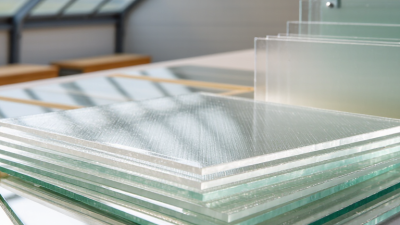
Solid polycarbonate sheets are flat, dense panels made from durable thermoplastic resin. Unlike multiwall panels, they contain no internal channels. Their clear appearance can resemble glass, but they are much lighter and more resistant to impact.

These sheets are used for safety glazing, machine guards, balcony screens, partitions, skylights, and protective covers. In a workshop, a 6 mm panel may shield operators from flying fragments. In a public building, a tinted sheet can soften sunlight while maintaining visibility. Some surfaces include UV protection, which helps reduce yellowing during outdoor use. Always confirm the coating direction before installation.

Installation quality matters as much as sheet thickness. Polycarbonate expands with temperature changes, so drilled holes should allow movement. Rubber gaskets can reduce stress around fasteners. Sharp tools may leave rough edges, and uncovered edges can collect dust or moisture. Keep protective film on the panel during cutting and remove it after fitting.

The material is not perfect. It can scratch more easily than glass, and clear sheets may show fingerprints under strong lighting. A poorly supported panel may flex or rattle. For that reason, buyers should check thickness, light transmission, impact rating, UV treatment, fire performance, and working temperature. The cheapest sheet is not always the most reliable choice. A small sample test can reveal unexpected distortion before a large order.

How to Evaluate Strength, Clarity, Thickness, and Weather Resistance

7 Best Solid Polycarbonate Sheets for Global Buyers

When comparing solid polycarbonate sheets, strength should be measured, not guessed. ASTM D638 reports tensile properties, while ISO 179 reports Charpy impact performance. Ask for tested values and test temperatures. A 3 mm panel may resist a workshop strike, yet a 6 mm panel can still fail under poor support spacing. Thickness helps, but design matters more.

Clarity requires more than a bright showroom sample. ASTM D1003 measures luminous transmittance and haze as percentages. High-quality clear sheets often exceed 85% light transmission, but surface texture, dust, and aging can reduce visibility. Hold a sample over printed text. Any milky edge, uneven tint, or waviness deserves investigation. My practical mistake was judging clarity under soft indoor lighting. Sunlight revealed much more distortion.

Weather resistance depends on ultraviolet protection, temperature cycling, and moisture exposure. ASTM G154 and ISO 4892-3 provide recognized accelerated-weathering methods, but exposure hours are not equal to service years. Request the test cycle, irradiance, temperature, and color-change data. The U.S. National Oceanic and Atmospheric Administration reports that ultraviolet exposure varies significantly by latitude, altitude, season, and cloud cover. Therefore, a sheet suitable for northern glazing may age faster in tropical sunlight. Check yellowing, haze, impact retention, and warranty conditions together. Cheap comparisons often ignore installation details, which is an uncomfortable but important weakness.

Seven Leading Solid Polycarbonate Sheet Options for Global Buyers

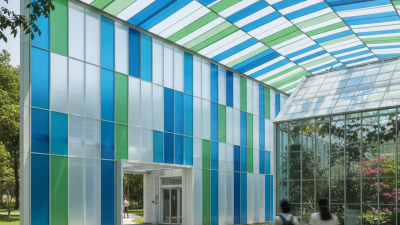
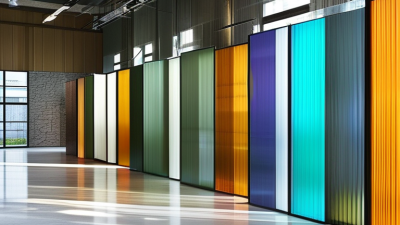
Global buyers often compare seven leading solid polycarbonate sheet options by use, climate, and processing needs. Clear sheets suit safety glazing, partitions, and machine guards because they transmit daylight and resist impact. UV-protected sheets perform better outdoors, especially under intense sunlight and seasonal temperature changes. Tinted sheets reduce glare and solar heat around windows, walkways, and greenhouse areas. They look practical.

Textured sheets can soften visibility while preserving impact resistance. They work well for privacy screens and interior partitions. Abrasion-resistant sheets help in busy public areas where cleaning tools may scratch ordinary surfaces. Fire-rated grades support projects requiring documented flame-performance data. Anti-static grades can reduce dust attraction near sensitive equipment, although their performance depends on humidity and grounding practices.

During specification checks, I examine thickness, surface coating, light transmission, impact data, and available test reports. A 3 mm sheet may suit a protected panel, while exposed guards often need greater thickness. One overlooked detail is thermal movement. Long sheets need suitable holes, fasteners, and edge clearance. Clear material is not always the best choice; glare can become uncomfortable in direct sun. I once favored maximum transparency, but field conditions changed that decision. Buyers should also confirm metric dimensions, packaging strength, cutting tolerance, and regional compliance documents before ordering. Polycarbonate can perform reliably, but installation errors still create avoidable failures.

7 Best Solid Polycarbonate Sheets for Global Buyers? - Seven Leading Solid Polycarbonate Sheet Options for Global Buyers
Option Sheet Type Typical Thickness Range Typical Light Transmission Key Performance Features Common Applications Recommended Buyer Priority
1. Clear General-Purpose Sheet Transparent solid polycarbonate with a smooth surface 1.5–12 mm Approximately 86%–90% for clear sheets, depending on thickness High impact resistance, low density of approximately 1.20 g/cm³, easy fabrication, and good daylight transmission Machine guards, protective screens, interior glazing, partitions, and general fabrication Best overall choice for visibility and general-purpose protection
2. UV-Protected Clear Sheet Clear sheet with a co-extruded or coated UV-resistant surface layer 2–12 mm Approximately 80%–89%, depending on thickness and UV formulation Improved resistance to outdoor weathering and yellowing; maintains transparency better than standard indoor-grade sheet Canopies, glazing, bus shelters, outdoor partitions, and architectural protection Best for long-term outdoor exposure and natural-light transmission
3. Tinted Solar-Control Sheet Bronze, grey, green, or other tinted solid polycarbonate 2–10 mm Typically 20%–70%, depending on tint and thickness Reduces glare and solar heat gain compared with clear sheet; retains high impact resistance Skylights, façades, conservatories, privacy screens, and sun-exposed glazing Best where glare reduction, solar control, and privacy are important
4. Opal or Diffusing Sheet Translucent white or light-diffusing solid polycarbonate 2–10 mm Typically 30%–75%, depending on opacity and thickness Distributes light more evenly, conceals shadows, and reduces direct glare while remaining impact resistant Light boxes, illuminated signs, interior ceilings, privacy panels, and daylighting systems Best for uniform illumination and visual privacy
5. Embossed or Textured Sheet Solid polycarbonate with a patterned, textured, or matte surface 2–8 mm Typically 40%–85%, depending on the surface pattern Improved privacy, reduced visible scratches, lower glare, and enhanced surface appearance Room dividers, shower screens, privacy glazing, decorative panels, and light diffusers Best for decorative projects and applications requiring privacy
6. Flame-Retardant Grade Sheet Solid polycarbonate formulated or tested for improved fire performance 1–12 mm Approximately 50%–89%, depending on color, thickness, and formulation May achieve specific flammability classifications such as UL 94 V-0 or V-2 when tested at the stated thickness; certification must be verified for each grade Electrical enclosures, transport interiors, public buildings, equipment guards, and industrial panels Best when project specifications require documented fire performance
7. Abrasion-Resistant Hard-Coated Sheet Solid polycarbonate with a hard coating on one or both surfaces 2–8 mm Approximately 80%–90% for clear grades Higher resistance to abrasion, cleaning chemicals, and surface scratching than uncoated polycarbonate; retains polycarbonate impact performance Public glazing, machine windows, transport windows, security screens, and high-cleaning environments Best for demanding surfaces exposed to frequent cleaning or contact
Note: The values shown are typical industry ranges for solid polycarbonate sheet and can vary by resin grade, thickness, color, coating, manufacturing process, and applicable test standard. Buyers should request the latest technical data sheet and certification for the intended application.

How Prices, Certifications, and Regional Standards Affect Selection

7 Best Solid Polycarbonate Sheets for Global Buyers?

Choosing solid polycarbonate sheets requires more than comparing thickness and appearance. Clear UV-coated sheets suit skylights and protective glazing. Bronze or grey sheets reduce glare in sunny regions. Opal sheets soften strong daylight. Textured sheets can improve privacy. Abrasion-resistant sheets support busy public areas. Fire-rated sheets may suit regulated interiors. Anti-static grades help reduce dust attraction in sensitive facilities. These seven profiles are useful starting points, not universal answers.

Prices change with resin quality, thickness, surface treatment, order volume, and freight distance. A low quotation may exclude edge finishing, protective film, testing, or customs handling. Certifications also affect value. European projects may request EN 13501-1 fire classification. North American buyers often review ASTM test results. Australian projects may require local glazing or weathering evidence. ISO reports can support quality control, but they do not automatically replace regional approvals. Requirements differ by application and authority.

Tips: Ask for the exact test report, not only a certificate number. Confirm UV exposure, impact performance, color stability, and dimensional tolerance. Compare delivered cost per square meter. Check whether the document matches the purchased thickness and grade. I have found that “certified” can be too vague. It deserves a second look. Some buyers also overlook temperature movement, especially beside dark metal frames. A small design error can become a visible installation problem.

What Should Buyers Check Before Ordering Polycarbonate Sheets?

Before ordering polycarbonate sheets, buyers should verify the application, not only the thickness. Roofing, machine guards, partitions, and greenhouse panels need different performance profiles. Grand View Research estimated the global polycarbonate market at about USD 15 billion in 2023, with continued growth expected through 2030. That growth increases supplier choices, but also creates inconsistent specifications. Request technical data for impact strength, light transmission, thermal expansion, and service temperature. A 6 mm sheet is not automatically safer than a well-designed 4 mm panel.

UV protection requires careful checking. Ask whether the protective layer is co-extruded or simply coated. Request accelerated-weathering results under ISO 4892-3 or an equivalent method. Also confirm whether the stated light-transmission value applies to a new sheet or an aged sample. Small details matter. For outdoor use, check yellowing data, warranty conditions, drainage design, and recommended fastener spacing. Industry testing is useful, but installation errors can still cause cracking. I have seen buyers focus on sheet price and overlook freight damage, protective-film removal, and expansion gaps. That decision often becomes expensive.

Tips: Compare at least three technical datasheets. Confirm actual dimensions and tolerances. Ask for batch-based test reports, not marketing claims. Inspect edges for whitening, waves, or scratches upon delivery. Recheck fire classification for the destination project, because local requirements may differ. A low price can still be costly.

7 Solid Polycarbonate Sheet Thickness Profiles for Global Buyers

This chart compares common solid polycarbonate sheet thicknesses by approximate mass per square metre. Calculations use a typical polycarbonate density of 1.20 g/cm³, so actual values may vary slightly by formulation and manufacturing tolerance.

When ordering, buyers should verify thickness tolerance, sheet dimensions, UV protection, light transmission, impact performance, fire rating, operating temperature, certification requirements, and packaging for international transport.