What Are Polycarbonate Plastic Sheets?

Polycarbonate plastic sheets are rigid thermoplastic panels valued for combining high impact resistance with clear, glass-like visibility. They appear in machine guards, greenhouse glazing, signs, skylights, and protective screens. Some grades are transparent; others are tinted, textured, or opaque. The right sheet depends on the job.

Polymer scientist and author George Wypych’s materials-focused work suggests a useful principle, paraphrased here: “A plastic’s performance depends on its chemistry and conditions of use.” This is not a direct quotation. In practice, thickness, surface treatment, temperature, and exposure to sunlight can all affect performance. A clear panel may transmit light well, yet scratch more easily than expected. UV-protected grades can help limit weathering, but the protection and installation details matter.

Look closely at the specifications. Check thickness, light transmission, temperature range, and chemical compatibility before choosing a sheet. Also consider whether the panel must be bent, drilled, or cut; fabrication can change its behavior. Polycarbonate is often lighter and more impact-resistant than glass, but it is not automatically the best choice for every setting. Small differences matter.

There is a useful caution here. Product labels can make similar sheets sound interchangeable, though coatings and grades may differ. Ask for a technical data sheet, and confirm that its test conditions match your intended use. A sample can help reveal clarity, surface feel, and color in actual light. The details deserve a second look. Polycarbonate plastic sheets are versatile, but a careful selection starts with the application—not a broad claim about the material.
What Are Polycarbonate Plastic Sheets?

Definition and Composition of Polycarbonate Plastic Sheets

Polycarbonate plastic sheets are flat panels made from a thermoplastic polymer containing repeating carbonate groups. Many common grades use bisphenol A as a building block, linking molecular units into long chains. The carbonate linkages help give the material its toughness and clarity. In a cut edge, the sheet may look glass-like, yet it can flex under impact rather than shatter like ordinary glass.

That does not make every sheet unbreakable. Thickness, temperature, support, and surface treatment all affect performance.

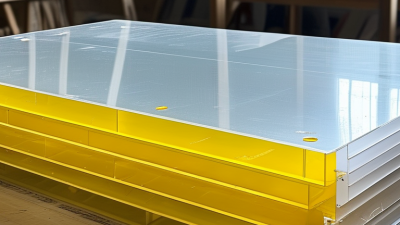
Manufacturers form sheets by melting polycarbonate resin and pushing it through a flat die, or by casting it between polished surfaces. The resulting panel can be solid or multiwall, with hollow channels visible at the cut edge. Those channels reduce weight and can help limit heat transfer, but they also collect dust if left open.

A 2023 market assessment by Grand View Research estimated the global polycarbonate market at about $20.4 billion in 2022, reflecting demand across construction, electronics, and transport. Market value is not a measure of sheet quality, though.

For a real project, check the product’s technical data sheet for thickness, light transmission, impact performance, and operating-temperature range. Small details matter. Even a clear sheet can yellow or scratch over time, and appearance alone is a poor guide to durability.

Structure and Common Sheet Types

Polycarbonate sheets are made from an amorphous thermoplastic whose molecular chains contain carbonate groups and rigid aromatic rings. This structure helps the material resist impact while allowing light to pass through. It is not unbreakable, though: scratches, heat, and chemical exposure can affect performance. Sheet properties also vary by grade and thickness.

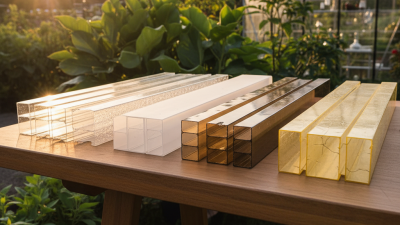
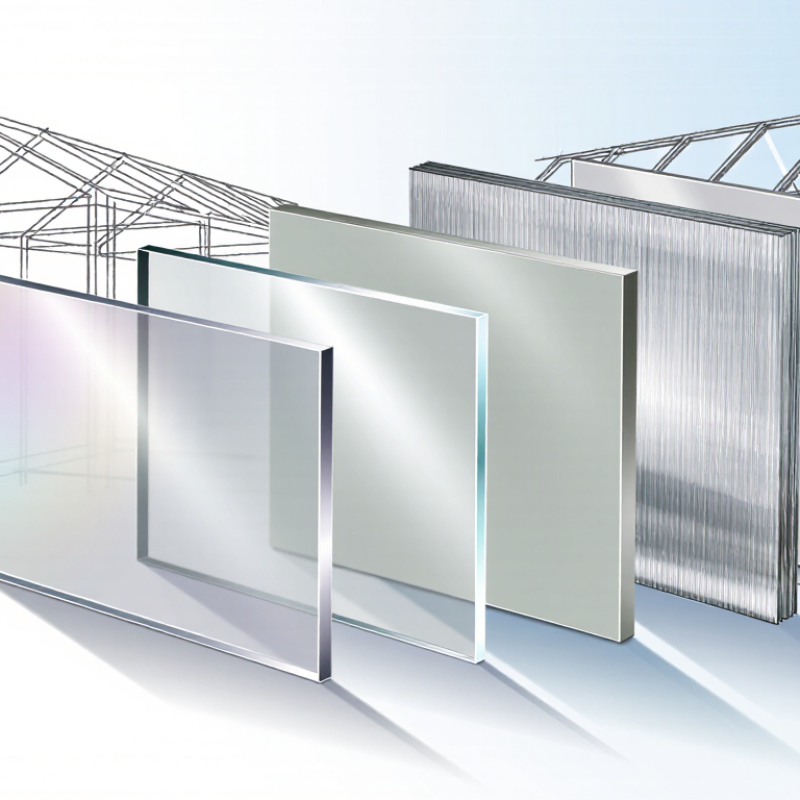
Common types include solid, multiwall, corrugated, and textured sheets. Solid sheets resemble clear glazing and suit applications needing a flat, see-through surface. Multiwall sheets have hollow channels between thin layers; these reduce weight and can trap air for added insulation. Corrugated sheets use a ridged profile for stiffness, while textured sheets diffuse light and disguise minor marks. PlasticsEurope’s Plastics – the Fast Facts 2023 reports global plastics production of 400.3 million tonnes in 2022. That figure covers all plastics, not polycarbonate specifically, but it shows the scale of the materials sector.

Tips: Match the sheet structure to the job. Check the manufacturer’s technical data for thickness, light transmission, and temperature limits before cutting. A clear panel may still scratch more easily than expected, so handling matters. Small detail, big difference.

What Are Polycarbonate Plastic Sheets?

Polycarbonate sheets are lightweight, impact-resistant thermoplastic panels. Their structure and thickness vary by sheet type, which affects insulation, rigidity, weight, and light transmission.

The chart shows representative nominal thicknesses commonly manufactured for each sheet type. Solid sheets are single-layer panels, while multiwall sheets use internal ribs or webs to create multiple chambers. Corrugated sheets are profiled single panels designed for lightweight roofing and cladding.

Key Physical and Mechanical Properties

What Are Polycarbonate Plastic Sheets?

Key Physical and Mechanical Properties

Polycarbonate plastic sheets are lightweight engineering panels with high impact resistance and optical clarity. Their density is typically about 1.20 g/cm³, according to engineering data aligned with ISO 1183. That makes them lighter than glass, yet surprisingly tough. Very tough.

Typical tensile strength ranges from 55 to 75 MPa under ISO 527 testing. The elastic modulus is commonly near 2.3 GPa. These figures indicate useful stiffness, but sheet thickness and temperature can change performance significantly. ASTM D256 impact results often exceed 600 J/m for standard grades. However, impact data should not be treated as a direct prediction for every outdoor installation.

Polycarbonate also tolerates short-term temperatures near 120°C, while its Vicat softening temperature is often around 145°C. It absorbs more moisture than some common plastics, which may influence dimensions and mechanical strength. Clear grades can transmit roughly 85% to 90% of visible light, based on standard optical testing. Surface hardness remains a limitation. Scratches can appear without protective treatment. UV exposure may also cause yellowing unless the sheet includes suitable weather-resistant protection. A careless comparison with glass can therefore mislead: polycarbonate is tougher, but not automatically better for every application. Testing the actual thickness, support spacing, and environment remains essential.

Manufacturing Processes and Surface Treatments

What Are Polycarbonate Plastic Sheets?

Polycarbonate sheets are tough, transparent panels made from a thermoplastic polymer. They resist impact, handle moderate heat, and remain much lighter than glass. Manufacturers produce them by melting resin pellets and pushing the material through a flat die. Rollers then control thickness and improve surface uniformity. Cooling must be carefully managed. Uneven cooling can create internal stress, waviness, or slight optical distortion.

Surface treatments determine how the sheet performs in real conditions. A hard coating can reduce scratching during handling, cleaning, and installation. Ultraviolet-resistant layers help limit yellowing and embrittlement under prolonged sunlight. Some sheets receive an anti-condensation treatment, which spreads water into a thin film instead of visible droplets. Textured surfaces can diffuse light and hide minor marks. They may also reduce transparency, though.

Fabricators should match the treatment to the application, not just the appearance. A coated panel may need softer cleaning tools and approved detergents. Abrasive powders can damage the surface quickly. Poor cutting technique can also leave melted edges or stress cracks near drilled holes. The material is forgiving, but not careless. Testing a small sample first remains sensible, because actual exposure, cleaning routines, and installation pressure can change performance. Surface treatments also wear over time, and their service life is often overestimated.

What Are Polycarbonate Plastic Sheets? - Manufacturing Processes and Surface Treatments

Category Process or treatment How it works Typical result Key considerations
Sheet manufacturing Flat-sheet extrusion Polycarbonate resin is melted, pushed through a flat die, and cooled between rolls before being trimmed and cut. Produces solid sheets in a range of thicknesses, finishes, and colors. Thickness, flatness, and optical quality depend on process control and the intended grade.
Sheet manufacturing Multiwall profile extrusion A shaped die forms connected walls and internal ribs as the molten material is extruded. Creates lightweight panels with hollow channels that can provide insulation and stiffness relative to their weight. Channel design, sheet thickness, and support spacing affect performance; open channels need suitable end closures in many installations.
Sheet manufacturing Co-extrusion Two or more compatible melt streams are combined through a die to form layers within one sheet. Can integrate a functional outer layer, such as a UV-protective layer, with a structural polycarbonate core. Layer placement and orientation matter; follow the product specification when installing UV-protected sheets.
Secondary forming Thermoforming A sheet is heated until formable, shaped over or into a mold, then cooled. Makes curved or formed components from flat sheet stock. Forming can alter thickness and surface appearance. Drying and temperature control may be needed to limit defects from moisture or overheating.
Secondary processing Cutting and machining Sheets are cut, drilled, or routed with suitable tools and controlled feed rates. Allows sheets to be sized and prepared for fabrication or installation. Use clean tools and avoid excessive heat or stress; retain protective film where appropriate and remove chips from drilled holes.
Surface treatment Hard coating A thin, transparent coating is applied and cured on the sheet surface. Improves resistance to surface abrasion and can make cleaning easier, depending on the coating. A coating improves scratch resistance but does not make the sheet scratch-proof; use compatible cleaners and handling methods.
Surface treatment UV-protective layer A UV-absorbing layer may be co-extruded onto one or both faces, or applied as a coating. Helps reduce UV-related weathering and yellowing on the protected face. Protection depends on the product construction; install the designated protected face toward the exposure when specified.
Surface treatment Anti-fog treatment A hydrophilic coating or surface treatment encourages condensed water to spread into a thin film instead of discrete droplets. Can improve visibility in humid or temperature-changing environments. Effectiveness and service life vary; abrasive cleaning can damage treated surfaces.
Surface treatment Corona or plasma treatment Electrical discharge or ionized gas modifies the surface to increase its surface energy before printing, bonding, or coating. Can improve wetting and adhesion for selected inks, adhesives, or coatings. Treatment effects can diminish over time; confirm surface preparation and compatibility with the material supplier.
Surface finishing Printing, painting, or lamination Compatible inks, paints, or films are applied to add graphics, color, privacy, or other functional layers. Provides decorative or functional surface features beyond the base sheet. Solvent and adhesive compatibility should be tested; some chemicals can cause crazing or stress cracking in polycarbonate.

Note: Available constructions and treatment performance vary by sheet grade, thickness, and manufacturer specification.

Common Applications Across Industries

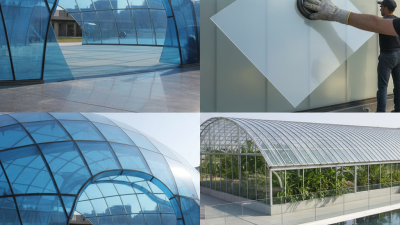
Polycarbonate plastic sheets serve very different needs across construction, agriculture, transport, and manufacturing. Their low weight, impact resistance, and light transmission make them useful for skylights, entrance canopies, greenhouse walls, and protective machine guards. In greenhouses, clear sheets admit daylight while helping shield crops from wind and hail. Multiwall panels can also trap air between layers. Details matter: poor sealing can still lead to leaks and condensation.

In buildings, sheets are often selected for daylighting rather than as a complete substitute for glass. The U.S. Department of Energy reports that windows account for about 25–30% of residential heating and cooling energy use. That figure describes windows overall, not polycarbonate performance. The United Nations Environment Programme and Global Alliance for Buildings and Construction reported that buildings and construction produced 37% of global energy- and process-related carbon dioxide emissions in 2021. These figures underline why panel thickness, framing, shading, and installation deserve attention.

Transport applications include interior partitions, roof panels, and selected glazing; electrical manufacturers use sheets for covers and enclosures. Their toughness is useful. Yet surfaces can scratch, and panels expand with heat. That is easy to overlook. A real specification should consider UV exposure, fire performance, cleaning chemicals, and the conditions of use—not just the sheet’s advertised strength.