What Is Clear Plastic Made Of?
I can write the introduction, but no source articles were included. Please provide an article or a verifiable expert quotation so I can avoid attributing invented words to a real person.
What Clear Plastic Is and How It Is Defined
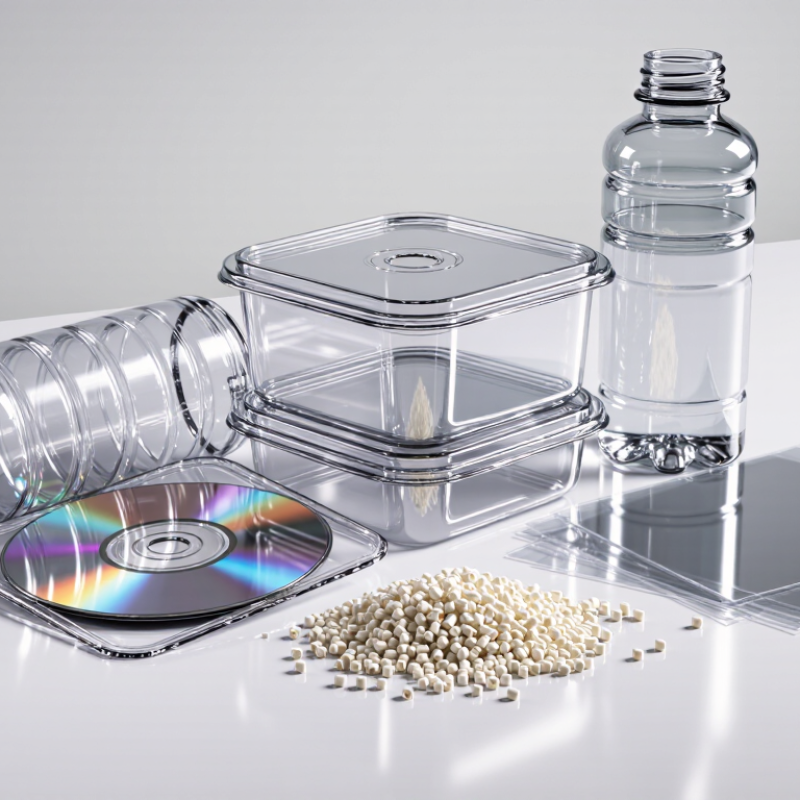
Clear plastic is not one chemical or a single polymer. The term describes plastic that lets light pass through with enough clarity to see objects on the other side. Its appearance depends on the resin, additives, thickness, surface finish, and manufacturing process. Common clear materials include PET, polycarbonate, acrylic, and some grades of polypropylene. Even the same polymer can look transparent, cloudy, or opaque.
Clarity is measurable, not just a visual impression. ISO 13468-1 specifies a method for measuring the total luminous transmittance of transparent plastics. ASTM D1003 addresses light transmission and haze, which helps distinguish a sharp view from one blurred by scattered light. PlasticsEurope’s 2023 report, Plastics – the Fast Facts, estimates global plastics production at 400.3 million tonnes in 2022. That figure covers all plastics, not clear grades alone—a distinction worth keeping in mind. A clear sample may still show scratches, tint, or distortion.
Tips: Check the material specification for light transmission and haze values. Compare samples at the same thickness and under the same lighting. Look closely. A glossy surface can seem clear while fine haze softens details.
The Polymers Commonly Used to Make Clear Plastic
Clear plastic is made from polymers whose molecular structure allows visible light to pass through with limited scattering. The word “clear” describes an optical result, not one specific material. Processing, thickness, and additives can all affect whether a sheet looks glassy, cloudy, or slightly tinted. Even a small change in cooling can alter its appearance.
Acrylic, or PMMA, is valued for its high light transmission and glass-like finish. It is relatively light and resists weathering, but it can crack under a sharp impact. Polycarbonate is another common choice. It is tough and handles heat well, though its surface can scratch more easily than acrylic. The difference matters. Protective coatings may help, but they can also change how a surface feels or reflects light.
PET is widely used in clear packaging because it is lightweight and can provide a useful barrier against moisture and gases. General-purpose polystyrene makes rigid, transparent items, but it is more brittle. Some PVC formulations can also be clear, with flexibility depending on the formulation. No polymer is best for every job. A display cover, drink container, and impact shield have different needs, so clarity should be considered alongside strength, temperature, and expected use. Manufacturers’ material specifications are worth checking; appearance alone can be misleading.
What Is Clear Plastic Made Of? Common Polymers Compared
Typical visible-light transmittance of selected clear plastics
Clear plastics are made from different polymers, including PMMA (acrylic), polycarbonate, PET, polystyrene, and rigid PVC. The bars show representative values within typical transmittance ranges for clear, uncolored grades. Actual transparency varies with thickness, additives, surface finish, and manufacturing.
How Plastic Ingredients Are Processed into Clear Materials
What Is Clear Plastic Made Of?
How Plastic Ingredients Are Processed into Clear Materials
Clear plastic starts with polymer resin, not one universal recipe. Common transparent materials include PET, polycarbonate, polystyrene, and acrylic. Their molecules and processing behavior differ. In many clear products, the base resin is blended with small amounts of stabilizers, colorants, or impact modifiers. Too much additive, or the wrong type, can make the finished sheet look hazy. Small details matter. Resin pellets may also need drying; moisture can create bubbles or surface defects during melting.
Processors heat the resin until it flows, then shape it by extrusion, injection molding, or casting. Melt filters catch particles, while polished tooling helps create a smooth surface. Cooling must be controlled: uneven shrinkage can cause stress, distortion, or cloudy patches. Some materials are stretched or oriented to improve strength, but that step needs careful control. That sounds neat; real production is less tidy. PlasticsEurope’s Plastics – the Fast Facts 2023 reports 400.3 million tonnes of plastics produced worldwide in 2022. That figure covers all plastics, not clear grades alone, but it shows the scale of resin processing behind everyday materials. Transparency depends on both ingredients and process settings. A clear-looking pellet does not guarantee a clear finished part.
| Clear Plastic Type | Main Polymer Ingredient | Why It Can Look Clear | Common Processing Methods | Typical Uses | Important Considerations |
|---|---|---|---|---|---|
| Polycarbonate (PC) | Polycarbonate resin, commonly produced from carbonate-forming feedstocks and an aromatic diol. | Its largely amorphous structure has little crystalline material to scatter visible light. | Pellets are melted and shaped by injection molding, extrusion, or thermoforming. | Protective glazing, machine guards, and reusable transparent components. | Can be impact-resistant, but may scratch and can require protection from ultraviolet exposure depending on the application. |
| Acrylic (PMMA) | Polymethyl methacrylate, made by polymerizing methyl methacrylate monomer. | Its amorphous polymer structure allows light to pass through with low scattering when the material is well processed. | Made into sheet or molded parts by casting, extrusion, or injection molding. | Signs, display panels, light covers, and transparent barriers. | Often offers good optical clarity and weatherability, but generally has lower impact resistance than polycarbonate. |
| Clear PET | Polyethylene terephthalate, a polyester made from terephthalic-acid-based and ethylene-glycol-based components. | Rapid cooling during shaping can limit crystal growth and help preserve transparency. | Extruded into sheet or formed into containers; bottle production commonly uses injection stretch blow molding. | Beverage containers, food packaging, and clear packaging sheet. | Slow cooling or unsuitable processing can increase crystallinity and make the material hazy or opaque. |
| General-purpose polystyrene (GPPS) | Polystyrene made by polymerizing styrene monomer. | GPPS is typically amorphous, so it can be transparent when free from bubbles and other defects. | Commonly shaped by injection molding, extrusion, or thermoforming. | Disposable clear items, packaging, laboratory containers, and display parts. | Usually more brittle than impact-modified polystyrene; impact modifiers can change clarity. |
| Clear PVC | Polyvinyl chloride resin, made by polymerizing vinyl chloride monomer. | Unplasticized PVC is largely amorphous; suitable formulation and processing can produce transparent parts. | Compounded with appropriate stabilizers and, where needed, plasticizers, then extruded, calendered, or molded. | Flexible clear tubing, transparent sheet, and selected packaging applications. | Additives and processing conditions affect flexibility, clarity, heat behavior, and suitability for the intended use. |
| Clear plastic ingredients and processing | Polymer resin is the primary ingredient. Formulations may also include stabilizers, colorants, plasticizers, processing aids, or impact modifiers. | Clarity depends on the polymer structure, additive compatibility, and the amount of light-scattering features such as crystals, bubbles, or inclusions. | Resin is compounded or blended as needed, heated until workable, shaped, cooled, and inspected for optical defects. | Used across packaging, construction, consumer products, and industrial components. | There is no single recipe for clear plastic: the polymer, additives, and processing conditions are selected for the required performance and use. |
Additives That Affect Plastic Clarity and Performance
Clear plastic is usually made from transparent polymers such as acrylic, polycarbonate, or PET. The resin provides the basic structure, but additives help it withstand sunlight, heat, impact, and processing. They can also change how light passes through the finished part. Clarity is not automatic.
UV stabilizers slow yellowing and brittleness in sunlight, especially in outdoor panels. Antioxidants help protect the polymer during heating and repeated processing. These ingredients are often used in small amounts, yet poor compatibility or uneven mixing can create haze or tint. Small amounts matter. Impact modifiers can make a clear sheet less likely to crack when struck, but some formulations soften its appearance. That trade-off deserves attention.
Processing aids help molten plastic flow through equipment and fill a mold consistently. For polypropylene, clarifying additives can encourage a finer crystal structure, reducing cloudiness. Their performance depends on the resin, cooling conditions, and additive concentration. A sample that looks clear in a thin test strip may appear hazy when molded thicker. Appearance alone can mislead. For a display cover or protective window, check clarity under the actual lighting and thickness, then test impact and heat exposure. I would not assume one additive package suits every application; the best balance often requires testing.
How Composition Shapes the Uses of Clear Plastic
Clear plastic is not one material. Its resin and additives determine whether it suits a bottle, safety shield, or greenhouse panel. PlasticsEurope’s Plastics—the Fast Facts 2024 report estimates that global plastics production reached 413.8 million tonnes in 2023. That figure covers many polymer types, not only transparent products.
The distinction matters.
Polyethylene terephthalate, or PET, is light and often used for drink bottles because it can be formed into clear, sturdy containers. Polycarbonate offers greater impact resistance, making it useful for protective glazing. Acrylic sheets can provide crisp visibility, though they may crack under a sharp blow.
Small changes count.
Plasticizers can make PVC flexible, while pigments, UV stabilizers, and surface treatments can affect clarity and durability. Thickness matters too: a clear panel may look slightly hazy at its edge. Manufacturers balance visibility with strength, weight, processing needs, and expected exposure. A material that works indoors may yellow or weaken outdoors.
That trade-off is easy to overlook. Clear does not automatically mean suitable for every job.
Related Posts
-
2025 Top 10 Clear Plastic Innovations Transforming Everyday Life
-

Why is Clear Plastic the Best Choice for Your Next Project
-

2026 How to Use Transparent Plastic Sheets in Your Projects?
-

Top Uses of Transparent Sheet in Home and Office Applications?
-
Why Choose Clear Sheets for Global Sourcing?
-
What Are the Top China Clear Sheets for Global Buyers?