What Are the Top China Clear Sheets for Global Buyers?

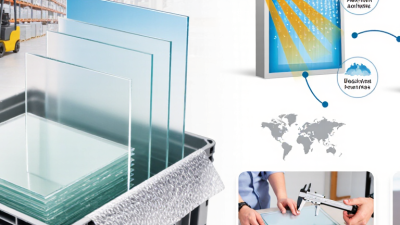
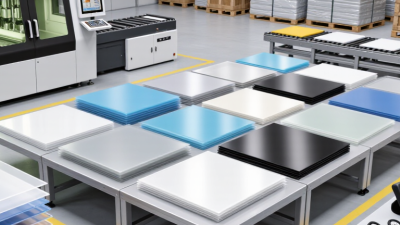
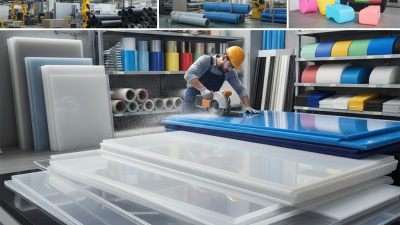
Choosing the top China clear sheets for global buyers requires more than comparing online prices. Clear sheets may include PET, PVC, acrylic, polycarbonate, and other engineered materials. Each option offers different levels of transparency, flexibility, impact resistance, and chemical stability.

In practical sourcing, a clear sample often reveals more than a product catalog. Buyers should inspect haze, surface scratches, thickness variation, edge quality, and protective-film performance. A 1-millimeter sheet can feel entirely different from another listed at the same thickness. That detail matters.

Supplier evaluation should include factory experience, production capacity, inspection procedures, and export history. Ask for technical data, batch samples, tolerances, and relevant test reports. Confirm whether the supplier can meet standards required in your destination market. Certifications should be checked carefully, not accepted as decorative website badges.

Application also shapes the right choice. Packaging may prioritize clarity and formability, while machine guards need stronger impact resistance. Outdoor projects require attention to ultraviolet exposure, temperature changes, and long-term yellowing. A low quotation may become expensive after rejected shipments, customs delays, or inconsistent batches.

No single sheet suits every buyer. That is the uncomfortable part. Some specifications remain unclear until real samples face cutting, bending, printing, or installation. Responsible buyers should compare suppliers through documented tests and small trial orders. This approach reduces risk and builds a more reliable path from Chinese production to global delivery.
What Are the Top China Clear Sheets for Global Buyers?

What Are China Clear Sheets and How Are They Classified?

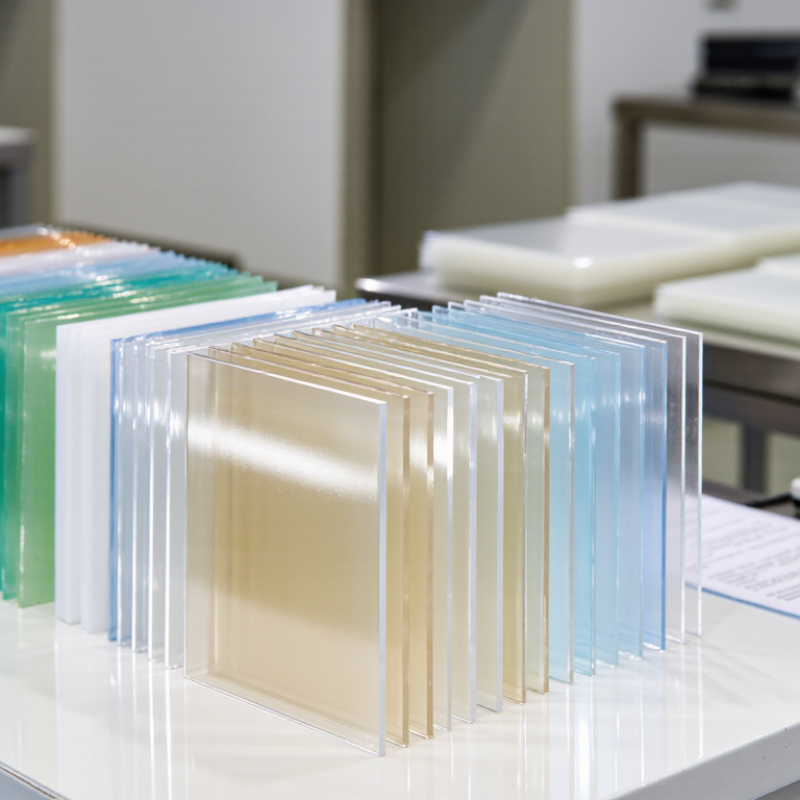
China clear sheets are transparent or translucent flat panels used for protection, fabrication, glazing, displays, and industrial covers. They are commonly made from acrylic, polycarbonate, PETG, PVC, or resin blends. Each material reacts differently to impact, heat, chemicals, and outdoor exposure. Acrylic offers strong light transmission and a polished appearance. Polycarbonate is tougher, but it can scratch easily without a hard coating. PETG bends readily and suits formed guards or packaging components. Not every clear sheet is truly clear.

For global buyers, classification should begin with material, not appearance. Thickness is another key category, measured in millimeters from flexible film to rigid panels. Surface options include smooth, embossed, frosted, UV-treated, anti-static, and hard-coated finishes. Manufacturers may also classify sheets by casting, extrusion, or thermoforming suitability. Cast acrylic often supports cleaner edges and easier polishing. Extruded sheets usually provide consistent thickness for volume production. Ask for tolerance data, light-transmission results, impact information, and sample cuts. A sample can reveal haze, edge stress, or flow marks hidden in photographs.

Reliable evaluation should include packaging and storage conditions. Protective film must remain intact, while corners need rigid separators and dry wrapping. In sourcing work, buyers sometimes confuse thickness tolerance with flatness. A 3 mm panel may meet thickness requirements yet bow after transport. That distinction deserves attention. I would also verify the test method, because “clear” has no single universal meaning. Some sheets look bright under showroom lights but transmit less light through tint or texture. Specifications should match the final use, cutting method, climate, and expected service life.

What Are the Top China Clear Sheets for Global Buyers?

China clear sheets are commonly classified by their polymer base, including acrylic, polycarbonate, PETG, rigid PVC, and polypropylene. The chart compares representative visible-light transmission values for clear sheet grades used in glazing, fabrication, packaging, and protective applications.

How to read the chart: Higher visible-light transmission indicates greater optical clarity. Actual performance varies with sheet thickness, surface finish, additives, color, and manufacturing grade. Acrylic generally provides the highest clarity, while polycarbonate is selected when impact resistance is more important than maximum transparency.

Which Materials and Grades Suit Different Global Applications?

For global buyers, clear sheet selection begins with application conditions, not appearance alone. Acrylic offers high transparency, low weight, and good outdoor stability. Cast acrylic suits display panels, machine guards, and architectural glazing details. Extruded acrylic supports tighter thickness control and efficient volume production. However, it may show more forming stress during demanding fabrication work. Not always.

Polycarbonate is the stronger choice for impact-prone covers, safety screens, and transport interiors. Optical grades provide cleaner viewing, while general-purpose grades suit protective panels with less demanding appearance requirements. UV-stabilized grades matter during long outdoor exposure. Flame-retardant grades may fit electrical enclosures, but buyers should verify the required test standard and thickness. PETG bends easily and works well for formed trays, retail protection, and indoor equipment covers. PVC clear sheets can serve partitions and sleeves, but chemical compatibility requires careful review. Food-contact, medical, and electrical uses need documented compliance.

A dependable purchase specification should state resin type, grade, thickness tolerance, haze, light transmission, impact data, surface treatment, and packing method. Ask for recent test reports, sample approval, and batch traceability. Independent testing is wise when a sheet protects people or expensive equipment. One common mistake is choosing maximum transparency while ignoring cleaning chemicals, heat, or edge machining. Test before scaling. A slightly less clear sheet may perform better after repeated washing, outdoor exposure, or drilling. Review the real operating environment with the converter before placing a large order.

What Are the Top China Clear Sheets for Global Buyers? - Which Materials and Grades Suit Different Global Applications?
A practical comparison of commonly manufactured clear sheet materials, typical grades, performance ranges, and application suitability for international purchasing.
Material Typical Clear-Sheet Grades Typical Light Transmission Typical Density Continuous Use Temperature Key Strengths Limitations Best-Fit Global Applications Useful Compliance or Test References
PMMA
(Acrylic)
General-purpose extruded Cast grade UV-resistant Optical grade Approximately 91–93% for colorless sheet, depending on thickness and surface finish. Approximately 1.17–1.20 g/cm³. Approximately 70–90°C, depending on grade and load. Excellent optical clarity, strong outdoor weatherability, good surface gloss, low moisture absorption, and easy machining. More brittle than polycarbonate; lower impact resistance; can craze when exposed to incompatible solvents. Retail displays, signage, lighting diffusers, machine guards, architectural glazing, aquariums, lenses, and transparent covers. ASTM D1003 or ISO 13468 for luminous transmission; ASTM D256 or ISO 179 for impact testing; UV and weathering tests should be specified separately.
Polycarbonate
(PC)
General-purpose solid sheet UV-coated Flame-retardant Optical grade Approximately 86–90% for clear solid sheet, depending on thickness and coating. Approximately 1.18–1.22 g/cm³. Approximately 100–115°C for many standard grades. Very high impact resistance, good dimensional stability, broad service-temperature range, and lower weight than glass for comparable thickness. More susceptible to surface scratching and chemical attack than glass; outdoor use generally requires a UV-protective layer. Safety glazing, protective shields, industrial windows, transportation components, sports facilities, security barriers, and transparent machine enclosures. ASTM D1003 or ISO 13468 for clarity; ASTM D256 or ISO 180 for impact; UL 94 may be relevant for flame-retardant grades; verify regional glazing requirements.
PETG Standard clear extrusion Display grade Food-contact grade Forming grade Approximately 88–91% for clear sheet, depending on thickness and processing. Approximately 1.27–1.33 g/cm³. Approximately 60–70°C for continuous service; forming temperature is substantially higher. Good clarity, high impact resistance compared with acrylic, easy thermoforming, good printability, and relatively low forming temperature. Lower heat resistance than PC and PMMA; outdoor weatherability depends strongly on stabilization; may be sensitive to certain chemicals. Point-of-sale displays, packaging prototypes, guards, medical and laboratory covers, formed trays, and indoor equipment housings. ASTM D1003 or ISO 13468 for transmission; food-contact suitability must be supported by the applicable destination-market regulation and supplier declaration.
PVC
(Rigid Clear)
Rigid transparent Impact-modified Flame-retardant Chemical-resistant Approximately 75–88%, varying significantly with formulation, thickness, and haze. Approximately 1.30–1.45 g/cm³. Approximately 55–65°C for many rigid grades. Cost-effective, good chemical resistance, self-extinguishing behavior in many formulations, and suitable for cutting and fabrication. Lower heat resistance and impact performance than PC; may become brittle at low temperatures; formulation and regulatory status must be checked carefully. Industrial partitions, chemical-process guards, document covers, packaging, indoor signage, and transparent protective barriers. ASTM D1003 for optical properties; ASTM D1784 may be used for rigid PVC compound classification; confirm plasticizer, heavy-metal, and restricted-substance requirements.
GPPS
(General-Purpose Polystyrene)
General-purpose clear High-clarity sheet Print-grade Approximately 88–92% for clear sheet, depending on thickness and surface finish. Approximately 1.04–1.06 g/cm³. Approximately 60–75°C for continuous service. Low cost, low density, good clarity, easy thermoforming, and good suitability for short-life or indoor products. Brittle and notch-sensitive; limited impact resistance, weatherability, and heat resistance compared with PMMA, PETG, and PC. Disposable packaging, indoor displays, model components, light-duty covers, stationery, and low-cost thermoformed products. ASTM D1003 or ISO 13468 for clarity; packaging applications may require destination-market food-contact and recyclability documentation.
SAN
(Styrene-Acrylonitrile)
Clear injection/extrusion grade Chemical-resistant grade Food-contact grade Approximately 85–90% for clear sheet, depending on formulation and thickness. Approximately 1.06–1.08 g/cm³. Approximately 75–85°C for continuous service. Better chemical resistance and stiffness than GPPS, with good clarity and moderate dimensional stability. Lower impact resistance than PC and PETG; outdoor durability is limited without suitable stabilization. Appliance panels, indoor containers, cosmetic packaging, covers, display components, and laboratory accessories. ASTM D1003 or ISO 13468 for light transmission; verify chemical compatibility and any food-contact requirements for the intended market.
Clear Polyester
(PET Sheet)
APET PETG-compatible packaging grades Print grade Electrical-insulation grade Approximately 85–90% for clear sheet, depending on crystallinity, thickness, and finish. Approximately 1.33–1.40 g/cm³. Approximately 70–100°C, depending on grade and long-term load. Good dimensional stability, chemical resistance, printability, and suitability for packaging and electrical applications. Some grades are less impact-resistant than PC; heat-shrinkage and forming behavior must be controlled; crystallized PET can lose transparency. Packaging, labels, graphic overlays, electrical insulation, document covers, and formed trays. ASTM D1003 or ISO 13468 for clarity; ASTM D1204 may be relevant for dimensional change; food-contact and recycling documentation should match the destination market.
Fluoropolymer
(Clear FEP or PFA Film/Sheet)
FEP clear film PFA clear sheet High-purity grade Typically approximately 90–96%, depending on resin, thickness, and surface condition. Approximately 2.10–2.20 g/cm³. Commonly approximately 150–260°C, depending on polymer and service conditions. Exceptional chemical resistance, high-purity options, low friction, non-stick behavior, and strong high-temperature performance. High material cost, lower stiffness, more difficult fabrication, and limited availability in thick transparent sheet formats. Semiconductor processing, chemical handling, laboratory equipment, high-temperature electrical insulation, and specialty fluid-contact systems. ASTM D1003 for optical properties; ASTM D3307 may be relevant for PFA; ASTM D2116 may be relevant for FEP; confirm purity and extractables requirements.

Buyer note: Values are typical indicative ranges for commonly available clear-sheet grades and are not guaranteed specifications. Final selection should be based on the supplier’s technical data sheet, thickness, surface treatment, operating environment, certification requirements, and destination-country regulations.

How Do Leading Chinese Suppliers Compare in Quality and Capacity?

For global buyers, Chinese clear-sheet suppliers differ less in promises than in repeatable performance. Quality should be checked through thickness tolerance, haze, light transmission, surface flatness, and protective-film adhesion. A reliable factory can provide recent test reports, production samples, and batch records. Ask for sheets from the middle of a production run, not only polished showroom samples. Small differences matter when panels meet under bright lighting.

Capacity is more than a large workshop. It includes stable raw-material sourcing, enough extrusion lines, skilled operators, and controlled storage. Leading suppliers usually explain monthly output by sheet thickness and size. They should also show how they manage urgent orders without changing material grades. A clear sheet may look perfect at first, yet warp after transport or crack during cutting. Packaging trials, pallet photographs, and drop-test records reveal practical discipline. Factory visits help, but one visit cannot prove every batch.

The comparison is not always comfortable. A supplier with impressive capacity may offer weaker inspection control. A smaller producer may deliver better consistency but struggle with peak-season volumes. Buyers should compare three samples, inspect edges under angled light, and measure thickness at several points. Request a pilot order before signing a long contract. Even then, expectations can be imperfect; climate, loading pressure, and storage time may alter results. Clear communication about tolerances often prevents expensive disputes.

What Standards, Certifications, and Tests Should Buyers Verify?

For global buyers, clear sheets should be judged by verified performance, not appearance alone. A clean surface can hide poor thickness control or weak UV resistance. Request the material grade, production date, batch number, and factory quality records. Check the lot. For acrylic sheets, ASTM D1003 can confirm haze and light transmission. ISO 7823 may help verify acrylic sheet requirements. Polycarbonate buyers often request impact, tensile, and heat-deflection testing under suitable ASTM or ISO methods. UV exposure can be assessed through ISO 4892 testing, while fire performance may require EN 13501-1 or another accepted regional standard. The correct method depends on resin type, thickness, and end use. Do not accept a generic certificate. Ask whether an independent laboratory issued the report. Verify its accreditation, test date, sample description, and measured values. The report should match the supplied batch, not an older sample. Request a certificate of analysis for each shipment. Paperwork can mislead. For sensitive applications, verify REACH, RoHS, or food-contact compliance only when applicable. These documents have different scopes. A product may pass one requirement and fail another. Inspect samples under angled light for scratches, bubbles, edge whitening, and waviness. Measure thickness at several points with a calibrated gauge. I would also compare the approved sample with production sheets, because color and clarity sometimes drift quietly. That weakness deserves attention.

How Can Global Buyers Evaluate Pricing, Logistics, and Supplier Risk?

Global buyers should evaluate China clear sheets beyond the quoted factory price. Material type, thickness tolerance, surface protection, and optical clarity can change the real cost. A 2 mm sheet may appear inexpensive, yet poor flatness can create cutting waste and installation delays. Request recent samples and compare them under the same lighting. Ask for test data covering dimensions, impact strength, and light transmission. Independent inspection remains useful, especially for the first shipment.

Logistics can quietly reshape the deal. Confirm packaging dimensions, pallet weight, loading capacity, and moisture protection before booking freight. Compare FOB, CIF, and delivered costs using the same destination and currency. Include customs duties, port charges, insurance, inland transport, and possible storage fees. My early freight estimates were too optimistic. Small packaging changes affected container efficiency more than expected. Build a buffer instead of trusting one quotation.

Tips: Check whether the supplier owns production equipment or mainly trades products. Review factory photos, business documents, sample consistency, and export history. Ask for a written tolerance range and a replacement process for damaged sheets. Use staged payments linked to inspection milestones. Keep communication records. A polished sample is not proof of stable production. Supplier risk often appears in slow replies, changing specifications, or pressure to skip inspection. Test one small order before committing to regular volume.