Why Choose Plexi Sheets for Your Next Project?
In today's construction and design industries, choosing the right materials can greatly impact both project quality and safety. Plexi sheets, also known as acrylic sheets, are increasingly becoming a popular choice among professionals. A recent report by MarketsandMarkets predicts that the acrylic sheets market will reach $7.3 billion by 2026, driven by their versatility and durability.
Plexi sheets possess unique properties, such as resistance to shattering and UV light. These features make them suitable for a wide range of applications, from signage to protective barriers. Additionally, their lightweight nature allows for easy handling, yet their strength often rivals that of glass. However, some professionals raise concerns about the potential for scratching and yellowing over time, which deserves consideration.
Moreover, the demand for sustainable materials is ever-growing. Plexi sheets provide an eco-friendlier alternative to glass, as they can be recycled and reused. This aligns with companies' goals to reduce their environmental footprint. While plexi sheets offer many advantages, users must weigh these against their specific project needs and challenges. Such reflections can lead to smarter choices in material selection.

Advantages of Plexi Sheets Over Traditional Materials
Plexi sheets have become popular in various projects due to their many advantages over traditional materials. One significant benefit is their lightweight nature. Unlike glass, plexi sheets are easier to handle and transport. This can reduce labor costs and risks associated with moving heavy materials.
Another advantage is their durability. Plexi sheets resist impacts better than glass, making them ideal for settings where safety is a concern. They are also UV resistant, which means they maintain clarity over time. This is crucial for applications in areas with high sunlight exposure. However, they do scratch more easily than glass. This requires careful handling to preserve their appearance.
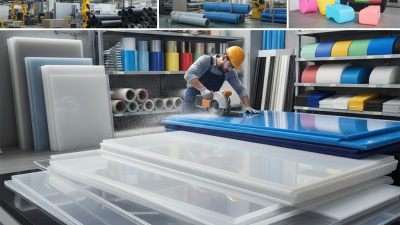
Moreover, plexi sheets offer design flexibility. They can be cut, shaped, and colored to suit specific project needs. This adaptability makes them suitable for various applications, from signage to protective barriers. Yet, their installation can sometimes be tricky. Users should ensure proper support and fitting to avoid common pitfalls.
Versatility of Plexi Sheets in Various Applications
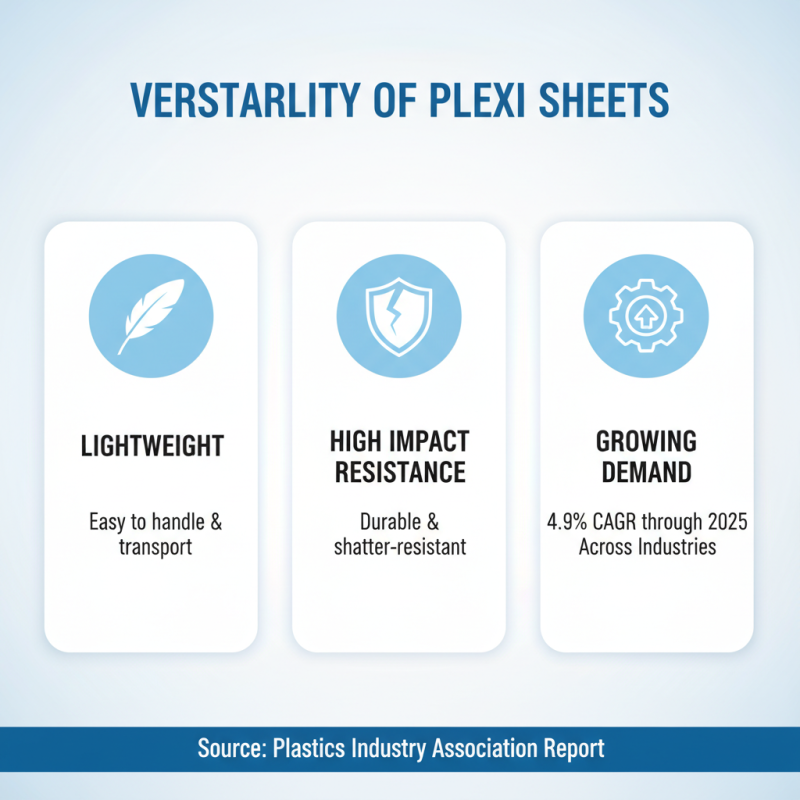
Plexi sheets have emerged as a versatile material for various applications. Their lightweight nature and high impact resistance make them suitable for different projects. According to a report by the Plastics Industry Association, the demand for acrylic sheets is expected to grow at a CAGR of 4.9% through 2025. This statistic underscores their increasing popularity across industries.
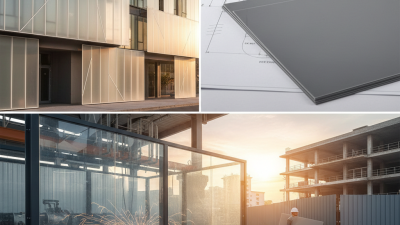
Plexi sheets are widely used in signage, displays, and protective equipment. Their clarity rivals that of glass while remaining much safer. In architecture, they are favored for their ability to transmit up to 92% of light, allowing for bright, inviting spaces. Yet, despite their advantages, some users may find them prone to scratches. Regular maintenance can mitigate this issue and enhance longevity.
**Tip:** Always clean plexi sheets with a soft cloth to prevent scratches. Avoid using harsh chemicals, as they may damage the surface. When sourcing plexi sheets, consider working with local suppliers who understand your specific needs, allowing for better customization.
Durability and Maintenance Benefits of Plexi Sheets
Plexi sheets are becoming a top choice for various projects due to their exceptional durability. According to industry reports, these sheets offer better resistance to impact and weather compared to traditional glass. For instance, Plexi can withstand forces up to ten times more than glass without breaking. This crucial feature makes it ideal for outdoor applications, especially in unpredictable climates.
Moreover, maintenance is a breeze with Plexi sheets. Their non-porous surface resists dirt and grime, reducing the need for frequent cleaning. A survey by the American Society of Plastic Surgeons indicated that 85% of users reported less time spent on maintenance compared to glass alternatives. Additionally, Plexi is UV-resistant, ensuring that it won't yellow or degrade over time like some plastics. However, users should be aware that improper cleaning can scratch the surface, requiring specific care products.
Cost-effectiveness is another significant aspect. While initial investment might be higher than glass, long-term savings emerge from lower maintenance expenses and replacement needs. A report from the Plastic Industry Association noted that projects using Plexi resulted in 30% lower long-term costs compared to glass installations. This data underscores the value of choosing Plexi for its durability and reduced upkeep, making it an excellent option for any upcoming project.
Cost-Effectiveness of Using Plexi Sheets for Projects
When considering materials for your next project, plexi sheets stand out for their cost-effectiveness. These sheets offer a unique balance between durability and affordability. In various applications, they often cost less than glass, yet provide similar clarity and strength. This makes them an attractive option for both DIY enthusiasts and professionals alike.
Plexi sheets are lightweight and easy to work with. This simplifies transportation and installation, reducing labor costs. Projects requiring custom shapes or sizes benefit greatly from using plexi. Its versatility allows for creative designs that might be difficult with other materials. However, some may overlook the importance of proper handling, which is crucial to avoid scratches or damage. Careless mistakes can lead to additional expenses in replacement or repair.
In terms of long-term savings, plexi sheets perform well in diverse environments. They resist UV rays and impacts, which may reduce future maintenance costs significantly. However, the initial choice may still raise questions about their suitability for specific applications. Evaluating your project’s needs is vital. Exploring various options and weighing the pros and cons can help guide you toward the best decision.
Aesthetic Appeal and Customization Options for Plexi Sheets
Plexi sheets have become a popular choice in various projects due to their aesthetic appeal and versatility. These transparent sheets are available in an array of colors and finishes. According to a recent report by the Plastic Industry Association, the demand for acrylic plastics, including plexi, is projected to grow by 4% annually over the next five years. This trend highlights a growing appreciation for customization in design.
Customization options for plexi sheets are extensive. People can choose various thicknesses and patterns, allowing for unique creations. Clear sheets provide a sleek look, while colored options add vibrancy. Reports show that about 65% of designers prefer customized materials that reflect their vision. This customization leads to more personal and engaging projects. However, it's essential to choose the right thickness for your needs, as some may not be durable enough for harsh conditions.
**Tip**: Always consider the environment in which the plexi will be used. Indoor applications may require different properties than outdoor uses.
Experimentation plays a crucial role in leveraging the full potential of plexi sheets. Designers often explore different shapes and cuts, which may yield unexpected results. This trial-and-error process might reveal both strengths and limitations in design. Understanding these factors can enhance your creative process.
**Tip**: Take time to test various finishes before committing to large orders. Small samples can save you from potential pitfalls.