7 Tips for Buying PVC Sheets in Bulk
Buying pvc sheets in bulk looks simple until specifications, freight, and quality checks affect the final cost. A low unit price can hide inconsistent thickness, weak packaging, or expensive delivery charges. This guide introduces seven practical tips for making a safer purchasing decision. It focuses on details that matter inside a warehouse, not just figures on a quotation.
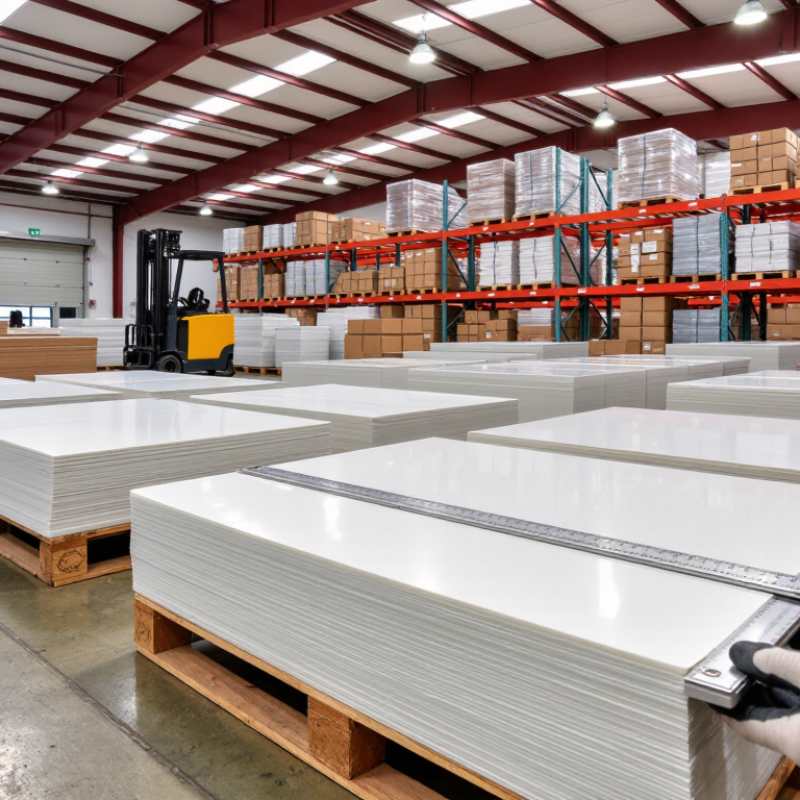
Start with the application. A sheet used for signage may need different rigidity, surface finish, and color stability than one used for fabrication. Confirm thickness, width, length, density, tolerance, and edge quality in writing. Request a physical sample before approving a large order. Hold it against a ruler, inspect the surface under bright light, and test whether the packaging protects corners during handling. Supplier experience matters, but documented quality procedures matter more. Ask for technical data, production photos, inspection records, and clear replacement terms. Check whether the supplier can maintain the same specification across repeated batches.
Do not ignore logistics. Calculate pallet dimensions, container capacity, loading methods, storage conditions, and possible damage rates. A reliable supplier should explain lead times without making unrealistic promises. Bulk purchasing also requires careful payment and communication records. Keep every agreed detail in the purchase contract. Small omissions become costly later. Even experienced buyers can overlook humidity, temperature, or limited warehouse space. That is worth reconsidering. Compare at least several qualified suppliers, but do not choose by price alone. The best decision balances verified quality, consistent supply, transparent communication, and total delivered cost.
Assess Your PVC Sheet Requirements and Intended Applications
7 Tips for Buying PVC Sheets in Bulk
Assess your PVC sheet requirements and intended applications before requesting a quotation. Tip one: define the sheet’s purpose clearly. Interior panels, machine guards, display structures, and outdoor covers need different performance levels. Tip two: record the required length, width, thickness, color, surface finish, and tolerance. Small errors become expensive when ordering hundreds of sheets. Tip three: check operating conditions. Consider moisture, sunlight, impact, temperature changes, and contact with cleaning chemicals. A sheet suitable for a dry workshop may fail outdoors.
Tip four: confirm how the sheets will be processed. Cutting, drilling, bending, welding, and printing can affect your specification. Ask whether the material supports your planned fabrication method. Tip five: order samples before bulk production. Measure them with basic tools and test a finished piece, not only a flat sample. This step can reveal warping or surface issues. It may feel slow. It is usually cheaper than reworking a full shipment.
Tip six: calculate usable quantity rather than purchasing by guesswork. Include cutting waste, damaged edges, replacement pieces, and future maintenance. I have seen rough estimates create shortages, even when the original order looked generous. Review the calculation again. Tip seven: discuss packaging and storage conditions. Sheets should remain flat, dry, and protected from excessive heat. Confirm pallet dimensions, delivery timing, inspection procedures, and documentation. Keep a written record of agreed specifications, because memory is not a reliable quality system.
Compare PVC Grades, Thicknesses, Sizes, and Surface Finishes
Buying PVC sheets in bulk is less about finding the lowest quote and more about matching material to the job. Ask for the exact PVC grade, because rigid PVC, foamed PVC, and flexible PVC behave differently. Rigid sheets suit fabricated panels and guards. Foamed sheets reduce weight but may dent under pressure. Flexible grades work where bending matters. Request a technical data sheet and a sample before approving a large order. Small tests reveal more than confident sales language.
Tip 1: Compare thickness by function, not appearance. A 1 mm sheet may look adequate, yet warp around heat or large spans. Measure stiffness, impact needs, and expected temperature. If dimensions are uncertain, order a few trial pieces first. I have seen bulk buyers pay for material that was technically correct but unsuitable in practice.
Tip 2: Calculate sheet size against cutting waste, shipping space, and labor. A larger sheet is not always cheaper after trimming. Check thickness tolerance and flatness, too. Surface finish deserves equal attention. Glossy sheets show fingerprints and scratches quickly. Matte finishes hide minor marks and reduce glare. Textured surfaces can improve grip, but cleaning may take longer. Compare finishes under actual lighting. Confirm color consistency between production lots, protective film, and edge quality. Recheck every assumption before signing; bulk savings disappear when a finish, size, or grade requires rework.
7 Tips for Buying PVC Sheets in Bulk - Compare PVC Grades, Thicknesses, Sizes, and Surface Finishes
| Tip | What to Compare | Typical Options | Practical Buying Guidance |
|---|---|---|---|
| 1. Select the correct PVC grade | Material type, rigidity, chemical resistance, impact performance, and intended use |
Rigid PVC: strong and dimensionally stable Foamed PVC: lightweight and easy to machine Clear PVC: transparent or translucent applications CPVC: higher-temperature service than standard PVC |
Use rigid PVC for fabricated panels and chemical-resistant parts; choose foamed PVC for signs and displays where low weight matters. Confirm temperature and chemical compatibility before ordering. |
| 2. Match thickness to the application | Sheet thickness, stiffness, weight, cutting method, and required support |
0.5–1.0 mm: flexible covers and liners 1.5–3.0 mm: light panels and fabrication 4–6 mm: general-purpose rigid panels 8–12 mm: heavy-duty panels and machined components 15–25 mm: thick structural or fabricated parts |
Thicker sheets generally provide greater rigidity but increase weight, material cost, and machining time. Request the permitted thickness tolerance when close-fitting parts are required. |
| 3. Compare sheet sizes and yield | Length, width, cutting waste, shipping limits, and nesting efficiency |
Common commercial formats include: 1,220 × 2,440 mm 1,220 × 3,050 mm 1,560 × 3,050 mm Custom sizes may be available by production quantity. |
Calculate parts per sheet before purchasing. A larger format can reduce scrap, but it may require special handling, pallet space, or freight equipment. |
| 4. Check the surface finish | Appearance, friction, cleanability, printability, and resistance to visible scratches |
Gloss: bright appearance and easy cleaning Matte: reduced glare and less visible reflection Embossed: textured appearance and improved surface grip Smooth satin: balanced appearance and moderate glare control |
Choose a gloss or smooth surface for applications requiring easy wipe-down. Select matte or embossed finishes when glare, fingerprints, or minor surface marks are concerns. |
| 5. Verify color and light transmission | Color consistency, opacity, transparency, UV exposure, and batch-to-batch variation |
White, gray, black, and custom colors are common. Clear sheets may be transparent or translucent. Standard opaque sheets usually block most visible light. |
Request a production sample or approved color reference before placing a bulk order. For outdoor use, confirm whether the formulation includes suitable weathering or UV protection. |
| 6. Confirm performance requirements | Density, impact strength, service temperature, chemical exposure, and fire behavior |
Typical rigid PVC density: approximately 1.3–1.45 g/cm³. Standard PVC is generally intended for moderate temperatures; CPVC is selected for higher-temperature service. Fire performance varies by formulation and thickness. |
Do not assume all PVC sheets have the same impact, fire, or temperature performance. Ask for the relevant test method, specification sheet, and compliance documentation. |
| 7. Evaluate bulk-order terms and quality control | Minimum order quantity, tolerances, packaging, lead time, inspection, and replacement policy |
Review: Thickness tolerance Length and width tolerance Flatness and protective-film condition Pallet quantity and moisture protection Pre-shipment inspection procedure |
Approve a sample before production, define acceptance criteria in writing, and calculate the delivered cost per usable sheet rather than comparing material price alone. |
Note: Dimensions, thickness ranges, finishes, and performance values are typical commercial specifications. Actual availability and tolerances vary by manufacturer, production process, grade, and order quantity; always confirm the technical data before purchasing.
Verify Supplier Quality Standards and Product Documentation
When buying PVC sheets in bulk, supplier quality deserves more than a polished website. Ask for a current quality-management certificate, production address, and clear contact details. A reliable supplier should explain inspection methods, equipment calibration, and corrective actions. Look for batch numbers, not vague claims.
Tip 1: Request product documentation before discussing price. A technical data sheet should state thickness tolerance, density, surface finish, color range, and mechanical performance. Ask whether testing follows recognized standards, such as ASTM or EN methods. Request a certificate of analysis for the actual production batch. Generic files may describe an older formula.
Tip 2: Compare documents with a physical sample. Measure thickness at several points with a calibrated gauge. Check edges for warping, surfaces for scratches, and corners for brittleness. Ask for safety data and fire-performance documents when your application requires them. These records should match the supplied material and destination requirements.
Tip 3: Verify traceability. Each pallet should connect to a batch, inspection report, and packing record. A pre-shipment inspection can confirm quantity, dimensions, packaging, and visible defects. It costs extra. Replacing thousands of sheets costs more. I would not rely on certificates alone; paperwork can be accurate yet incomplete. Ask how failed tests are recorded, and whether the supplier can provide recent, unedited inspection evidence.
7 Tips for Buying PVC Sheets in Bulk
Suggested allocation of procurement review attention when verifying supplier quality standards and product documentation.
The percentages represent a practical planning model for bulk purchasing due diligence, not a supplier ranking. Prioritize traceability, test evidence, dimensional consistency, and shipment inspection before placing a large order.
Calculate Bulk Pricing, Shipping Costs, and Storage Needs
7 Tips for Buying PVC Sheets in Bulk
Calculate the landed cost before approving a large PVC sheet order. Multiply the unit price by the sheet quantity, then add packaging, freight, insurance, and local handling fees. Ask for tiered pricing at several quantities, not only the biggest discount. A lower unit price may hide higher shipping costs. Tip 1: Request a written quotation with every charge listed. Tip 2: Compare the cost per usable square meter, especially when sheet dimensions differ.
Shipping needs careful measurement. PVC sheets require flat, protected loading to reduce warping, scratches, and crushed corners. Confirm the pallet height, total weight, delivery method, and unloading equipment before dispatch. I once underestimated storage access and paid for an avoidable second handling service. That mistake still influences my purchasing checks. Tip 3: Measure the receiving doorway and storage aisle. Tip 4: Calculate freight using both volume and weight, because carriers may apply either limit.
Storage planning protects the investment. Keep sheets on a level, dry surface, away from direct sunlight, heaters, and sharp objects. Use full support across the stack, rather than balancing sheets on narrow beams. Leave space between stacks for inspection and safe movement. Tip 5: Estimate storage capacity from pallet footprints, not sheet counts alone. Tip 6: Add a small reserve area for damaged packaging or delayed production. Tip 7: Order a sample batch first when thickness, surface finish, or color consistency remains uncertain. Bulk savings are useful, but unusable material is expensive.
Confirm Samples, Order Terms, and Delivery Schedules
7 Tips for Buying PVC Sheets in Bulk
Bulk PVC sheet purchases need more than a competitive price. Confirm a physical sample before discussing large quantities. Check its thickness with a micrometer, inspect the edges, and compare color under daylight. Test flexibility, surface hardness, and cutting performance if your application requires fabrication. Keep the approved sample, and record its measurements. Small differences can become expensive across several pallets.
Clarify the order terms in writing. Confirm sheet dimensions, tolerance ranges, material grade, packaging, minimum quantity, payment stages, and inspection rights. Ask whether production follows the approved sample or only a general specification. This detail is often missed. Request a signed technical sheet and a pre-shipment inspection report. I would also question unusually low prices; they may reflect thinner sheets, weaker packaging, or unexpected substitutions. My own purchasing reviews have shown that assumptions create more disputes than honest mistakes.
Agree on a realistic delivery schedule, not just a shipping date. Separate production time, quality inspection, loading, transit, and customs clearance. Ask for progress updates before the cargo is ready. Include the delivery location, pallet count, carton markings, and damage-reporting process in the order terms. Build a small time buffer. It feels inefficient, but weather, port congestion, and rework can change plans. If the schedule slips, require prompt written notice and a revised estimate. Dates need evidence.
Related Posts
-
2026 How to Choose Solid Plastic Sheets for Your Next Project?
-

10 Essential Tips for Choosing the Right Plastic Sheet Material?
-
Top 10 Plastic Sheet Materials for Your Next Project?
-
How to Source Solid Plastic Sheets in 2026?
-
Top Solid Plastic Sheets Manufacturers for Global Buyers
-

What Are the Top Types of Plastic Sheets?