10 Essential Tips for Choosing the Right Plastic Sheet Material?

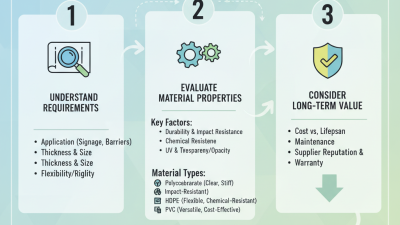
Choosing the right plastic sheet material is crucial for various applications. A report by Grand View Research indicates that the global plastic sheets market size was valued at USD 35.4 billion in 2022. This figure reflects the growing demand across industries for high-quality plastic materials. When selecting a plastic sheet, it's essential to consider factors like size, thickness, and intended use.

Certain materials offer unique benefits. For example, polycarbonate is known for its high impact resistance, while acrylic is valued for its clarity and aesthetic appeal. However, not every plastic sheet material fits every project. Some may warp or become brittle under specific conditions. Analyzing your needs ensures the most suitable choice.

Industries often struggle with balancing cost and performance. Selecting the wrong plastic sheet material can lead to costly mistakes and project delays. It’s vital to stay informed on the latest advancements in plastic technology. Understanding the specific properties of each material will guide your decision-making process. Assessing your requirements with care is key to achieving successful outcomes.

10 Essential Tips for Choosing the Right Plastic Sheet Material?

Understanding Different Types of Plastic Sheet Materials Available
10 Essential Tips for Choosing the Right Plastic Sheet Material?

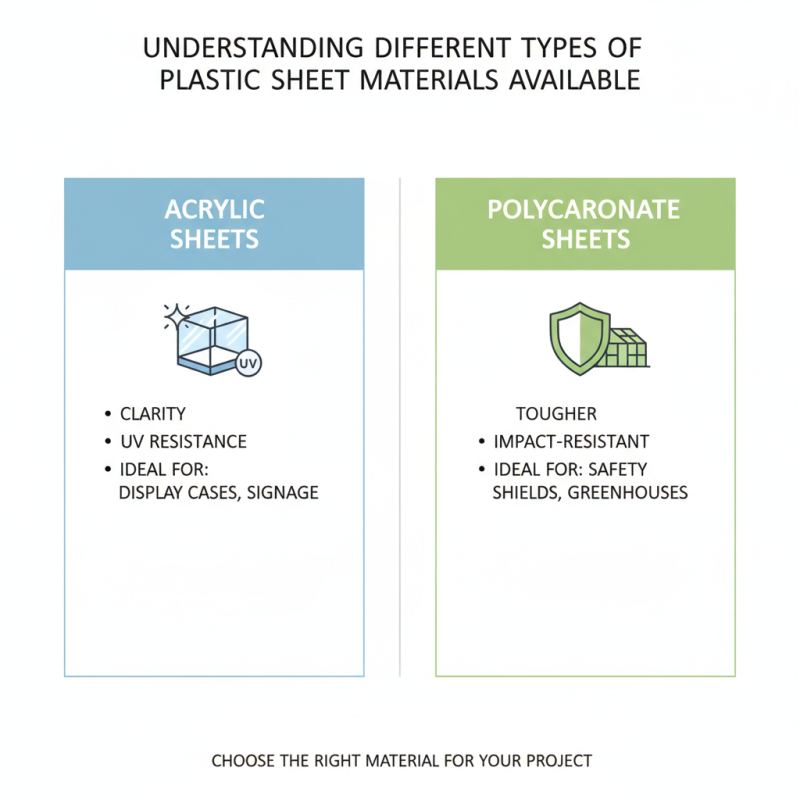
When selecting plastic sheet materials, understanding the various types available is crucial. Acrylic sheets are popular due to their clarity and UV resistance. They are ideal for display cases and signage. Polycarbonate sheets, on the other hand, are much tougher and resistant to impact. They work well in applications that require durability, like safety shields and greenhouses.

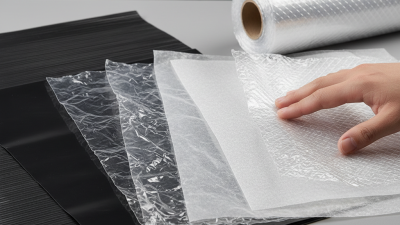
Polypropylene sheets are lightweight and chemical-resistant, making them perfect for containers and medical applications. PVC sheets offer a balance of strength and flexibility. They are often used in indoor and outdoor construction. Each type has distinct properties that cater to specific needs. However, it’s essential to assess your project’s requirements carefully. A mistake in material choice can lead to expensive revisions. Sometimes, even the best materials may not meet expectations in real-world conditions. Therefore, it’s vital to weigh pros and cons realistically and seek expert advice when needed.
Evaluating the Physical Properties of Plastic Sheets for Your Project

When selecting plastic sheet materials, evaluating physical properties is crucial. Different projects require unique characteristics, such as strength, flexibility, and clarity. According to industry reports, polycarbonate sheets are known for their exceptional impact resistance, making them ideal for applications where durability is essential. In contrast, acrylic sheets offer excellent optical clarity but may be less resistant to scratches.

Temperature tolerance is another important factor. Materials like PETG perform well in varying temperatures, while PVC can become brittle in colder conditions. Understanding these nuances can significantly impact project success. A survey of industry professionals indicated that 72% prioritize thermal properties when choosing materials for long-term installations.

It's also valuable to assess the environmental impact of plastic sheets. Many manufacturers are now producing sheets made from recycled materials. While this is a positive trend, these products may not always match traditional materials in terms of performance. Balancing sustainability and performance requires careful thought. Not all plastic sheets are created equal; choosing the wrong type can lead to potential project failures, such as breakdowns or inefficiencies. These considerations highlight the complexity of selecting the right plastic sheet for your needs.

Physical Properties Comparison of Plastic Sheet Materials

Considering Environmental Impact and Sustainability of Plastic Choices

When selecting plastic sheet materials, the environmental impact is paramount. According to the Plastics Industry Association, nearly 300 million tons of plastic are produced globally each year. A significant portion of this ends up in landfills and oceans, contributing to pollution. Choosing sustainable plastic options can mitigate these effects. Use of recycled materials, for instance, can greatly reduce the amount of new plastic produced.

Additionally, bioplastics present an alternative. Research from the European Bioplastics organization indicates that switching to bioplastics can lower carbon footprints by 30-80%. However, not all bioplastics are equally sustainable. It’s vital to examine the entire lifecycle of these materials. Consider sourcing processes, energy consumption, and biodegradability. This is where careful scrutiny becomes necessary.

Manufacturers must balance performance and eco-friendliness. Sometimes, the most durable sheet materials are not the most sustainable. This contradiction raises further questions: Is the performance worth the environmental cost? By making informed choices and demanding transparent information, consumers can drive change towards sustainable practices in the plastic industry.

Assessing Cost versus Performance: Finding the Right Balance

10 Essential Tips for Choosing the Right Plastic Sheet Material?

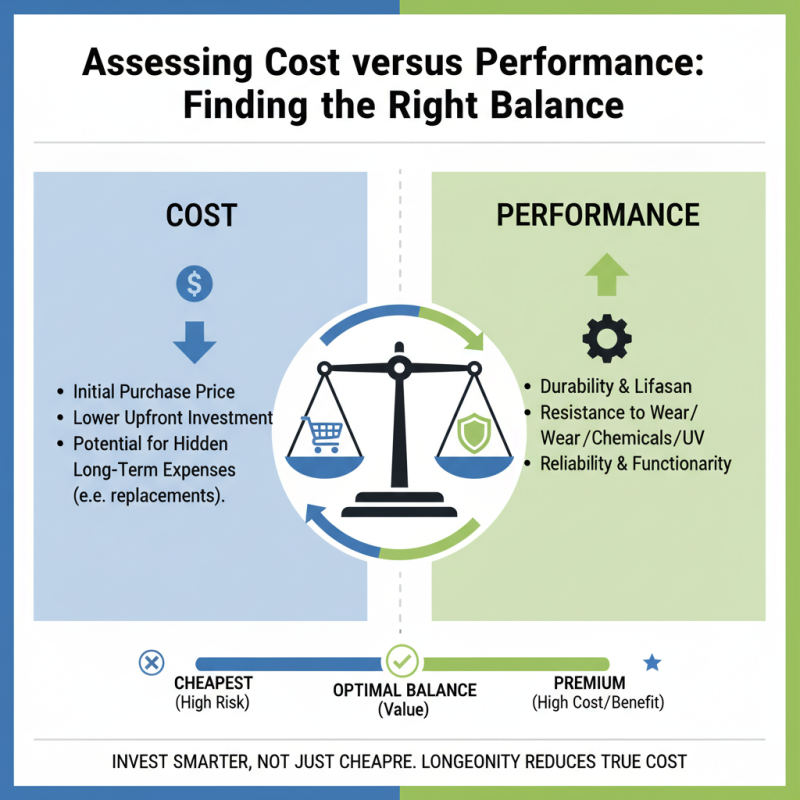
Choosing the right plastic sheet material involves more than just picking the cheapest option. It requires a careful assessment of both cost and performance. Many may overlook how performance can directly affect long-term expenses. For instance, cheaper materials might degrade faster, leading to more frequent replacements and higher costs over time.

As you evaluate options, consider factors like strength, flexibility, and UV resistance. Each property impacts both the lifespan of the material and its suitability for specific applications. Sometimes, investing in a higher-priced sheet can offer better durability and lower maintenance. However, not every high-performance sheet is necessary for every project. Assess your unique needs carefully.

Reflecting on past choices can help. Did a budget sheet fail sooner than expected? Such experiences reveal valuable lessons. Balancing cost and performance is crucial. Look for materials that meet your practical requirements while staying within budget. This approach not only ensures you select a suitable material but also fosters a deeper understanding of materials science.

Identifying Specific Applications and Use Cases for Plastic Sheets

When choosing plastic sheets, understanding specific applications is crucial. Different projects demand distinct properties from materials. For example, in construction, polycarbonate sheets excel in durability and impact resistance. A report from the Plastic Industry Association highlights that polycarbonate is 200 times stronger than glass. This makes it ideal for skylights and protective barriers.

In industries like food packaging, polyethylene sheets are popular. They provide excellent moisture resistance and are safe for contact with food. According to the American Chemistry Council, about 15% of all plastics produced are used in packaging applications. However, not all polyethylene sheets have the same quality. Users often overlook thickness and clarity, which can affect product integrity.

For artistic uses, acrylic sheets offer versatility and aesthetic appeal. They can be easily shaped and colored. A study published in the Journal of Plastics Engineering indicates that acrylic sheets have superior UV resistance compared to other plastics. However, some may find these sheets scratch easily. Careful handling and proper storage can mitigate this issue but may require additional effort from users. Consider these factors seriously.

10 Essential Tips for Choosing the Right Plastic Sheet Material

Material Type Common Applications Durability Cost UV Resistance
Acrylic Displays, signage, protective barriers High Moderate Yes
Polycarbonate Safety glasses, greenhouses, clear roofs Very High High Yes
PVC Pipes, flooring, medical equipment Moderate Low No
PETG Food packaging, medical containers Moderate Moderate Yes
High-Density Polyethylene (HDPE) Containers, toys, chemical storage High Low Yes