Why Choose Polycarbonate Plastic for Your Next Project?
Polycarbonate plastic has become a preferred material in various industries due to its impressive properties. According to a recent market analysis by Smithers Pira, the global demand for polycarbonate plastic is expected to reach over 4.6 million tons by 2025. This demonstrates its growing popularity and versatility. Known for its lightweight nature and impact resistance, polycarbonate plastic serves a wide range of applications, from aviation to construction.
A notable advantage is its transparency, which allows for efficient light transmission. Reports indicate that polycarbonate sheets can transmit up to 90% of visible light. However, despite its strengths, polycarbonate plastic does face challenges. Exposure to UV light can lead to discoloration over time, impacting aesthetics and performance.
In exploring polycarbonate plastic for your next project, consider both its benefits and limitations. Being aware of its susceptibility to environmental factors is crucial. The right applications can harness its strengths effectively, leading to innovative solutions in design and manufacturing.
Understanding Polycarbonate Plastic and Its Properties
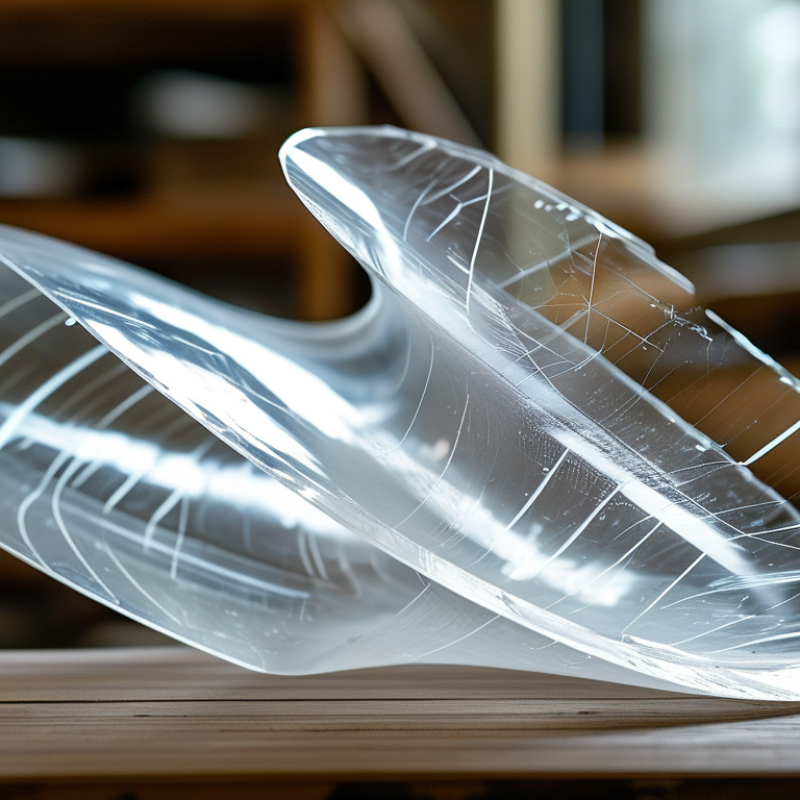
Polycarbonate plastic is known for its impressive properties. It is a strong, durable material that is also lightweight. This combination makes it suitable for various applications, from construction to consumer products. Understanding these properties can help you decide whether it’s the right choice for your next project.
One key characteristic of polycarbonate is its impact resistance. It is nearly unbreakable compared to glass, which can shatter easily. This makes it ideal for safety-related applications. However, polycarbonate can scratch more easily than some other materials. Regular maintenance, such as cleaning with a non-abrasive solution, can enhance its longevity.
When working with polycarbonate, consider its thermal properties. It can withstand high temperatures without deforming. This can be a significant advantage in environments prone to heat. But remember, exposure to excessive UV light can degrade polycarbonate over time. Using coatings that shield against UV rays can be a smart move.
Properties of Polycarbonate Plastic
This bar chart represents the key properties of polycarbonate plastic, showcasing its impact resistance, light transmission, thermal resistance, flame retardance, weight, and cost. Each property is rated on a scale of 100, indicating polycarbonate's excellent performance in various applications.
Key Benefits of Using Polycarbonate Plastic in Various Projects
Polycarbonate plastic is gaining popularity in various industries due to its remarkable benefits. This versatile material is known for its exceptional durability and resistance to impact. According to recent industry reports, polycarbonate can endure impacts up to 200 times greater than glass, making it a safer alternative in construction and safety applications. Its ability to withstand extreme temperatures also makes it suitable for diverse environments, ranging from outdoor settings to indoor fixtures.
Another key advantage is its lightweight nature. Polycarbonate weighs about half as much as glass, which reduces transportation costs and simplifies installation. Many projects have benefited from this, allowing for significant savings in labor and material expenses. Furthermore, polycarbonate is inherently UV resistant, which prolongs the life of products exposed to sunlight. This attribute is critical for applications in automotive and architectural fields, where long-lasting clarity is essential.
Using polycarbonate can be straightforward, but proper handling and installation are crucial. Ensure that sheets are cut accurately and that edges are smooth to prevent cracking. Also, consider the expansion properties; allowing for some movement helps maintain structural integrity. Whenever possible, consult with experts in the field to maximize efficiency and safety. Remember, a well-executed project reflects the quality of materials chosen.
Comparing Polycarbonate Plastic with Other Common Materials
When considering materials for your next project, polycarbonate plastic stands out. It is known for its exceptional durability and impact resistance. Compared to glass, polycarbonate is significantly lighter and shatter-resistant. This makes it ideal for applications like safety goggles or greenhouse panels.
However, it's important to note that polycarbonate can scratch more easily than glass. Depending on your project requirements, this may be a drawback. Additionally, while the material can withstand high temperatures, prolonged exposure to UV light can lead to degradation over time.
In contrast, materials like acrylic offer clarity but lack the toughness of polycarbonate. Metal and wood provide strength but can be heavier and more expensive. Each material has its strengths and weaknesses, making it crucial to assess your specific needs before making a choice.
Applications of Polycarbonate Plastic Across Different Industries
Polycarbonate plastic is increasingly being adopted across various industries due to its unique properties. In construction, it is used for roofing and glazing, providing excellent light transmission and impact resistance. A report by Global Market Insights indicates that the construction applications segment of polycarbonate plastic is projected to grow at a CAGR of over 6% from 2021 to 2027. This growth highlights the material's durability and versatility in modern architecture.
In the automotive industry, polycarbonate plastics are utilized for manufacturing lightweight components, which enhances fuel efficiency. Data from the Plastics Industry Association reveals that lightweighting can lead to a fuel consumption reduction of up to 10%. This not only addresses environmental concerns but also improves vehicle performance. The use of polycarbonate in automotive lights, dashboards, and mirrors illustrates its crucial role in enhancing safety and aesthetics.
Additionally, the electronics sector benefits significantly from polycarbonate's insulating properties. According to a recent study, nearly 40% of electrical enclosures are made from polycarbonate, owing to its high heat resistance and mechanical strength. Industries are exploring new applications regularly. Yet, challenges like recyclability and long-term UV stability still require attention. As polycarbonate continues to evolve, its full potential remains a topic worth exploring.
Why Choose Polycarbonate Plastic for Your Next Project? - Applications of Polycarbonate Plastic Across Different Industries
| Industry |
Application |
Benefits |
| Automotive |
Headlights and interior panels |
Impact resistance and lightweight |
| Construction |
Glazing and roof panels |
UV resistance and thermal insulation |
| Electronics |
Protective covers and housings |
Durability and electrical insulation |
| Medical |
Surgical instruments and devices |
Biocompatibility and sterilization |
| Aerospace |
Cockpit enclosures and components |
Lightweight yet strong |
| Consumer Goods |
Luggage and safety goggles |
Transparency and impact resistance |
Best Practices for Working with Polycarbonate Plastic in Design Projects
When working with polycarbonate plastic in design projects, several best practices can lead to successful outcomes. This material is known for its strength and versatility, but it also requires careful handling. Polycarbonate is lightweight yet durable, making it ideal for various applications. However, it's essential to know how to manipulate it properly to avoid common pitfalls.
One key aspect is cutting. Always use a fine-toothed saw to prevent cracking. Apply masking tape on both sides of the cuts to reduce chipping. Maintain a steady speed while cutting, as rushing can lead to mistakes. Choose the right type of fastener when assembling. Incorrect fasteners can cause stress points that weaken the structure over time.
Another consideration is temperature. Polycarbonate can expand or contract with temperature changes, so leave space for movement during installation. Strength testing your design before full-scale production can reveal weaknesses. Remember that the material can scratch easily, so handle with care. It's wise to design protective layers to minimize this risk.