How to Choose the Best Polycarbonate Clear Sheet?
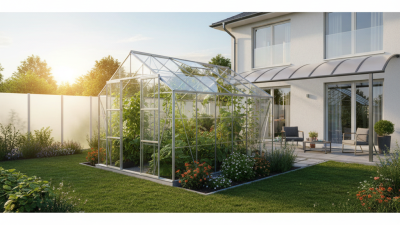
Choosing the right polycarbonate clear sheet is more practical than simply selecting the thickest option. In real projects, performance depends on thickness, surface treatment, light transmission, and installation conditions. A greenhouse roof may need strong impact resistance and ultraviolet protection. A workshop guard may require easy cleaning and stable dimensions. Those needs are different.
Start with the working environment. Measure the panel span, expected load, temperature changes, and exposure to sunlight. A 4 mm sheet can suit a small indoor divider, while a thicker panel may be safer for outdoor roofing. Always check the manufacturer’s technical data, including impact strength, service temperature, fire performance, and warranty limits. Reliable suppliers should provide test reports and clear installation guidance. Do not trust vague claims such as “unbreakable.” No sheet is perfect.
Surface protection also matters. UV-coated panels can reduce yellowing and brittleness during long outdoor use. However, the protected side must face outward. A small installation mistake can shorten the material’s service life. Consider clarity carefully, too. Clear panels transmit daylight, but reflections, scratches, and condensation may affect visibility. Protective films should remain in place until cutting and fitting are complete. They should not be treated as permanent coatings.
Budget decisions deserve equal attention. The cheapest polycarbonate clear sheet may cost more after frequent replacement or poor performance. Compare total project value, not only the purchase price. Review cutting methods, expansion gaps, fasteners, and sealing details before ordering. When uncertain, request a sample and test it under realistic conditions. That simple step often reveals problems that specifications miss.
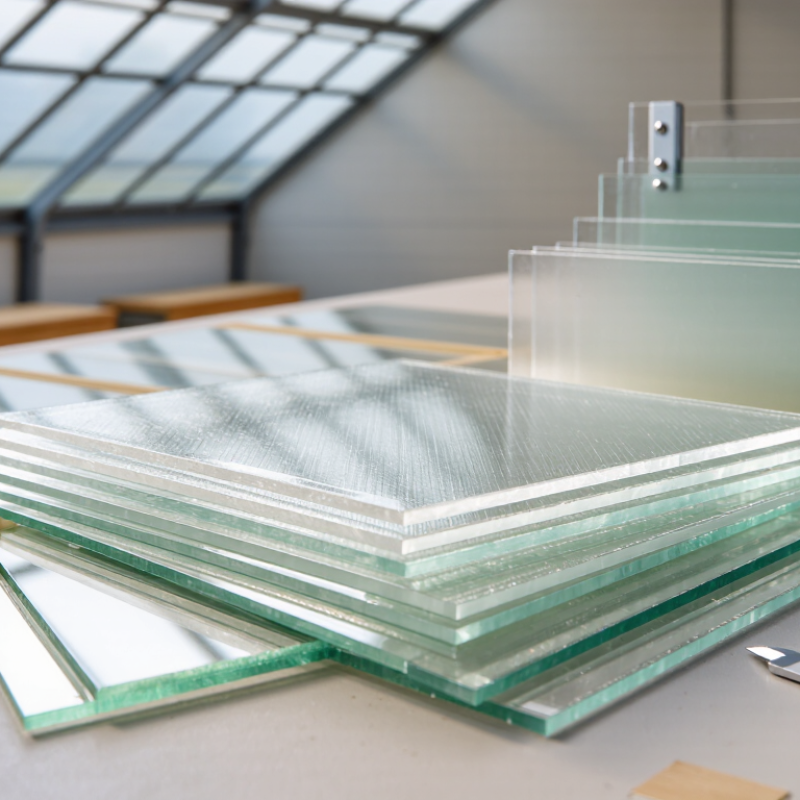
Define Performance Needs: Up to 250× Glass Impact Resistance and ~90% Light
How to Choose the Best Polycarbonate Clear Sheet?
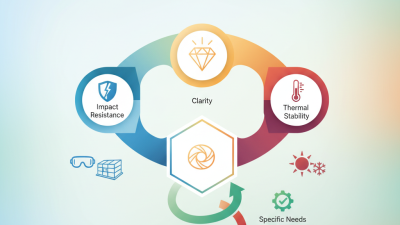
Define performance needs before comparing prices. Clear polycarbonate sheets can provide about 90% visible-light transmission, close to ordinary clear glass. This supports bright interiors, greenhouse glazing, and protective barriers. However, light transmission depends on thickness, surface texture, color, and aging. ASTM D1003 measures luminous transmittance and haze, so request test results rather than relying on sales language.
Some industry datasheets report impact resistance up to 250 times that of standard glass. The 250× figure sounds precise, but it is not universal. Results change with sheet thickness, temperature, impact shape, and mounting conditions. ASTM D256 evaluates notched impact strength, while building applications may require different testing. The U.S. Department of Energy’s building guidance also treats visible transmittance as an important daylighting metric. In practice, a dusty roof panel may deliver less usable light than its laboratory value.
Tips: Ask for thickness-specific data, visible-transmittance results, haze values, and weathering evidence. For outdoor use, choose a sheet with a tested UV-protective layer. Check the installation span and support spacing carefully. A stronger sheet can still fail when poorly fixed. I would also inspect a sample under real sunlight before ordering, because clarity can look different indoors.
How to Choose the Best Polycarbonate Clear Sheet? - Define Performance Needs: Up to 250× Glass Impact Resistance and ~90% Light
| Performance Dimension |
Clear Polycarbonate Sheet |
Acrylic Sheet |
Standard Float Glass |
Why It Matters |
| Impact resistance |
Approximately 200–250× glass |
Approximately 10–20× glass |
Baseline; brittle under impact |
Helps reduce breakage from hail, tools, debris, and accidental impact. |
| Visible light transmission |
Typically 88–90% for clear sheet |
Typically 90–92% for clear sheet |
Typically 80–90%, depending on thickness and composition |
Higher transmission supports daylighting and visual clarity. |
| Weight |
About half the weight of glass at similar thickness |
About half the weight of glass at similar thickness |
Heavier reference material |
Lower weight can simplify handling, framing, and installation. |
| Service temperature range |
Commonly about −40°C to +100°C, grade-dependent |
Commonly about −30°C to +80°C, grade-dependent |
Non-combustible and stable at higher temperatures, but vulnerable to thermal shock |
Select a sheet according to outdoor climate and heat exposure. |
| UV performance |
Choose a UV-protected or co-extruded grade for outdoor use |
Generally good outdoor clarity; UV stability depends on grade |
Unaffected by UV in terms of yellowing, although coatings may vary |
UV protection helps limit yellowing, embrittlement, and weathering. |
| Flammability behavior |
Combustible; rating depends on thickness and formulation |
Combustible; rating depends on thickness and formulation |
Non-combustible |
Verify local fire codes and the exact sheet classification before specifying. |
| Typical best-fit applications |
Safety glazing, machine guards, skylights, shelters, and protective barriers |
Display panels, interior glazing, signs, and light-duty covers |
Windows, partitions, façades, and applications requiring non-combustibility |
Match the material to impact, weight, optical, thermal, and fire requirements. |
Note: Performance values are typical industry ranges for clear sheet materials. Actual results vary with thickness, test method, additives, surface treatment, installation design, and product grade. The “up to 250×” impact comparison is commonly stated relative to ordinary glass under specific test conditions and should not be treated as a universal rating.
Compare Sheet Structures: Solid, Multiwall, and Corrugated Polycarbonate
How to Choose the Best Polycarbonate Clear Sheet?
Choosing the best clear polycarbonate sheet starts with its structure, not its appearance. Solid polycarbonate provides a flat, glass-like surface and strong impact resistance. It works well for windows, machine guards, and areas requiring clear sightlines. However, solid sheets can be heavier and transfer more heat. Thick panels may also require stronger framing.
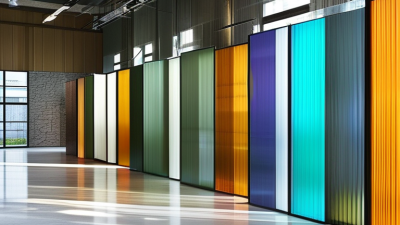
Multiwall polycarbonate contains internal ribs that create insulating air spaces. This structure reduces heat transfer and keeps the panel relatively light. It is often suitable for greenhouse roofs, patio covers, and partition systems. Light spreads through the channels, creating softer shadows. Yet, the internal pattern can reduce visual clarity. Dust or moisture may also become a concern if the edges are poorly sealed.
Corrugated polycarbonate uses repeated waves or profiles for stiffness. It drains rain efficiently and usually installs quickly over simple frames. This option suits agricultural shelters, utility roofs, and covered walkways. Its uneven surface is less suitable for clear viewing. During installation, allow for thermal movement and use compatible washers. A common mistake is choosing the thinnest panel to reduce cost. That decision can cause vibration, bending, or premature wear in exposed locations. Compare span, local weather, UV protection, light transmission, and the supplier’s tested performance data before ordering.
Match Thickness to Span, Loads, and U-Values of ~0.2–1.1 W/m²·K
Choosing a polycarbonate clear sheet starts with span, not appearance. Short spans may suit 4–6 mm solid sheets, while wider roof panels often need 10–25 mm multiwall construction. Thickness alone does not confirm safety. Snow, wind, maintenance loads, support spacing, and panel orientation must be checked together. Engineering tables should follow local design loads and test methods such as EN 13501 and EN 1991.
Thermal performance needs equal attention. A target U-value of 1.1 W/m²·K may be realistic for some insulated multiwall sheets. Values near 0.8 or 0.5 require deeper cavities, multiple layers, or improved framing details. A U-value near 0.2 W/m²·K is rarely achievable with a single clear sheet. It usually describes a complete high-performance assembly, not the plastic alone. EN 673 and ISO 10077-1 define calculation conditions, so compare values carefully. The Passive House Institute’s component criteria also show that very low U-values apply to tested assemblies and edge details. Small gaps matter.
Do not select by thickness alone. A heavier sheet can still perform poorly across a long, flexible span. I have seen attractive panels bow where the support grid was too open. That mistake is easy to repeat. Request declared U-values, load tables, deflection limits, and test conditions before ordering. Then check whether the quoted value includes framing, seals, and thermal bridges.
Verify UV Stability, Haze, and Transmission with ASTM D1003 and ISO 4892
How to Choose the Best Polycarbonate Clear Sheet?
A clear sheet should be judged by measured performance, not appearance alone. ASTM D1003-21 measures haze and luminous transmittance through a defined optical test. Haze shows scattered light, while transmission indicates how much light passes through. A sheet can transmit plenty of light and still look cloudy at an angle. That detail is often missed.
UV stability needs separate evidence. ISO 4892-3:2016 describes fluorescent UV exposure using controlled irradiance, temperature, and moisture cycles. It does not create one universal pass or fail value. Compare color change, haze increase, transmission loss, and surface cracking after the same exposure period. The Plastics Industry Association’s weatherability guidance also stresses that laboratory exposure is comparative, not a perfect copy of every outdoor climate. Real sunlight is less obedient.
Tips: Request the full test report. Check specimen thickness, lamp type, exposure hours, and conditioning. Confirm whether results came before or after UV exposure. In one project, I accepted high initial transmission too quickly. The sheet later showed edge yellowing. I should have reviewed the post-exposure data first. Slightly imperfect testing decisions can become expensive installation problems. Prefer data showing both initial and retained optical values.
Confirm Fire Ratings, Dimensional Tolerances, and 10-Year UV Warranty Terms
Choosing the best polycarbonate clear sheet starts with the application, not the lowest price. Confirm its fire rating through current test reports and approval documents. The classification must match your building code and installation location. A product used near lighting, machinery, or public areas may need stricter performance.
Ask whether the rating applies to the sheet alone or the complete assembly. Framing, sealants, air gaps, and mounting methods can change fire behavior. A certificate is not enough. Check the test standard, report date, thickness, and production range. This small review can prevent an expensive replacement.
Dimensional tolerances also affect real installation quality. Verify thickness, width, length, flatness, and cut-edge accuracy. Uneven sheets may create visible waves across a large roof panel. Polycarbonate expands with temperature, so the supplier should provide expansion guidance and suitable hole clearance. In field inspections, installers sometimes follow the nominal size too closely. That mistake can cause buckling during hot weather.
Review the 10-year UV warranty line by line. Confirm coverage for yellowing, light transmission loss, cracking, and surface damage. Check the measurement method and acceptable limits. Ask whether the warranty covers labor, replacement, or only material value. Installation errors, harsh cleaners, poor storage, and incorrect sealing may be excluded. Keep invoices, batch details, photographs, and maintenance records. Warranty wording can look reassuring, yet vague exclusions deserve careful questions.
How to Choose the Best Polycarbonate Clear Sheet?
Compare the key specification checkpoints before purchasing: ASTM E84 Class A fire performance uses a flame-spread index of 25 or less, a commonly stated polycarbonate sheet thickness tolerance is ±10%, and a 10-year UV warranty should clearly define coverage and exclusions.
Selection note: Fire classification, dimensional tolerance, and UV warranty terms vary by sheet grade and supplier. Always request the current test report, dimensional specification, and complete warranty document.