How to Choose Polycarbonate Clear Plastic Sheet in 2026?
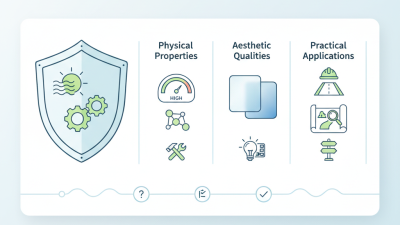
Choosing a polycarbonate clear plastic sheet in 2026 requires more than comparing prices and thicknesses. A sheet may look identical under showroom lighting, yet perform differently outdoors, near machinery, or inside a humid greenhouse. Clarity, impact strength, weather resistance, surface hardness, and fire performance must match the actual application.
Dr. John C. White, a plastics materials specialist, offers a useful reminder: “Material selection begins with the environment, not the catalogue.” That principle is easy to overlook. A 2 mm sheet may suit an indoor display case, but it can flex noticeably when used as a large outdoor panel. A 6 mm multiwall sheet may reduce heat transfer, although its internal structure can soften visual detail. Small decisions matter.
This guide examines the practical questions behind a reliable purchase. Will the panel face ultraviolet exposure every afternoon? Could dust, cleaning chemicals, or sudden temperature changes damage its surface? Is optical clarity more important than insulation? Product descriptions rarely answer everything.
Real projects are rarely perfect.
Installers sometimes choose excessive thickness for confidence, adding cost without improving performance. Others focus on initial price and ignore protective coatings. We will compare sheet types, thicknesses, finishes, warranties, and installation details. The aim is not to promote one universal product. It is to help readers select a polycarbonate clear plastic sheet that remains safe, clear, and useful under real operating conditions. Supplier documentation should still be checked before final purchase.
What Polycarbonate Clear Plastic Sheet Is and Where It Is Used
What Polycarbonate Clear Plastic Sheet Is and Where It Is Used
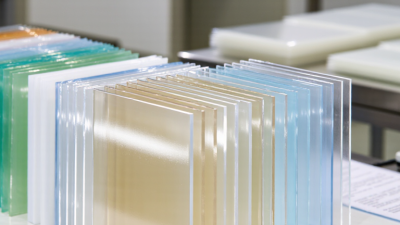
Polycarbonate clear plastic sheet is a transparent engineering thermoplastic made from carbonate-based polymer chains. It resembles glass, but weighs about half as much and resists impact far better. A 3 mm sheet can still feel surprisingly rigid in a framed panel.
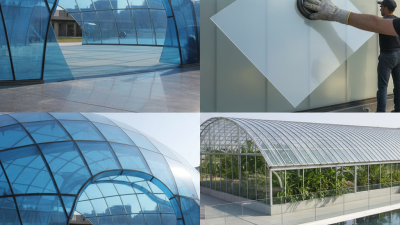
Its clarity, toughness, and workable temperature range support many applications. Construction teams use it for safety glazing, skylights, partitions, and machine guards. Manufacturers also form it into protective covers, greenhouse panels, interior barriers, and transport components. In practice, the right grade depends on thickness, ultraviolet exposure, fire performance, surface hardness, and required optical clarity. Clear does not always mean distortion-free.
The global polycarbonate market illustrates this demand. Fortune Business Insights estimated the market at approximately USD 16.6 billion in 2023, with continued growth expected through 2032. Grand View Research reported a different 2023 estimate, showing why definitions and regional coverage matter. These reports support growth, not automatic suitability. For a 2026 purchase, check the supplier’s technical data against ISO 7391 or ASTM D3935 references. Ask for light-transmission, impact, and weathering test results. Outdoor sheets may need a coextruded ultraviolet-resistant layer; indoor sheets may not. I have seen clear panels scratched during installation because the protective film was removed too early. That small mistake weakens the finished appearance. Temperature movement also needs allowance, especially across long roof panels. Polycarbonate is forgiving, but not careless.
How to Match Sheet Thickness with Project Requirements
How to Choose Polycarbonate Clear Plastic Sheet in 2026?
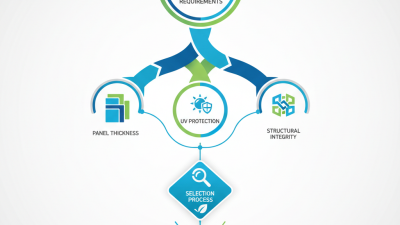
Choosing the correct thickness starts with the project’s real demands, not appearance. A thin sheet may suit a small indoor cover with short spans. It can flex badly when exposed to wind or repeated handling. Thicker sheets provide greater stiffness, but they also add weight, cost, and cutting difficulty. Measure the unsupported span carefully. A wide panel needs more support than a narrow panel of the same length.
Consider impact, temperature, and mounting details together. For a protective guard, impact resistance may matter more than perfect rigidity. For a canopy, wind pressure and fastener spacing deserve closer attention. Polycarbonate expands with temperature changes, so drilled holes should allow controlled movement. Do not clamp the sheet tightly against a rigid frame. That mistake can create stress cracks over time. Local building requirements should also be checked for outdoor structures.
Tips: Compare the sheet thickness with the support spacing, not only the panel size. Test a small sample when flexibility is uncertain. Leave room for thermal expansion. Check the supplier’s technical data for impact strength, temperature limits, and recommended installation methods. I have found that many selection errors come from estimating by eye. It feels quick, but the result can be expensive to correct. A simple sketch with measurements often reveals the better thickness.
Which Surface, UV, and Safety Features to Compare
How to Choose Polycarbonate Clear Plastic Sheet in 2026?
When choosing a clear polycarbonate sheet, examine the surface before comparing thickness or price. A smooth finish provides strong light transmission and a clean view. However, it can show fingerprints, fine scratches, and workshop dust easily. A textured or matte surface hides minor marks and reduces glare near windows or overhead lighting. Check whether the surface treatment is designed for abrasion resistance. Some coatings sound impressive but perform poorly under repeated cleaning. Request test data, not just product descriptions.
UV protection deserves careful attention for outdoor projects. Look for a co-extruded or applied UV layer, and confirm which side faces the sun. One-sided protection is common. Installing it backward can shorten service life and encourage yellowing. Two-sided protection may suit exposed panels, but it is not automatically necessary. Ask about light transmission after weathering tests. Clear does not always mean stable.
Safety involves more than impact strength. Select a thickness that matches the panel size, support spacing, wind exposure, and expected handling. Verify fire-performance information for the intended building use. Edge protection matters too; an unsealed edge can collect moisture and dirt. I have seen otherwise excellent panels fail because the frame moved. The perfect sheet does not exist. A slightly less clear option may be safer, easier to maintain, and more reliable over time.
What to Check Before Buying Polycarbonate Clear Plastic Sheet in 2026
How to Choose Polycarbonate Clear Plastic Sheet in 2026?
Before buying polycarbonate clear plastic sheet, check the technical data, not only the advertised transparency. ASTM D1003 measures luminous transmittance and haze, which affect clarity and appearance. Many clear sheets transmit about 88% to 90% of visible light, but the exact result depends on thickness, surface texture, and additives. The U.S. Department of Energy’s Buildings Energy Consumption Survey shows that lighting remains a major electricity use in commercial spaces. Better daylight transmission may therefore support energy planning, but it cannot replace a full building assessment.
Review the sheet’s thickness, impact rating, UV protection, and service temperature. Ask for test reports based on ASTM D256 for impact resistance and ASTM D638 for tensile strength. Fire performance should be verified through recognized testing, such as UL 94 or an equivalent regional standard. Also inspect the protective film. It should cover both sides and show production details. A scratched sample can mislead you. I would request a small sample before ordering large panels.
Tips:
Compare the datasheet with the actual sample. Check edge quality under bright light. Confirm whether UV protection is co-extruded or only surface-applied. Measure the frame opening carefully, leaving room for thermal movement. The PlasticsEurope Plastics—The Fast Facts 2024 report recorded 413.8 million tonnes of global plastic production in 2023, reminding buyers that material selection affects resource use. A lower price may look efficient, yet replacement waste can cost more. Some assumptions still need checking.