Why Choose Mylar Sheets for Packaging?
Mylar sheets are valued in packaging for a practical reason: they can help limit moisture, oxygen, and light exposure. That matters when a product must stay crisp, dry, or visually appealing during storage and transport. A sealed pouch can feel smooth and lightweight in the hand, yet its performance depends on film structure, thickness, seal quality, and the product itself. No single material suits every pack.
Packaging educator Walter Soroka is known for defining packaging as “the science, art, and technology of enclosing or protecting products for distribution, storage, sale, and use.” That broad view is useful when assessing mylar sheets. Protection is only one part of the decision. Buyers should also consider converting requirements, print appearance, handling, and end-of-life options. Check supplier specifications, and request samples where possible. A small trial can reveal weak seals or awkward folds that a datasheet will not.
The following guide examines where mylar sheets can offer value, what their barrier properties mean in everyday packaging, and which trade-offs deserve attention. The details matter. A shiny surface alone does not prove that a package will protect its contents; construction and testing do. It is also worth questioning familiar claims: “better barrier” does not automatically mean a better overall choice. Choose based on the product, the storage conditions, and verified performance—not appearance alone.
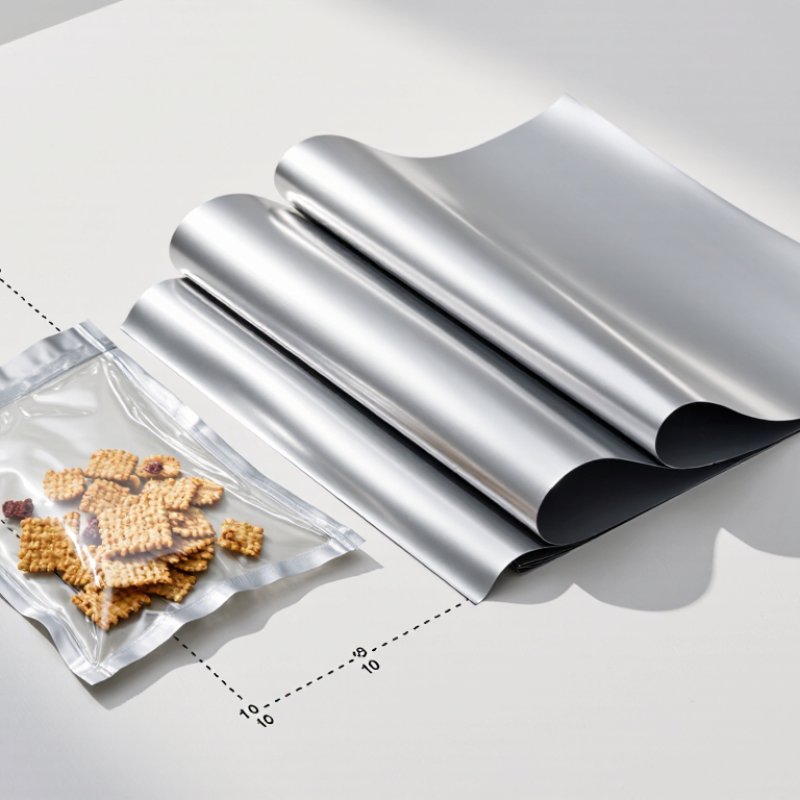
What Mylar Sheets Are and How They Are Made
In packaging, “Mylar sheet” commonly means a thin film made from polyethylene terephthalate, or PET. The polymer is heated until it melts, then pushed through a flat die to form a continuous sheet. It cools into a clear, flexible layer. At this stage, it is not yet the strong, dimensionally stable film used in many packages.
The sheet is stretched in two directions, lengthwise and across its width. This process aligns the polymer molecules and improves strength, clarity, and resistance to shrinking. The film is then heated under controlled tension to help it retain its shape. Small differences in temperature or stretching can affect thickness and performance. Manufacturing takes care.
Some sheets receive added coatings or are joined with other materials. These layers can improve moisture or oxygen resistance, or help the film seal to itself. A shiny surface alone does not reveal what barriers a sheet provides; specifications and testing matter. Packaging designers should match the film structure to the product and storage conditions. A clear, crisp sheet may look protective, but appearance can mislead. The term “Mylar sheet” is also used loosely, so checking the material details is worthwhile.
Why Choose Mylar Sheets for Packaging? - What Mylar Sheets Are and How They Are Made
| Topic | What It Means | Packaging Relevance |
|---|---|---|
| Material identity | “Mylar” is commonly used to refer to biaxially oriented polyethylene terephthalate (BOPET) film. BOPET is a strong, transparent polyester film. | It can be used as a packaging layer or converted into flexible packaging structures. |
| How the film is made | PET resin is melted and formed into a flat sheet, then stretched in two directions and heat-set. This process orients the polymer molecules and stabilizes the film. | Biaxial orientation contributes to strength, dimensional stability, and resistance to stretching. |
| Typical film thickness | Packaging-grade BOPET is available in a range of gauges; films around 12–25 micrometres (µm) are common in flexible packaging applications. | The suitable thickness depends on the required stiffness, durability, converting process, and package design. |
| Strength and stability | BOPET generally offers good tensile strength and holds its dimensions well compared with many un-oriented films. | These characteristics help packaging resist tearing and maintain a consistent shape during handling and converting. |
| Moisture and gas barrier | Uncoated BOPET provides a useful moisture barrier, but it is not an absolute barrier to water vapor, oxygen, or other gases. Performance varies by film grade and thickness. | For products needing stronger protection, BOPET may be combined with barrier coatings, metallization, or other layers. |
| Metallized film | Metallized PET has a very thin deposited metal layer, commonly aluminum, on its surface. It is not the same as solid metal foil. | Metallization can improve light, oxygen, and moisture barrier performance, though the final result depends on the film structure and processing. |
| Heat sealing | Standard BOPET is not generally designed to heat-seal directly to itself. Sealable grades or a separate sealant layer may be used. | Multilayer packaging often pairs PET’s strength and print surface with a heat-sealable layer on the inside. |
| Printing and appearance | Clear BOPET offers transparency and gloss; surface treatments or coatings may be used to support printing, lamination, or other converting steps. | It can provide a clear product window or serve as an outer layer for printed flexible packaging. |
| Common packaging formats | BOPET film is used in laminates, pouches, lidding structures, labels, and other flexible packaging applications. | The film is usually selected as one component of a structure rather than assumed to provide every packaging function by itself. |
| Recyclability considerations | PET is widely recycled in suitable collection and processing systems, but multilayer laminates, coatings, inks, and metal layers can affect recyclability. | Check local recycling guidelines and the complete package design when evaluating end-of-life options. |
Note: Actual performance depends on film grade, thickness, coatings, laminate structure, and package design. Confirm specifications with the material supplier for a specific application.
Related Posts
-

How to Source Solid Polycarbonate Sheets at 2026 Canton Fair?
-
Top Uses of Mylar Sheets in Everyday Life
-

How to Find Reliable Polycarbonate Suppliers Worldwide?
-
2026 How to Buy Plexi Sheets for Your Projects?
-
Top Solid Plastic Sheets Manufacturers for Global Buyers
-
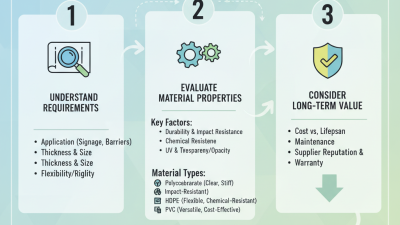
2026 How to Choose Solid Plastic Sheets for Your Next Project?