What is Transparent Polycarbonate and Its Benefits for Buyers?

Transparent polycarbonate is rapidly gaining popularity in various industries. According to a recent market research report, the global polycarbonate market is projected to reach $35 billion by 2026, driven by its extensive applications. Buyers are increasingly attracted to transparent polycarbonate due to its exceptional strength and versatility.

This material is renowned for its high impact resistance. It is nearly 200 times stronger than glass, making it an ideal choice for safety and security features. The optical clarity of transparent polycarbonate allows for maximum light transmission, making it perfect for applications in skylights, eyewear, and outdoor displays.

However, potential buyers should also consider challenges. For instance, polycarbonate can yellow over time when exposed to UV light. Real-world experience indicates that proper treatment and protective coatings can mitigate this issue. Understanding these factors is essential for making informed purchasing decisions.

What is Transparent Polycarbonate and Its Benefits for Buyers?

What is Transparent Polycarbonate?

Transparent polycarbonate is a versatile thermoplastic known for its clarity and strength. This material is often used in various applications, including eyewear lenses, safety glasses, and protective shields. Its high impact resistance makes it a reliable choice for environments requiring durability. The lightweight nature of polycarbonate allows for easy handling and installation in different projects.

In addition to its strength, transparent polycarbonate offers excellent optical properties. It provides high transparency, ensuring clear visibility. This can be crucial for architecture and signage where aesthetics matter. However, some users may find the susceptibility to scratching problematic. Regular maintenance can mitigate this issue, but awareness is essential for optimal use.

Consumers should appreciate polycarbonate's weather resistance. It withstands harsh environmental conditions while maintaining structural integrity. Yet, potential buyers must consider the material’s UV sensitivity. Although some products offer UV protection, not all do. Researching options and consulting with experts can help ensure informed decisions.

Key Properties of Transparent Polycarbonate Material

Transparent polycarbonate is a versatile material known for its unique properties. One of its most significant features is its exceptional impact resistance. Unlike glass, polycarbonate can endure high impacts without shattering. This makes it an excellent choice for applications requiring durability and safety, such as in protective equipment and safety glasses.

Another key property is its lightweight nature. Polycarbonate weighs significantly less than glass, which simplifies handling and installation processes. This characteristic also reduces the overall structural load in construction projects. Furthermore, the material offers excellent thermal insulation, helping to maintain comfortable environments while contributing to energy efficiency in buildings.

However, transparent polycarbonate can be prone to scratching and requires proper care to maintain its clarity. Without maintenance, it may lose its optical quality over time. Users should consider protective coatings to enhance durability. Understanding these properties helps buyers make informed decisions when selecting materials for their projects.

Advantages of Using Transparent Polycarbonate for Consumers

Transparent polycarbonate is a versatile material known for its durability and clarity. Many consumers appreciate its lightweight properties. It is often used in various applications, ranging from eyewear lenses to safety equipment. Its impact resistance makes it a preferred choice for protective gear.

A significant advantage of transparent polycarbonate is its UV resistance. This feature helps protect against harmful sun rays. In addition, the material is highly transparent, allowing for exceptional light transmission, making it ideal for applications requiring visibility. Consumers who prioritize safety also benefit from the material’s shatter-resistant qualities, ensuring protection in case of accidental breakage.

Despite these benefits, some might find polycarbonate susceptible to scratching. This is an aspect that requires attention. Regular maintenance can help mitigate the risks. It's essential to weigh the advantages against potential downsides. Overall, transparent polycarbonate provides significant value for consumers looking for reliable and safe options in various settings.

Applications of Transparent Polycarbonate in Various Industries

Transparent polycarbonate is a versatile material widely utilized across various industries, thanks to its unique properties. In the construction sector, it is used for roofing and glazing due to its impact resistance and high clarity. According to a report by Research and Markets, the global polycarbonate market is projected to reach $3.27 billion by 2024. This growth highlights the increasing demand for durable materials in building design.

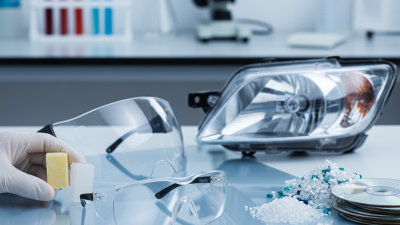
In the automotive industry, transparent polycarbonate is often used in headlight lenses and interior components. The material's lightweight nature contributes to fuel efficiency. A study from MarketsandMarkets indicates that the automotive polycarbonate market will grow by over 5.5% annually. The ability to mold polycarbonate into intricate shapes allows for more ergonomic designs in vehicles. However, challenges remain in terms of scratch resistance and long-term UV stability, which manufacturers still strive to improve.

In the electronics sector, transparent polycarbonate is popular for protective covers and screens. It provides excellent electrical insulation and transparency. A report by Mordor Intelligence shows that the demand for polycarbonate in electronics will continue to rise at a rate of 6.9% annually. Despite its benefits, there are concerns regarding the recycling of polycarbonate, which is essential for sustainable production. Addressing this issue could enhance its reputation as an environmentally friendly choice.

Comparing Transparent Polycarbonate with Other Plastic Options

Transparent polycarbonate is a remarkable plastic option known for its clarity and impact resistance. When comparing it with alternatives like acrylic or glass, several factors highlight its advantages. According to a market analysis by the Global Market Insights Group, polycarbonate is about 250 times stronger than glass, making it ideal for high-security applications. Buyers seeking durable yet lightweight materials often lean towards polycarbonate, especially in industries such as construction and automotive.

While acrylic is another popular plastic, it lacks the superior impact resistance of polycarbonate. Reports indicate that polycarbonate can withstand temperatures ranging from -40 to 120 degrees Celsius, while acrylic typically falters in extreme conditions. Despite its strengths, polycarbonate is slightly more expensive than acrylic. However, the durability and longevity it offers may justify the investment.

One limitation is that polycarbonate can scratch more easily than acrylic. This trade-off is crucial for buyers to consider. In situations where optical clarity is vital, using polycarbonate may necessitate an extra protective coating. Understanding these nuances helps buyers make informed decisions tailored to their specific applications. Each option has its merits and downsides, emphasizing the importance of practical needs over theoretical benefits.