Top 5 Plastic Sheet Material Options for Your Business Needs?
Choosing the right plastic sheet material can significantly impact your business operations. Various materials serve different needs, making selection crucial. This article explores the top five options that stand out.
Plastic sheet materials vary in properties and applications. From durability to flexibility, each type offers unique advantages. Understanding these differences helps businesses make informed decisions. Reflecting on your specific requirements is vital; considerations include strength, weight, and budget constraints.
Remember, not all materials are created equal. Some may suit your immediate needs but falter in the long run. Therefore, a careful evaluation of each type’s benefits and limitations is necessary. This guide aims to illuminate your path toward optimal choice in plastic sheet materials.
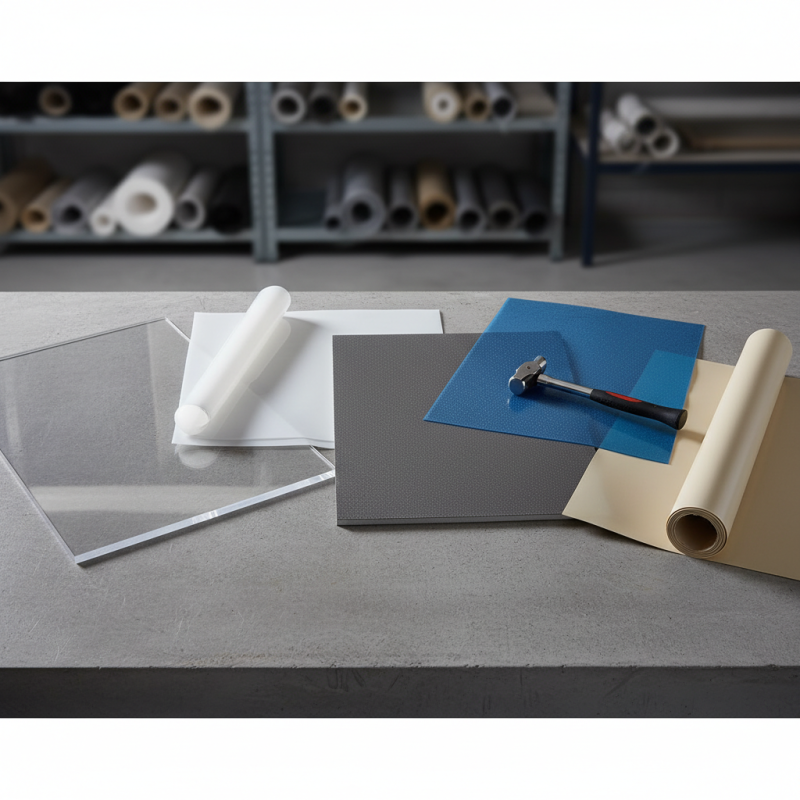
Understanding Different Types of Plastic Sheet Materials
When it comes to plastic sheet materials, understanding the options is vital for businesses. Polycarbonate sheets are known for their impact resistance. They can withstand heavy force, making them suitable for safety glazing and riot shields. According to a report by the Freedonia Group, the demand for polycarbonate products is projected to reach 1.1 billion pounds by 2025. This highlights their growing importance in various industries.
Acrylonitrile Butadiene Styrene (ABS) is another popular choice. It is lightweight and offers excellent durability. ABS sheets are often used in automotive parts and home appliances due to their strength. Industry data suggests that ABS consumption in applications is on the rise, primarily because of its cost-effectiveness and versatility.
Polystyrene is also noteworthy. It’s commonly used for signs and displays. Easy to fabricate, polystyrene sheets can be lightweight yet sturdy. However, its low UV resistance can be a drawback. Businesses should weigh these factors when selecting materials. By understanding the strengths and weaknesses of these plastics, companies can better meet their specific needs.
Key Properties to Consider When Choosing Plastic Sheets
When selecting plastic sheets for your business needs, consider key properties that can significantly affect your decision. Think about durability and impact resistance. Some materials are strong but heavy, while others prioritize flexibility. Different projects will require different strengths. The choice between rigidity and flexibility can make or break your project’s success.
Another crucial property is UV resistance. If your sheets will be exposed to sunlight, UV stability becomes vital. Sheets that are not UV resistant will degrade over time, losing their clarity and strength. This factor is often overlooked but can lead to higher replacement costs down the line.
**Tips:** Always request samples before committing. Testing materials in real conditions can reveal unexpected flaws. Additionally, take time to review your needs thoroughly. Overlooking specific requirements may lead to unnecessary expenses. Lastly, consult with experts to gain deeper insights into the best material for your unique application.
Top 5 Plastic Sheets for Durability and Performance
When selecting plastic sheets for durability and performance, several materials stand out. Polycarbonate, known for its exceptional impact resistance, is a popular option. According to a recent industry report, polycarbonate sheets can withstand up to 250 times the impact of glass, making them ideal for high-traffic areas. Their lightweight nature also contributes to ease of handling and installation, a significant advantage for businesses.
Another strong contender is acrylic. With a clarity higher than that of glass, acrylic sheets often excel in aesthetic applications. An industry study indicates that acrylic sheets can block up to 98% of UV rays, protecting products displayed under them. However, they are not as scratch-resistant as polycarbonate, highlighting a need for careful handling and maintenance.
While both options are versatile, understanding the specific requirements of your business is crucial. Factors like exposure to chemicals, temperature changes, or the environment will affect performance. It's essential to weigh the pros and cons of each material carefully. Overlooking these details may lead to premature failure of the sheets, causing unexpected costs. Business owners should keep in mind that even top-performing materials have their limits and vulnerabilities.
Top 5 Plastic Sheet Material Options for Your Business Needs
Applications and Industries Using Plastic Sheet Materials
Plastic sheet materials serve various industries due to their versatility. They are widely used in construction, signage, and packaging. According to a report from Smithers Pira, the global plastic sheets market is expected to reach $40 billion by 2025, showcasing strong growth.
In the construction sector, plastic sheets are valued for their durability and weather resistance. They are often utilized for safety barriers and window glazing. A study conducted by the American Society for Testing and Materials (ASTM) revealed that polycarbonate sheets, for example, offer impact resistance nearly 200 times greater than glass. This characteristic makes them ideal for environments where safety is a priority.
Signage applications also benefit from plastic materials. Acrylic sheets, known for their clarity, are commonly used for illuminated signs. However, not all plastic sheets deliver long-term performance. Factors like UV exposure can degrade certain materials over time. Thus, businesses must choose wisely to ensure longevity and maintain aesthetic appeal. This decision-making process requires an understanding of material properties and environmental conditions in which they will be used.
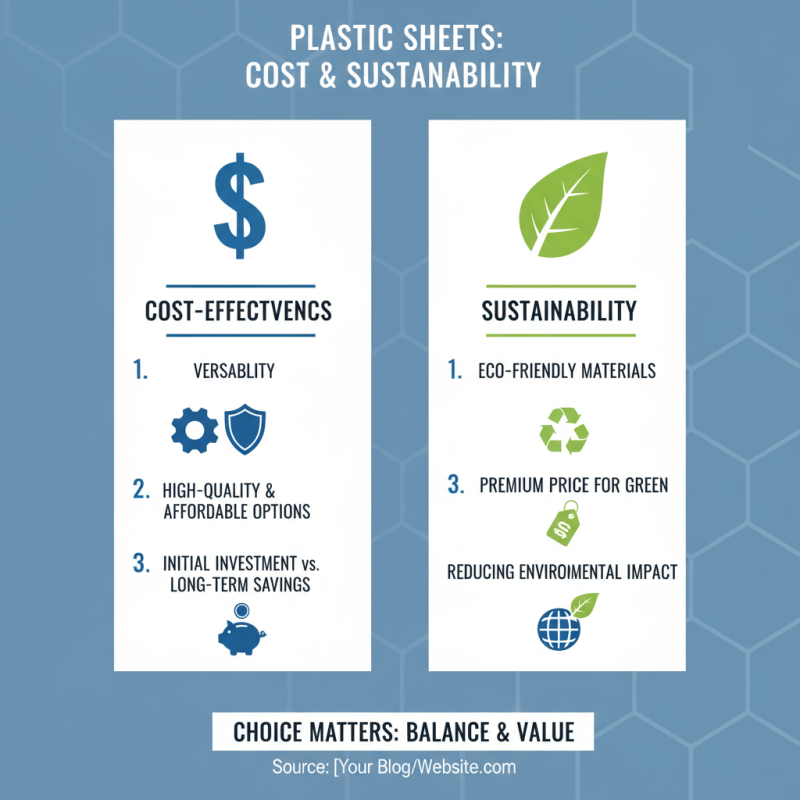
Cost-Effectiveness and Sustainability of Plastic Sheets
Plastics have long been essential in various industries due to their versatility. When businesses consider plastic sheets, cost-effectiveness and sustainability are crucial factors. Not all options are created equal. Some materials can be high-quality yet affordable, while others offer eco-friendliness at a premium price.
Polycarbonate sheets, for instance, provide durability and moderate pricing. They resist impact and weathering. However, they are not biodegradable. In contrast, options like recycled PVC sheets offer sustainability but might have limited performance. Costs can fluctuate, requiring businesses to assess their budget and long-term needs carefully.
Every choice comes with trade-offs. While cost-saving options might seem logical, they could lack the durability needed for longevity. Sustainable choices often require larger initial investments but can enhance brand image. Finding the right balance is vital. It’s a complex landscape that demands reflection on each material's effectiveness and its long-term impact on the environment.
Related Posts
-
2026 How to Use PC Sheets for Efficient Workflow Optimization?
-
What are Solid Plastic Sheets? A Comprehensive Guide to Their Uses and Benefits
-

Top 10 Benefits of Using Transparent Sheets for Your DIY Projects
-

How to Use Opaque Plastic Sheeting for Effective Light Blockage and Privacy
-

2025 How to Choose Clear Plastic Sheets for Maximum Durability and Versatility
-

Top Benefits of Using Coloured Plastic Sheets in 2025 for Your Projects