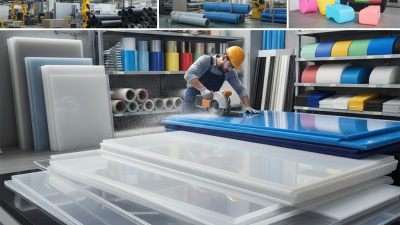
What is Polycarbonate Plastic and Its Key Benefits?
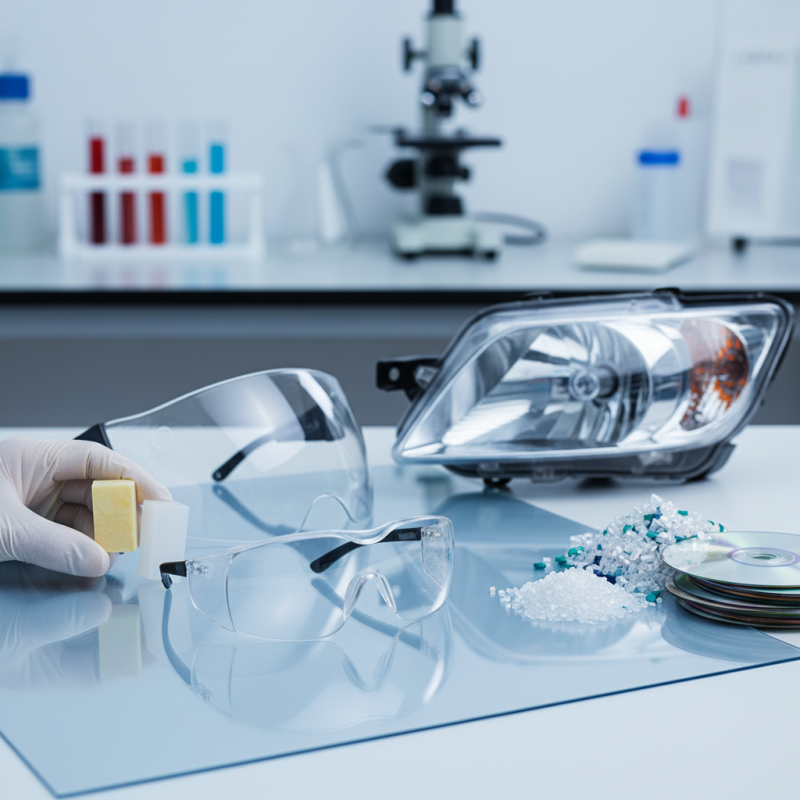
Polycarbonate plastic has become essential in various industries due to its remarkable properties. Dr. Emily Chen, a leading expert in materials science, highlights, “Polycarbonate plastic combines strength with versatility.” This unique plastic is known for its high impact resistance and lightweight nature, making it ideal for applications like eyewear lenses, safety gear, and automotive components.
Despite its many benefits, polycarbonate plastic is not without flaws. Some forms can become yellowed over time due to UV exposure. Moreover, the recycling process for these plastics poses significant challenges. The balance of utility and environmental impact is crucial.
Understanding polycarbonate plastic involves grasping both its advantages and limitations. Its durability and clarity make it popular, yet sustainability concerns linger. As more industries adopt polycarbonate plastic, addressing these issues becomes increasingly vital for future innovation.
What is Polycarbonate Plastic?
Polycarbonate plastic is a versatile thermoplastic known for its exceptional strength, impact resistance, and transparency. It's often used in applications where durability and clarity are essential. In fact, polycarbonate can withstand impacts up to 250 times greater than glass. This makes it ideal for industries ranging from construction to electronics.
One of the key benefits of polycarbonate plastic is its lightweight nature. It is nearly half the weight of glass, which simplifies transportation and handling. Furthermore, it can be easily molded into various shapes, allowing for creative designs. According to a recent industry report, the global market for polycarbonate is projected to reach $25 billion by 2025. This growth reflects its wide adoption in automotive, medical, and consumer products.
Tips: When selecting polycarbonate, consider thickness for added durability. Thicker sheets often resist scratching better, though they may be heavier. Additionally, it’s crucial to assess UV stability, especially for outdoor applications. Not all polycarbonates offer the same level of protection against yellowing. Some products might not meet high standards of optical clarity, so check specifications carefully before purchasing.
The Properties of Polycarbonate Plastic
Polycarbonate plastic is known for its impressive properties. This thermoplastic material excels in impact resistance, withstanding over 250 times the force of glass. A key benefit is its lightweight nature. Polycarbonate weighs about half as much as glass, making it easier to handle and install in various applications.
It is also highly transparent. Polycarbonate transmits over 90% of visible light. This quality makes it ideal for applications requiring clarity, like safety glasses and greenhouse panels. Despite its advantages, polycarbonate is susceptible to scratches. Protective coatings can mitigate this issue but may add complexity to production.
Additionally, polycarbonate has a temperature resistance range from -40°C to 120°C. This allows for diverse uses in extreme conditions. However, its degradation under prolonged UV exposure raises concerns. Although UV stabilizers are available, they can increase costs. The balance of benefits versus limitations is something many engineers must evaluate carefully.
What is Polycarbonate Plastic and Its Key Benefits? - The Properties of Polycarbonate Plastic
| Property |
Description |
| Impact Resistance |
Polycarbonate is known for its high impact resistance, making it ideal for use in safety equipment and eyewear. |
| Lightweight |
It is significantly lighter than glass, making it easier to handle and install, especially in large applications. |
| Thermal Resistance |
Polycarbonate has a high melting point and maintains its shape and properties over a wide temperature range. |
| UV Resistance |
With proper treatment, polycarbonate can resist UV radiation, making it suitable for outdoor applications. |
| Optical Clarity |
Polycarbonate offers excellent optical clarity, which makes it a preferred choice for eyewear and transparent applications. |
| Versatility |
It can be easily molded into various shapes and sizes, enabling its use in a wide range of industries. |
| Chemical Resistance |
Polycarbonate is resistant to certain chemicals, which enhances its longevity in various environments. |
Key Benefits of Using Polycarbonate in Various Applications
Polycarbonate plastic stands out due to its unique properties. It is lightweight yet incredibly strong. This material can withstand extreme temperatures and impacts. According to a market research report, the polycarbonate market was valued at over $2 billion in 2021 and is expected to grow significantly. The versatility of polycarbonate makes it ideal for various applications, including eyewear lenses, safety equipment, and electrical components.
One of the key benefits of polycarbonate is its excellent transparency. It allows up to 90% light transmission, making it an excellent choice for applications like greenhouses and lighting fixtures. Additionally, its UV resistance ensures durability in outdoor settings. In fact, buildings use polycarbonate sheets for their energy efficiency. They provide insulation while allowing natural light to penetrate.
Tips: When selecting polycarbonate for projects, consider your specific needs. Is impact resistance a priority? Look for thicker options. Don't overlook the need for coatings that can enhance its UV protection. Adjusting your choice based on application can lead to improved safety and performance. Always review specifications.
Yet, polycarbonate isn't perfect. It can scratch easily without proper coatings. People often overlook this factor. It's important to balance strength with surface protection. This can save costs from replacements. Small details can lead to big changes in project outcomes.
Benefits of Polycarbonate Plastic in Various Applications
Comparison of Polycarbonate with Other Plastics
Polycarbonate is often compared to various plastics like acrylic and ABS. This comparison highlights its unique advantages. According to industry reports, polycarbonate has a high impact resistance, up to 200 times stronger than glass. This makes it an excellent choice for safety applications. While acrylic is lightweight and has good clarity, it lacks the durability of polycarbonate.
Moreover, polycarbonate performs better in extreme temperatures. It can withstand heat up to 135°C without losing shape or strength. In contrast, ABS plastic can warp at lower temperatures. Reports indicate that polycarbonate can be used in applications ranging from eyewear lenses to greenhouses. However, its production can generate more CO2 emissions than other plastics.
Cost is another factor to consider. Polycarbonate is generally more expensive than acrylic and ABS. Users must weigh these aspects carefully before making a choice. For projects requiring transparency and strength, polycarbonate often emerges as the top choice. But in situations where cost is critical, alternatives may be more suitable. The decision largely depends on specific needs and environmental impact considerations.
Sustainability and Recyclability of Polycarbonate Plastic
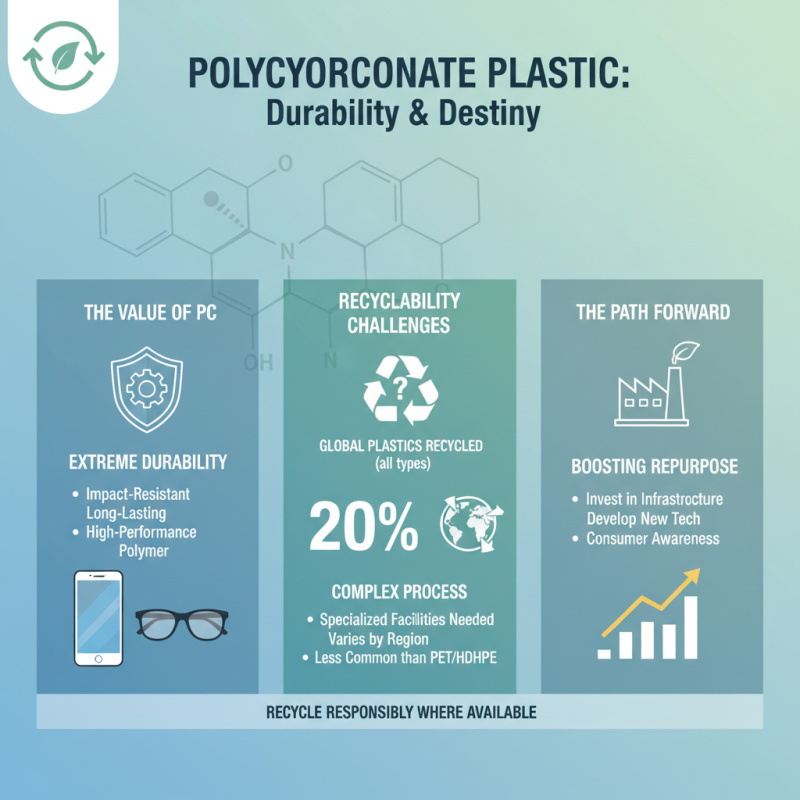
Polycarbonate plastic (PC) is highly valued for its durability. However, its implications for sustainability are complex. While polycarbonate is recyclable, the process is not as straightforward as with other plastics. Studies show that only about 20% of plastics are recycled globally. This raises questions about how much of polycarbonate actually gets repurposed. The recycling capabilities for PC often depend on local facilities and infrastructure, which varies widely.
When evaluating polycarbonate’s sustainability, energy usage during production must be considered. Reports indicate that creating virgin polycarbonate emits significant greenhouse gases. This creates a paradox: a material known for sturdiness may contribute to environmental challenges. Potentially, the solution lies in the development of more efficient recycling methods or bio-based alternatives. Less than 10% of manufacturers account for end-of-life scenarios in their production processes. This oversight calls for urgent reevaluation in material sourcing and lifecycle management.
Despite these challenges, some advancements have been made. Recent innovations can help improve recyclability rates, increasing the potential for closed-loop systems. However, the industry must actively advocate for systems that promote better collection and recycling. If these solutions do not materialize, the promise of polycarbonate may be overshadowed by its environmental footprint. The journey towards sustainability is fraught with hurdles, yet it is vital for the future of this versatile plastic.