What is Plastic Film and How is it Used in Industries?
In today’s manufacturing landscape, plastic film plays a pivotal role across various industries. From packaging and agriculture to medical applications, its versatility is unmatched. Expert in materials science, Dr. Emily Roberts, highlights, “Plastic film has transformed how we protect and transport goods.” This reflection underscores its importance in modern processes.
Plastic film comes in various types, including polyethylene and polypropylene. These materials are lightweight yet strong, making them ideal for countless applications. For instance, the food industry relies heavily on plastic film for safe packaging. This not only preserves freshness but also extends shelf life. However, reliance on plastic can sometimes lead to environmental concerns.
Industries face challenges regarding sustainability and reuse. As the demand for eco-friendly alternatives rises, innovation within the plastic film sector is crucial. Companies are exploring biodegradable options to mitigate waste. This ongoing evolution showcases the need for reflection on the balance between utility and environmental responsibility in the realm of plastic film.
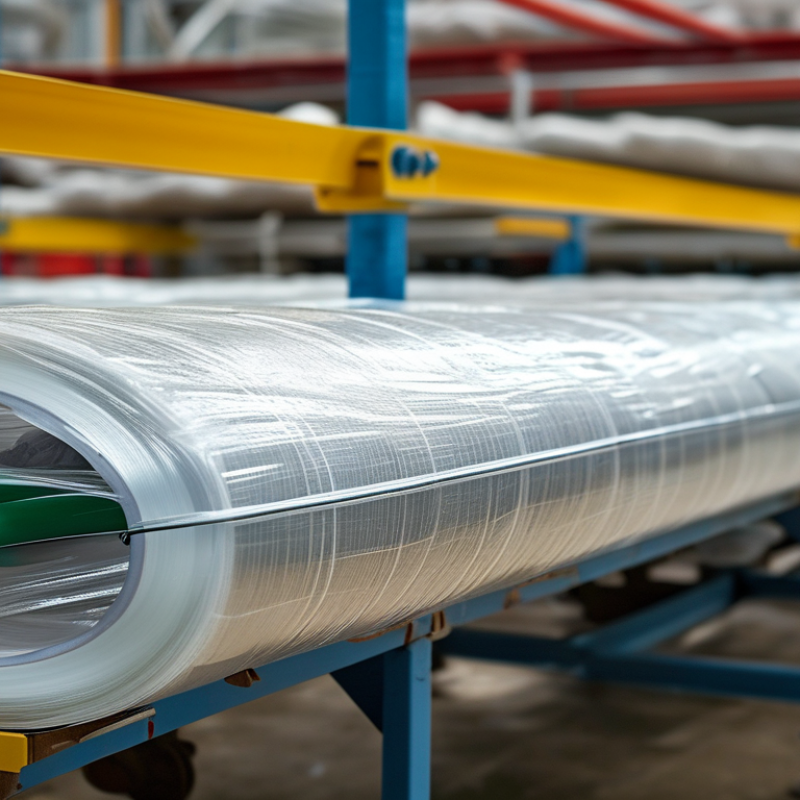
What is Plastic Film: Definition and Composition
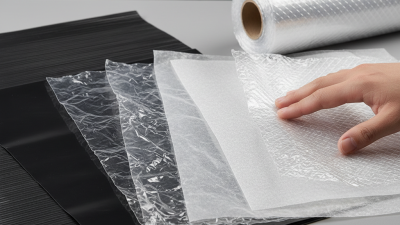
Plastic film is a versatile material made from polymers. It is typically thin and flexible, often produced through extrusion or casting processes. The most common types of plastic films include polyethylene, polypropylene, and PVC. Each type has distinct properties, making them suitable for various applications. For instance, polyethylene film is often used in packaging due to its excellent moisture barrier. Polypropylene film, on the other hand, boasts superior clarity and strength, making it ideal for food packaging as well.
Plastic film composition varies significantly. Common ingredients include additives that enhance durability, flexibility, and UV resistance. These additives play a crucial role in improving the film's performance. However, the environmental impact of plastic film production raises concerns. Many industries are now seeking eco-friendly alternatives or recycling methods.
Consider using plastic film more efficiently. Avoid using excessive packaging material. Look for biodegradable options when possible. Additionally, recycling existing plastic film can help reduce waste. On another note, keep in mind that not all plastic films are recyclable. Each type has specific requirements, so it's essential to check local recycling guidelines. This awareness can help you make informed decisions.
Types of Plastic Film Used in Various Industries
Plastic film is a versatile material with a wide range of applications across various industries. Different types of plastic film serve unique purposes, significantly impacting manufacturing processes. For example, polyethylene film is commonly used for packaging due to its flexibility and moisture resistance. Reports indicate that the global demand for polyethylene film reached over 35 million tons in 2022, highlighting its crucial role in food packaging and agricultural applications.
In the electronics sector, polyvinyl chloride (PVC) film is essential for insulation and protective coverings. Its chemical resistance and durability make it ideal for electronic devices. According to industry analysis, the PVC film market is projected to grow by 5.4% annually through 2026. This growth underscores the increasing reliance on PVC film in producing electronic components, ensuring safety and functionality.
Another significant type is polyester film, widely utilized in the photographic and insulation industries. Its high tensile strength and thermal resistance are key attributes. As per recent studies, the polyester film industry is forecasted to expand by 6% in the next five years. However, the environmental impact of plastic production and disposal raises concerns that need addressing. The industry must look towards sustainable alternatives to minimize ecological damage while meeting its diverse needs.
Manufacturing Processes of Plastic Film
Plastic film is a versatile material widely used across various industries. The manufacturing processes of plastic film are key to its diverse applications. Extrusion is one of the primary methods. In this process, plastic granules are heated until they melt. The molten plastic is then pushed through a die to form a thin film. This method is popular due to its efficiency and ability to produce continuous rolls of film.
Casting is another common technique. Here, the melted plastic is poured onto a flat surface and allowed to cool. This method provides superior thickness control and is ideal for applications requiring high clarity. Moreover, it’s essential to monitor temperature closely during casting to avoid imperfections like bubbles.
It’s crucial to choose the right manufacturing process based on desired film characteristics. For example, extrusion may lead to a stronger film, while casting can offer better optical clarity. Always consider the end-use of the film to determine the appropriate technique. Additionally, keep in mind that variations in raw material quality can impact the final product significantly. Regular quality checks are necessary to ensure consistency throughout production.
Applications of Plastic Film in Packaging and Protection
Plastic film plays a crucial role in various industries, particularly in packaging and protection. Its lightweight nature makes it an ideal choice for wrapping products. For instance, food items often rely on plastic film to maintain freshness and extend shelf life. When food is wrapped tightly in plastic, it prevents contamination and exposure to air, which can spoil it quickly. This simple application significantly reduces food waste and saves money.
In packaging, plastic films are versatile. They are used in shrink wrapping, ensuring that products are secured and presentable. However, the environmental impact of plastic waste raises concerns. Many businesses are seeking alternatives, yet plastic film remains a primary choice due to its effectiveness. Despite improvements, the disposal of plastic films continues to challenge sustainability efforts. Companies are exploring biodegradable options and recycling methods, but progress is slow. The reliance on plastic film in industries reflects the need for innovative solutions to balance functionality and environmental responsibility.
Environmental Impact and Recycling of Plastic Film
Plastic film is widely used across various industries for its versatility and cost-effectiveness. However, its environmental impact is a growing concern that warrants attention. According to a report by the World Economic Forum, about 300 million tons of plastic are produced each year, with a significant portion used in packaging as plastic film. Most of this film ends up in landfills or oceans, where it takes hundreds of years to decompose, posing risks to wildlife and ecosystems.
Recycling rates for plastic film remain low, with less than 10% currently being processed. This is partly due to the contamination from food residues and the mixed materials often found in plastic film. The American Chemistry Council highlights that only around 1% of plastic film is recycled into new film products. It is crucial for industries to improve recycling processes and invest in biodegradable alternatives. Efforts need to be made at the consumer level as well. Many households lack awareness of proper disposal methods for plastic film, which complicates recycling efforts.
Despite the promise of recycling technologies, challenges persist. Innovations are needed to address the complexity of materials used in plastic film. Collaborations among businesses, governments, and consumers are essential. Commitment to sustainable practices can lead to a more circular economy, yet achieving this goal requires time and significant changes in behavior. The journey towards sustainable plastic film usage may be long and fraught with obstacles.
Plastic Film Usage in Various Industries