How to Use Opaque Plastic Sheeting for Effective Light Blockage and Privacy
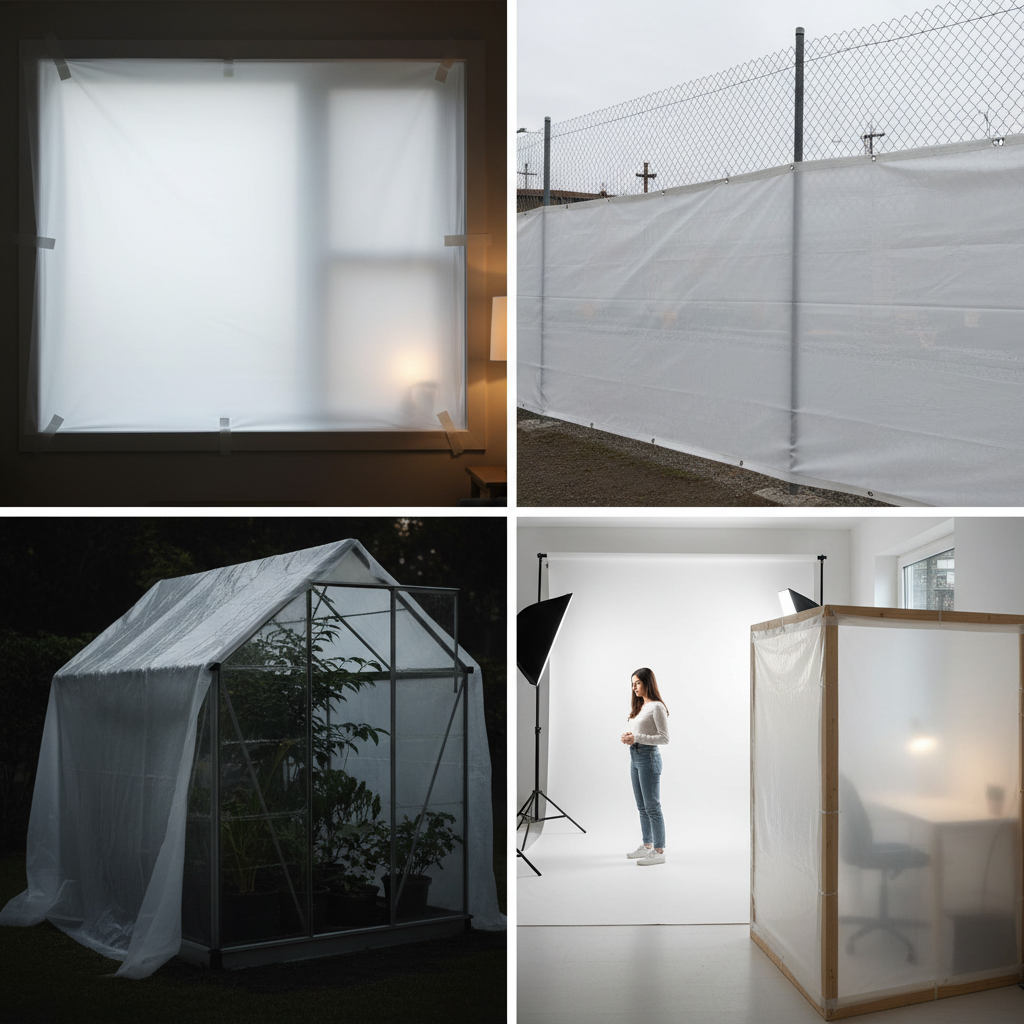
In the quest for enhanced privacy and effective light blockage, opaque plastic sheeting stands out as a versatile solution widely embraced across various sectors. Paul Hayes, a leading expert in the plastic materials industry, emphasizes its significance, stating, "Opaque plastic sheeting not only provides a barrier against unwanted light but also ensures personal space in crowded environments." The utility of this material extends from home applications, such as window coverings and greenhouse shading, to commercial ventures like construction sites and photography studios.
As urban living spaces become increasingly compact, the demand for products that can create privacy without compromising light control has surged. Opaque plastic sheeting serves as a cost-effective and durable option for consumers looking to maintain a balance between natural illumination and seclusion. In this article, we will explore the top five ways to effectively utilize opaque plastic sheeting, ensuring you can make informed decisions that cater to your specific needs while maximizing its benefits. Whether you're a DIY enthusiast or a professional in need of reliable materials, understanding this versatile product can lead to innovative applications and improved quality of life.
Understanding the Properties of Opaque Plastic Sheeting for Light Blockage
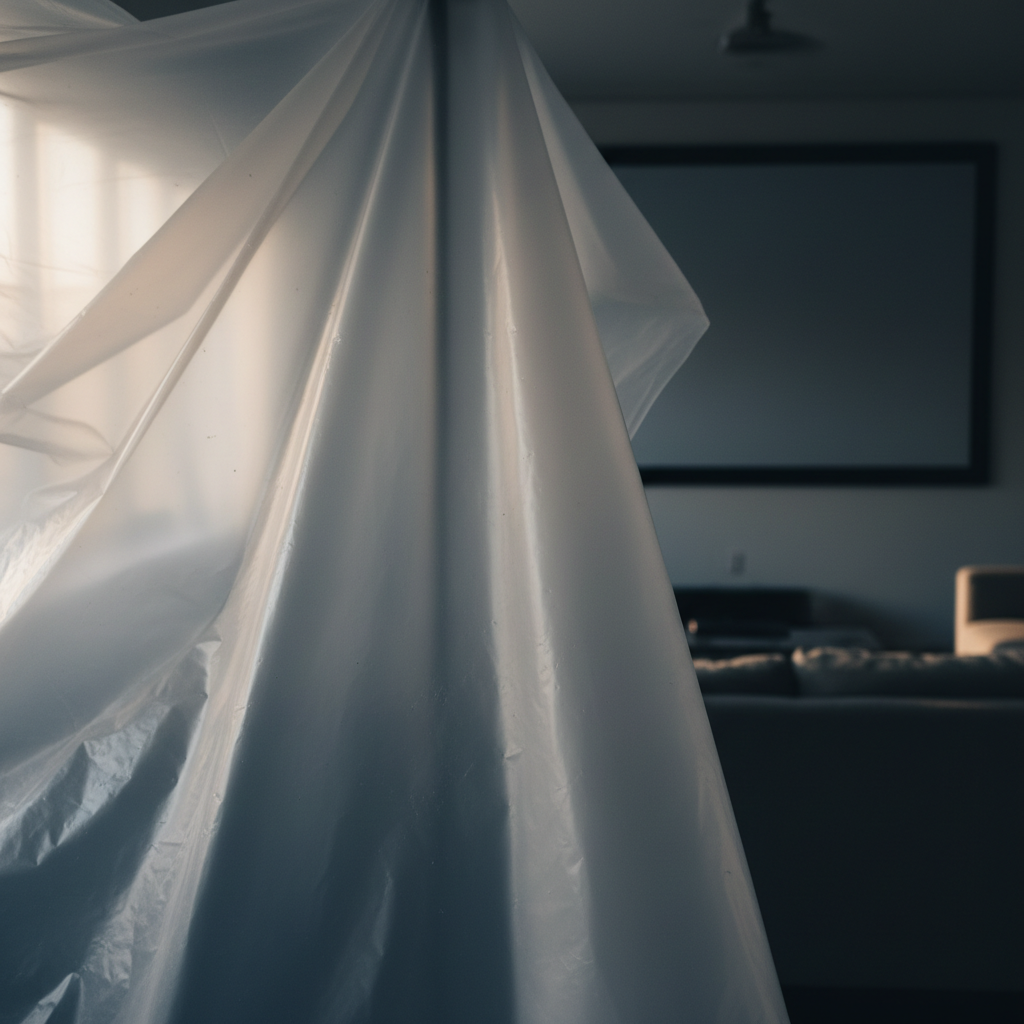
Opaque plastic sheeting is a versatile material that serves a crucial role in light blockage and privacy. It is typically made from polyethylene or vinyl, offering a dense structure that prevents light penetration effectively. Reports from the American Society of Plastic Manufacturers indicate that opaque sheeting can block up to 99% of UV rays, making it an excellent choice for creating dark environments or shielding sensitive materials from sunlight. This characteristic is particularly beneficial in settings such as photography studios, home theaters, or for privacy in residential spaces.
When employing opaque plastic sheeting, consider the installation method to maximize its effectiveness. Tensioning the material correctly can enhance its light-blocking capabilities. For DIY enthusiasts, tips include using adhesive hooks or clips to secure the edges of the sheeting without damaging surfaces. Additionally, layering the sheets can further reduce light leakage while improving insulation and sound dampening in a variety of environments.
Choosing the right thickness is also essential; thicker sheeting can provide better privacy and noise reduction. According to the International Plastic Waste Association, using 6-mil or thicker sheeting is often recommended for optimal performance in light blockage applications. This thickness not only ensures durability but also contributes to a more complete barrier against both light and intrusive sounds.
Types of Opaque Plastic Sheeting Available in the Market
When considering opaque plastic sheeting for effective light blockage and privacy, it's essential to explore the different types available in the market. The most common options include polyethylene, vinyl, and polyester sheeting. According to a recent industry report by Grand View Research, the global market for plastic sheeting is expected to reach $10.4 billion by 2025, driven by its versatility and capability to provide privacy in both residential and commercial spaces.
Polyethylene sheeting is lightweight and widely used for gardening and construction projects due to its affordability and ease of installation. Vinyl sheeting, on the other hand, offers superior durability and resistance to tearing, making it ideal for outdoor applications. Polyester sheeting provides excellent clarity alongside light-blocking capabilities, particularly useful in scenarios where some visibility is needed without compromising privacy.
Tips: When selecting opaque plastic sheeting, consider the thickness, which is usually measured in mils; thicker options provide better light blockage and durability. Additionally, check for UV resistance if the material will be exposed to sunlight, as this can prolong its lifespan. Finally, always choose a type that suits your specific needs—whether it’s for a greenhouse, construction barrier, or a personal privacy space—to ensure effective results.
Applications of Opaque Plastic Sheeting in Home and Commercial Settings
Opaque plastic sheeting is a versatile material that finds numerous applications in both home and commercial settings. In residential environments, it is often used to create a private sanctuary by blocking outside visibility. Homeowners can utilize opaque sheeting in windows or on outdoor structures such as patios, allowing for a secluded space without compromising on natural light. It is also effective in crafting temporary privacy screens for outdoor gatherings or events, ensuring that guests feel comfortable and shielded from prying eyes.
In commercial settings, opaque plastic sheeting serves a variety of functional purposes. Businesses can employ this material for partitioning office spaces, creating private meeting areas, or even as backdrops for events. Additionally, retail stores may use opaque sheeting to conceal unsightly stock areas or to create a distinct brand image. Its lightweight nature makes installation easy, and it can be easily cleaned or replaced when necessary. This adaptability makes opaque plastic sheeting an ideal solution for enhancing privacy and managing light exposure in diverse environments.
Measuring Effectiveness: Light Transmission Rates of Opaque Plastic Materials
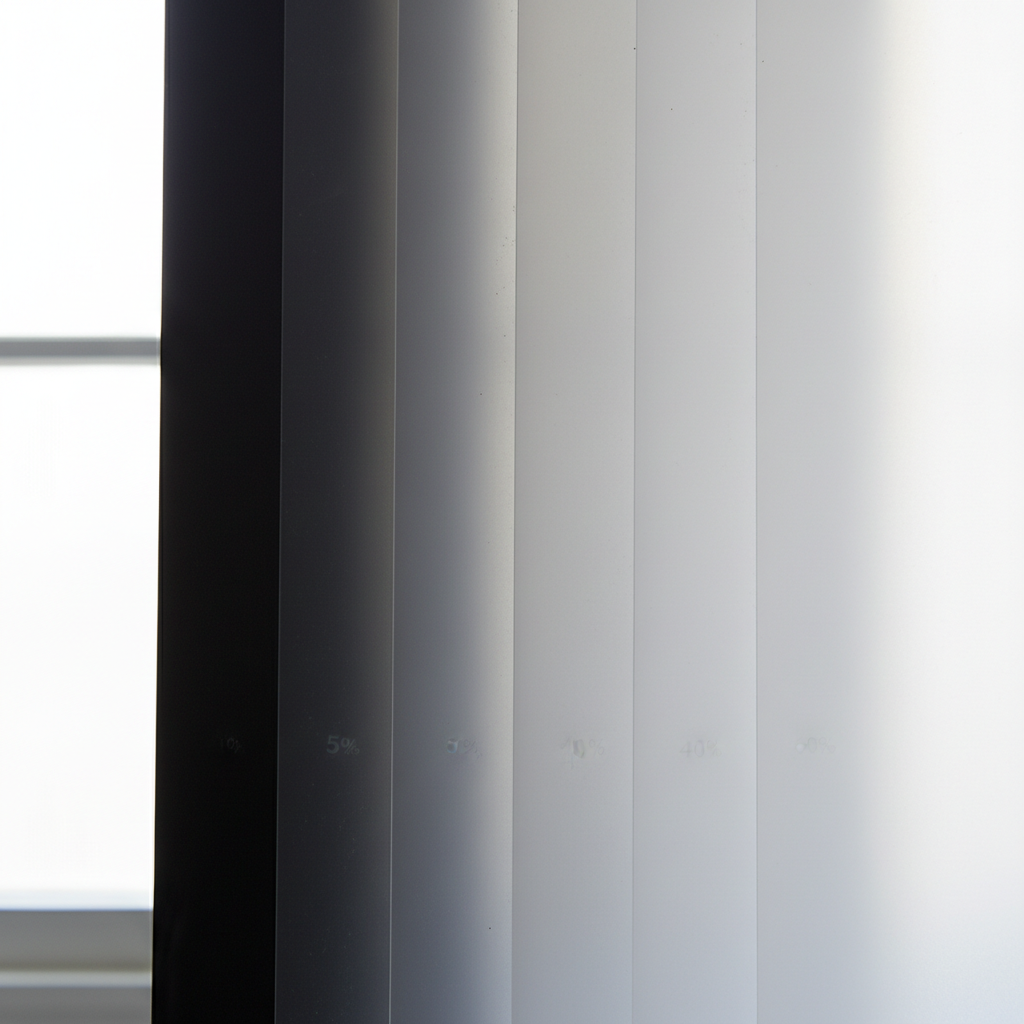
When considering the use of opaque plastic sheeting for effective light blockage and privacy, understanding light transmission rates is crucial. Opaque plastic materials vary significantly in their capacity to block light, which directly influences their effectiveness for specific applications. The light transmission rate, expressed as a percentage, indicates how much light passes through a material. For instance, materials with a transmission rate of 0% are completely opaque, making them ideal for creating dark environments or ensuring maximum privacy.
Measuring the effectiveness of opaque plastics involves not only assessing the light transmission but also considering factors such as thickness and material composition. High-density polyethylene (HDPE) and polyvinyl chloride (PVC) are common choices, each with distinct properties that affect light blockage. When selecting plastic sheeting, one should examine manufacturer specifications for light transmission rates to ensure that the product meets the intended privacy and light control requirements. By prioritizing these measurements, users can make informed decisions, enhancing the effectiveness of their privacy solutions while maximizing light blockage.
Enhancing Privacy with Opaque Plastic: Industry Best Practices and Techniques
Opaque plastic sheeting is an excellent solution for enhancing privacy in various settings, such as homes, offices, and industrial spaces. According to a report by the American Plastic Council, the demand for opaque plastic films is projected to grow at a compound annual growth rate (CAGR) of 4.5% through 2026, reflecting a growing awareness of the benefits these materials bring to privacy and light control. By effectively blocking unwanted views while still allowing for some natural light, opaque sheeting offers an ideal balance that many organizations seek.
Implementing opaque plastic sheeting requires a strategic approach to maximize its effectiveness. Industry best practices suggest using materials with a thickness of at least 6 mils for durability and optimal light-blocking capabilities. Additionally, ensuring proper installation techniques—such as sealing edges and using appropriate adhesives—can greatly enhance the performance of the sheeting. A study conducted by the International Plastic Film Association indicates that when installed correctly, opaque films can reduce light penetration by up to 95%, thereby significantly improving privacy for users.
Effectiveness of Opaque Plastic Sheeting in Light Blocking and Privacy Enhancement