What is Mylar Sheets and How Can They Benefit You?
Mylar sheets, a type of polyester film, are gaining attention for their versatile applications. Known for durability and transparency, they are used across multiple industries. A report from Grand View Research indicates the global market for polyester films is expected to reach USD 26.3 billion by 2026. This underscores the growing demand for materials like Mylar sheets.
Their reflective properties make Mylar sheets ideal for insulation in various settings. For instance, NASA has utilized them in space missions for thermal protection. Meanwhile, the food industry benefits from Mylar's barrier qualities, increasing shelf life significantly. Yet, questions remain about their environmental impact, as recycling methods are still developing. The balance between utility and sustainability invites further discussion.
As Mylar sheets continue to evolve in use and technology, their role in innovation becomes clearer. Industries must assess both the advantages and potential downsides. In the quest for durable and reliable materials, reflection on best practices becomes crucial. Mylar sheets exemplify this ongoing dialogue in material science.

What are Mylar Sheets?
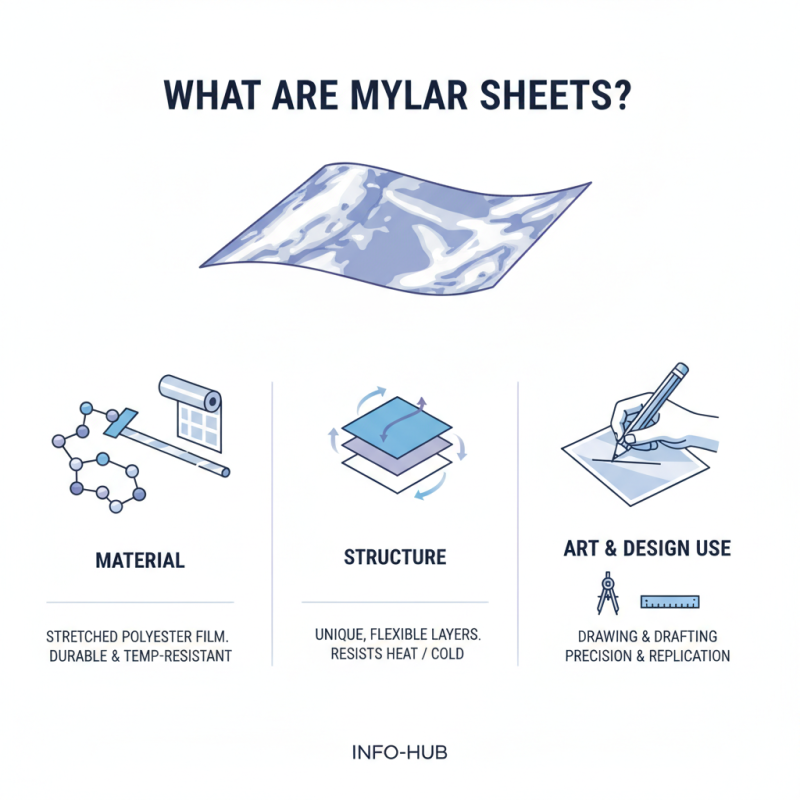
Mylar sheets are versatile materials made from stretched polyester film. They are known for their durability and resistance to temperature changes. This unique structure makes them ideal for various applications. Artists often use Mylar sheets for drawings or drafting. The smooth surface allows for precise work and easy replication.
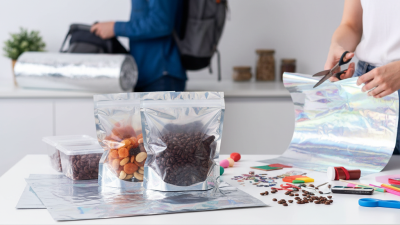
In addition to artistic uses, Mylar sheets are a popular choice for food storage. They effectively block light and oxygen, preserving freshness. Many campers and hikers appreciate Mylar bags for this reason. However, proper sealing is crucial to maximize effectiveness. The thickness of the Mylar sheet can influence the sturdiness of the bag.
Some people find experimenting with Mylar sheets can lead to unexpected results. For instance, not every type of ink adheres well, and some adhesives may not be suitable. This can lead to frustration during projects. A bit of trial and error is often necessary. Understanding these nuances can enhance your experience with Mylar sheets.
The Properties and Composition of Mylar Sheets
Mylar sheets are versatile materials made from polyester film, known for their unique properties. They are composed primarily of polyethylene terephthalate (PET), which provides durability and resistance to moisture and chemicals. As a result, Mylar sheets can withstand various environmental conditions, making them ideal for diverse applications.
According to industry reports, the global Mylar film market is expected to grow significantly. This growth is driven by rising demand in packaging, electrical insulation, and renewable energy sectors. The tensile strength of Mylar sheets is remarkable, with values reaching up to 20,000 psi. This strength, combined with low thickness, ensures efficient use in applications that require light yet durable materials.
Mylar also has excellent barrier properties. Research indicates it offers superior protection against gases and moisture compared to other films. A 2020 study found that Mylar sheets maintained structural integrity even after prolonged exposure to harsh conditions. However, while Mylar provides many benefits, it's essential to note that not every application will benefit from its use. Understanding the specific requirements of a project is crucial in determining whether Mylar sheets are the right choice. The material may not always be the most cost-effective option for every situation, so thorough evaluation is critical.
Benefits of Mylar Sheets
The chart above illustrates the key benefits of Mylar sheets rated on a scale from 1 to 10. These ratings indicate how well Mylar sheets perform in various criteria including durability, moisture resistance, UV protection, chemical resistance, and electrical insulation.
Common Uses of Mylar Sheets in Various Industries
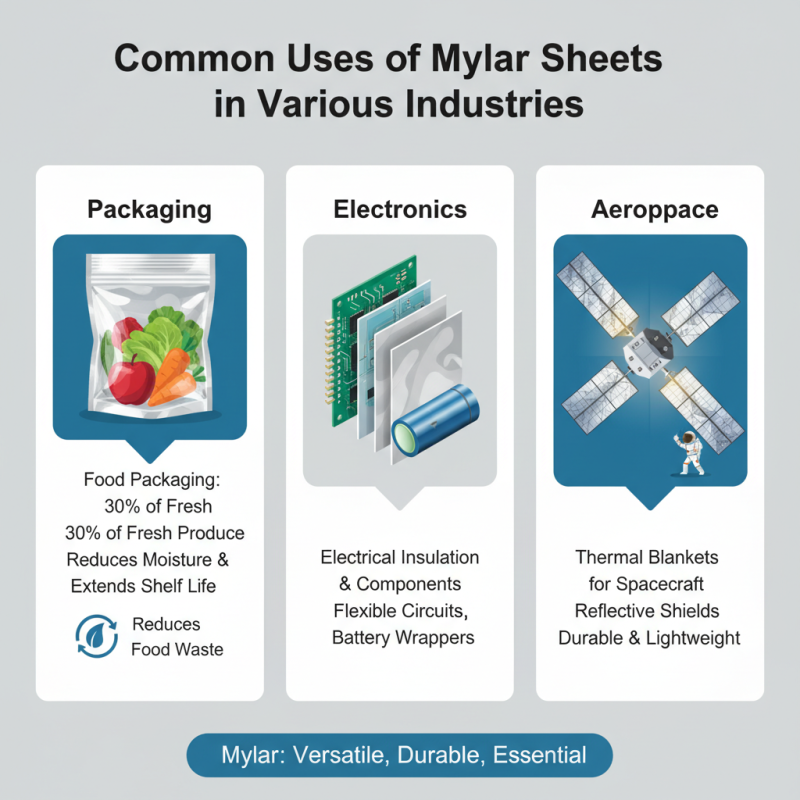
Mylar sheets, made from stretched polyester film, have become essential in various industries due to their versatility and durability. In the packaging sector, Mylar is commonly used for wrapping food products. According to industry reports, around 30% of fresh produce is now packaged using Mylar technology. This helps prolong shelf life by reducing moisture and oxygen exposure. Such packaging techniques can decrease food waste significantly.
In electronics, Mylar sheets are used as insulation due to their excellent electrical properties. They can withstand high temperatures and provide reliable performance. Recent data shows that the demand for Mylar insulation in electronics has increased by approximately 25% over the past three years. However, not all applications are ideal. Some manufacturers find challenges in consistent film thickness, leading to occasional performance issues.
In the textile industry, Mylar is employed for making durable, lightweight fabrics. This innovation enhances outdoor gear, providing weather resistance while remaining breathable. Despite its advantages, users report that not all Mylar fabrics offer the same level of comfort. Finding the right balance between durability and wearability can be difficult. As industries evolve, addressing these nuances in application is critical for maximizing Mylar’s benefits.
Benefits of Using Mylar Sheets for Home and DIY Projects
Mylar sheets are a versatile tool for home and DIY projects. These thin, durable sheets are made from polyethylene terephthalate (PET). They have a reflective surface that can be used in various applications. From insulation to art projects, the possibilities are endless.
Using Mylar sheets can enhance insulation in your home. They can reflect heat back into your living space, helping you save on energy bills. In DIY projects, Mylar can serve as a lightweight, moisture-resistant barrier. This is particularly useful in gardening, where it can protect plants from excessive moisture.
Tips: Ensure proper cutting when working with Mylar. Sharp scissors will give you clean edges. For added safety, use gloves to handle sharp tools. When using Mylar for crafts, test adhesives on a small piece first. This helps avoid unplanned mistakes.
While Mylar sheets are great, they can also be tricky. They can easily get wrinkled or creased, affecting their appearance. If you encounter this issue, gently press them with an iron on low heat. Always use a protective layer between the Mylar and the iron to prevent damage.
What is Mylar Sheets and How Can They Benefit You?
| Aspect | Description |
|---|---|
| Material | Mylar is a type of polyester film that is durable and versatile. |
| Thickness | Mylar sheets come in various thicknesses, typically ranging from 0.1 mm to 0.5 mm. |
| Durability | Highly resistant to tearing, puncturing, and moisture, ensuring longevity. |
| Reflectivity | Mylar’s reflective surface can improve energy efficiency in homes by reflecting heat. |
| Applications | Used in insulation, gardening (as plant covers), and DIY craft projects. |
| Cost-Effectiveness | Affordable option for many applications compared to other materials. |
| Availability | Widely available in craft stores, home improvement stores, and online. |
Tips for Choosing the Right Mylar Sheets for Your Needs
When selecting Mylar sheets, consider your specific needs and application. The thickness of the sheet plays a vital role in its durability and insulation properties. Thicker sheets provide better protection against moisture and temperature fluctuations. However, they can be more challenging to handle and may limit flexibility. Examine your requirements carefully to choose the right thickness.
Transparency is another key factor. Mylar sheets come in various transparency levels, from completely transparent to opaque. If you need visibility, opt for clearer variants. For projects requiring light diffusion, frosted options work well. The choice of finish will impact how the material interacts with light and colors. Ensure you think about the aesthetic aspect for art projects or displays.
Consider the intended use. Whether for crafting, insulation, or storage, your choice will vary. For instance, sheets meant for insulation should have excellent reflectivity. Conversely, sheets used for packing need to be tear-resistant. It’s worth noting that some may underestimate the importance of the right Mylar sheets, leading to less effective results. Re-evaluating your selection process can significantly enhance your project's outcome.
Related Posts
-
Top Uses of Mylar Sheets in Everyday Life
-

2026 Best Plastic Sheet Material Options for Every Need?
-
2026 How to Cut and Shape Lucite Sheets for Your Next Project?
-

Why Choose Clear Polycarbonate for Your Next Project?
-

Top Benefits of Using Polycarbonate Sheets for Your Home and Projects
-
What is Polycarbonate Sheets and How Are They Used?