10 Essential Tips for Choosing the Right Plastic Sheet Material

Choosing the right plastic sheet material can be daunting. With so many options available, each type offers unique benefits and drawbacks. This decision impacts both durability and functionality. Think about the specific requirements of your project. Will you need flexibility, clarity, or UV resistance?

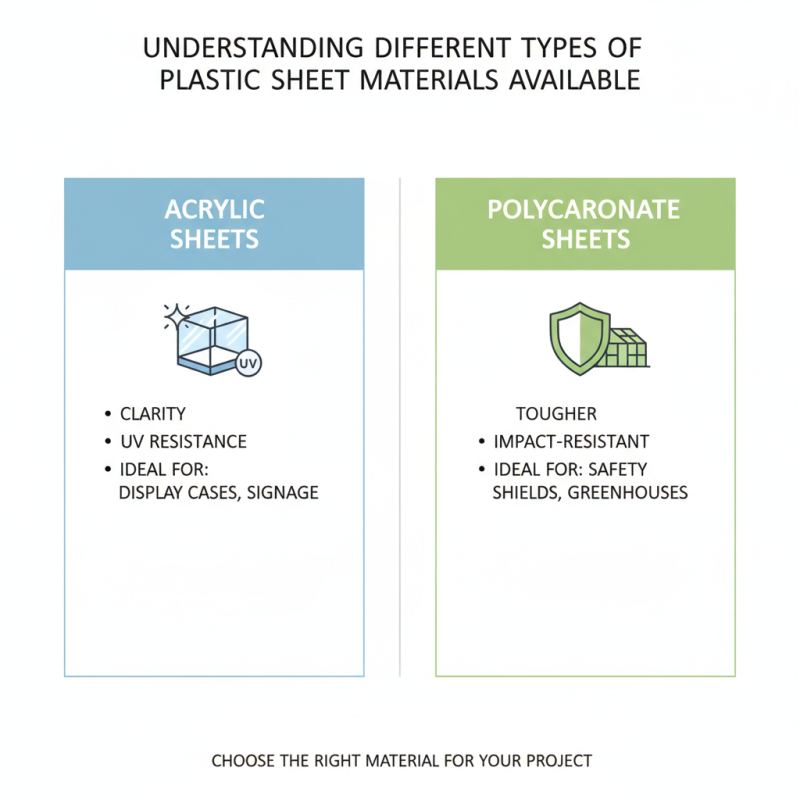
Understanding the properties of different plastic sheet materials is essential. For instance, polycarbonate is strong yet lightweight, making it ideal for safety applications. Acrylic, on the other hand, provides excellent clarity but can scratch easily. Ensuring you have the right material is crucial for achieving your project’s goals.

Before making a choice, reflect on your needs. Consider the environmental conditions your plastic sheet will face. Take time to weigh the pros and cons of each option. Sometimes, opting for a less popular material may yield better results. Remember, selecting the best plastic sheet material is not just about immediate needs; it's about long-term satisfaction.

10 Essential Tips for Choosing the Right Plastic Sheet Material

Understanding Different Types of Plastic Sheet Materials

10 Essential Tips for Choosing the Right Plastic Sheet Material

When selecting the right plastic sheet material, it's crucial to understand the different types available. Common options include acrylic, polycarbonate, and PVC. Each type has unique properties suited for various applications. For instance, acrylic is lightweight and clear, making it ideal for displays. Polycarbonate, on the other hand, is known for its impact resistance. It can be a great choice for safety applications.

Tip: Always consider the environment where the sheet will be used. Will it be exposed to sunlight? If yes, UV resistance is vital. PVC sheets are typically more affordable and can ease the budget. However, they may not be the best in terms of durability. So, weigh your options carefully.

There might be times when you feel unsure about your choice. That’s okay. Take the time to review your needs again. Sometimes, mixing materials can be a solution. You could pair a strong base with a more flexible top. This can enhance performance in certain situations.

Think of how the sheet will be manufactured too. Some materials can warp during cutting. Make sure you have a clear plan to avoid such issues.

Key Properties to Consider When Selecting Plastic Sheets

When selecting plastic sheets, key properties can significantly influence your decision. Thickness is crucial. Thicker sheets often provide better strength and durability. Flexibility is another factor. Some projects require sheets that can bend without breaking. Consider the environment too. UV resistance is important for outdoor applications. It helps in preventing material degradation from sunlight.

Transparency varies among plastic sheets. Clear materials work well for displays. Opaque sheets can provide privacy or block light. Also, different materials offer various chemical resistances. For instance, some plastics withstand acids while others do not. You'll need to assess what conditions the sheet will face.

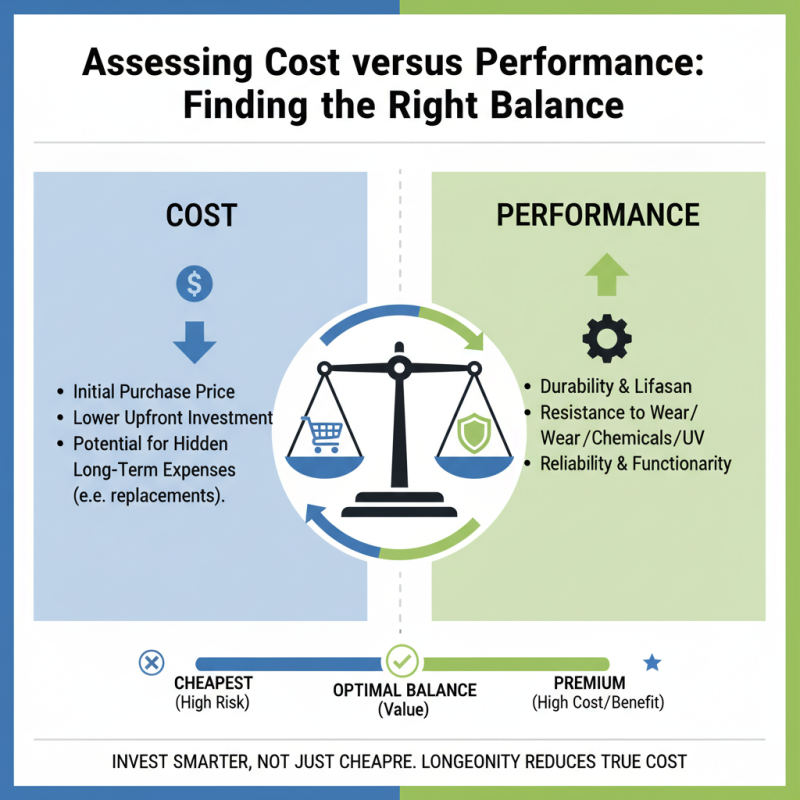
Cost is unavoidable in decision-making. Balance quality with budget. Purchasing lower-cost materials might lead to more frequent replacements. That can increase long-term expenses. Consider your needs carefully. Each property of the plastic sheet has its pros and cons. Reflect on how these factors align with your project's requirements.

Evaluating Environmental Impact and Sustainability of Plastics

10 Essential Tips for Choosing the Right Plastic Sheet Material

When selecting plastic sheet materials, considering their environmental impact is essential. The production and disposal of plastics contribute significantly to pollution. Many plastics take hundreds of years to decompose. It is vital to recognize the long-term consequences of the materials we choose.

Recycling can mitigate some of these issues. However, not all plastics are recyclable. Some may end up in landfills or oceans, harming wildlife. Evaluating a plastic's lifespan and disposal methods is critical. Biodegradable options are available but not always effective. They require specific conditions to break down.

Intended use impacts sustainability as well. Some applications warrant durability over eco-friendliness. Others may prioritize lightweight materials to save energy during transport. Assessing these trade-offs can guide better decisions. Think twice about the materials you promote. The responsibility lies with us to make informed choices.

Assessing Cost-Effectiveness and Durability of Plastic Materials

When assessing the cost-effectiveness and durability of plastic sheet materials, several factors come into play. Reports indicate that Polycarbonate sheets can withstand extreme temperatures, making them a durable choice for various applications. In comparison, PVC sheets often cost less but may not offer the same longevity. A study found that while PVC is approximately 30% cheaper initially, it has a shorter lifespan, leading to higher replacement costs over time.

Durability assessments show that acrylic sheets provide excellent weather resistance. However, they can be prone to scratching. A review by a materials analysis firm highlighted that using UV-resistant additives can extend the life of acrylic sheets significantly. Many manufacturers overlook this, leading to premature material failure. Furthermore, weighing the initial cost against long-term performance is crucial. Many buyers focus only on upfront costs, which can lead to unexpected expenses down the line.

Investment in quality materials can improve performance and reduce waste. A report found that selecting durable plastics leads to savings of up to 25% over a product's life cycle. Calculating the total cost of ownership versus initial pricing should be a priority for those in construction or manufacturing. Ultimately, thoughtful selection of materials plays a vital role in achieving both cost-effectiveness and durability.

Applications and Uses of Various Plastic Sheet Types

Plastic sheets are versatile materials with various applications across industries. For instance, polycarbonate sheets are frequently used in construction and glazing. These sheets exhibit high impact resistance, making them ideal for safety applications. According to a recent industry report, the global polycarbonate market is projected to grow at a CAGR of 5.2% between 2021 and 2026. This growth indicates increasing demand due to their durability and lightweight properties.

Acrylic sheets also find diverse uses, particularly in display cases and signage. Their clarity and UV resistance make them popular in retail environments. Data suggests that the acrylic sheet segment will capture a significant share of the market, driven by advancements in manufacturing techniques. However, some structures may feel that acrylic can scratch easily, leading to frequent replacements.

PVC sheets are another noteworthy option, often used in signage and outdoor applications. They are lightweight, yet they provide a sturdy feel. The market for PVC sheets has also seen an upward trend, with estimates suggesting an annual growth rate of 4.5%. Still, those choosing PVC must consider its limited temperature resistance, which could affect long-term usability. These aspects showcase the importance of carefully selecting the right plastic sheet for specific needs.