How to Choose the Right Polycarbonate Plastic for Your Needs?

Polycarbonate plastic has become a popular choice across various industries due to its unique properties. According to a market research report by Grand View Research, the global polycarbonate market was valued at over $20 billion in 2022. This figure underscores the growing demand for polycarbonate in applications ranging from automotive components to construction materials.

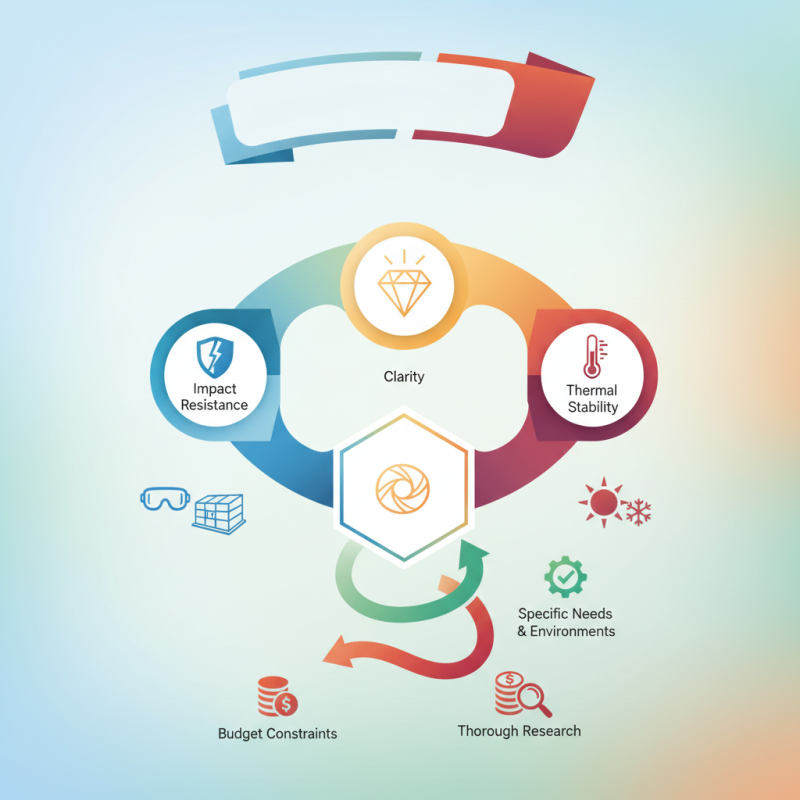
When selecting the right polycarbonate plastic, it’s critical to consider factors like impact resistance, clarity, and thermal stability. For instance, polycarbonate offers high impact resistance, making it an ideal choice for safety goggles and greenhouse panels. However, not all polycarbonate products are created equal. Some variations may not meet specific needs or environments, potentially leading to early degradation or inadequate performance.

Moreover, different grades of polycarbonate plastic cater to varying applications. For example, optical-grade polycarbonate excels in clarity and is often used in lenses. Yet, this excellence comes at a higher cost, raising questions about budget constraints. Adapting to these complexities requires thorough research and expert consultation to ensure that your choice aligns with your specific needs.
How to Choose the Right Polycarbonate Plastic for Your Needs?

Understanding Polycarbonate Plastic: Key Properties and Benefits
How to Choose the Right Polycarbonate Plastic for Your Needs?

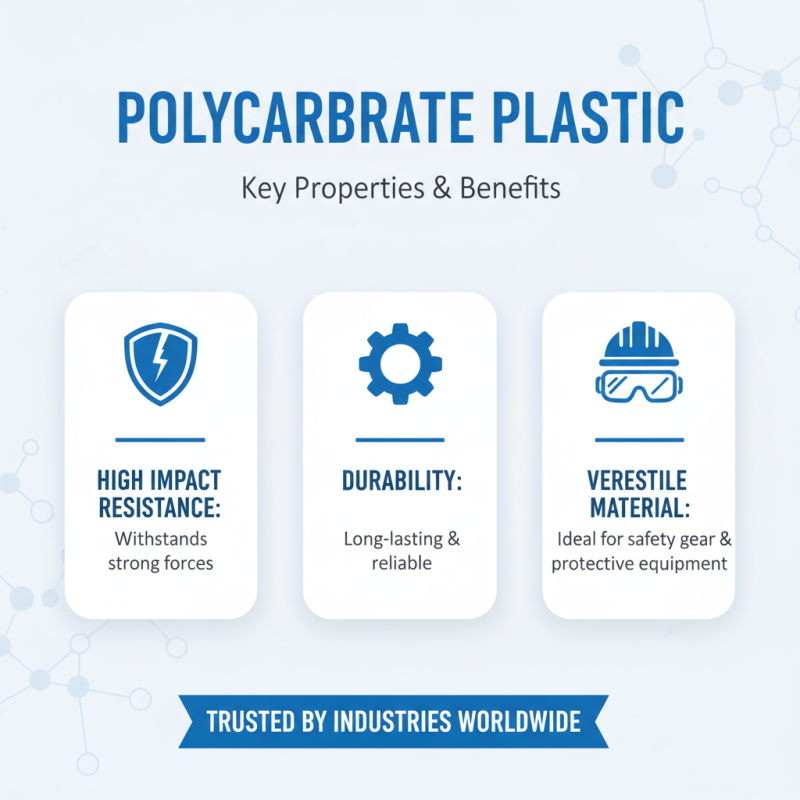
Polycarbonate plastic is a versatile material with unique properties. Its high impact resistance makes it ideal for safety equipment and protective gear. It can withstand strong forces without breaking. This durability is a key reason many industries prefer polycarbonate.

Additionally, polycarbonate is lightweight. It offers excellent clarity, resembling glass but significantly lighter. This clarity allows for creative designs in various applications, from eyewear to architectural elements. However, its heat resistance can sometimes be limited. Users must consider the environment in which the plastic will be used.

Another notable property is its ability to block UV radiation. This protection helps in outdoor applications, shielding structures and items from sun damage. But, over time, prolonged exposure can lead to scratches and potential yellowing. Understanding these factors is crucial for making an informed decision about polycarbonate plastic.
Identifying Your Specific Application Needs for Polycarbonate

When selecting polycarbonate plastic, understanding specific application needs is crucial. Different projects demand varying properties, such as impact resistance, optical clarity, or thermal stability. For instance, a report by the International Data Corporation indicates that over 70% of industries prioritize these properties. Polycarbonate's versatility makes it suitable for many applications.

One must evaluate the environment in which the polycarbonate will be used. Factors like UV exposure, temperature ranges, and potential chemical exposure can influence performance. According to a study by the Society of Plastics Engineers, 30% of polycarbonate failures are linked to environmental mismatches. It's vital to identify these requirements early in the decision-making process.

Cost is another factor that shouldn't be overlooked. While polycarbonate may be more expensive than other materials, its longevity can offset initial investment. However, a report by Plastics News shows that 40% of projects underestimate these long-term savings by focusing solely on upfront costs. Reflecting on application needs alongside budget constraints can lead to better decision-making in material selection.

How to Choose the Right Polycarbonate Plastic for Your Needs?

Application Thickness (mm) Impact Resistance UV Protection Optical Clarity
Greenhouse Glazing 4 High Yes Excellent
Electronic Housings 2 Medium No Good
Safety Shields 6 Very High Yes Good
Skylights 10 High Yes Excellent
Automotive Parts 3 Medium No Fair

Comparing Different Types of Polycarbonate: Solid vs. Sheet vs. Multiwall

When it comes to polycarbonate plastic, there are key types to consider—solid, sheet, and multiwall. Each serves different purposes, so understanding their characteristics is crucial. Solid polycarbonate is incredibly durable. It's often used in safety glasses or impact-resistant windows. This type offers high clarity, making it ideal for applications where visibility is crucial.

Sheet polycarbonate is versatile and easy to cut. It works well in situations requiring lightweight materials. This type is often used for greenhouse panels or outdoor signage. While strong, it can scratch more easily compared to solid polycarbonate. It's essential to weigh the pros and cons based on your specific needs.

Multiwall polycarbonate provides excellent insulation. It features air pockets that improve thermal efficiency, making it suitable for greenhouses and conservatories. However, it can be more expensive and requires precise installation. Choosing the right type depends on your project's requirements. Consider the environment and application carefully. Every project may need a different approach, and reflecting on that is vital.

Comparison of Different Types of Polycarbonate

Evaluating Environmental Resistance: UV, Impact, and Temperature Factors

How to Choose the Right Polycarbonate Plastic for Your Needs?

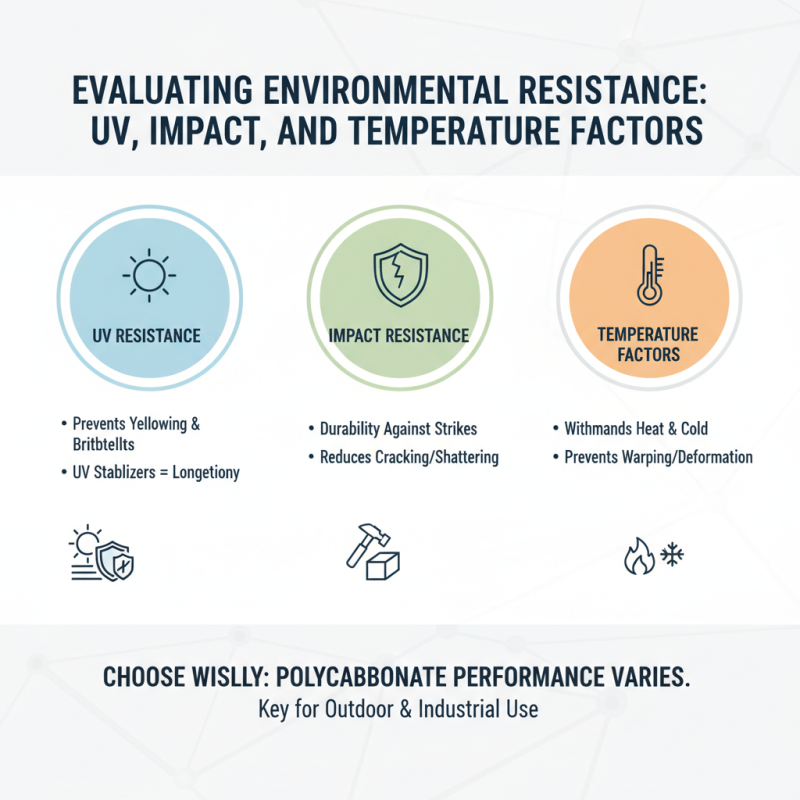
When choosing polycarbonate plastic, environmental factors are crucial. UV resistance is a key feature. Not all polycarbonate sheets are made equal in this regard. UV exposure can cause yellowing and brittleness. Selecting sheets with UV stabilizers can enhance longevity.

Temperature variability also plays a significant role. Polycarbonate can endure high heat but may be vulnerable to extreme cold. Always check the thermal properties based on your application needs. This is particularly important for outdoor or variable climate scenarios.

Tips: Consider testing samples in your environment. This can reveal issues not apparent in controlled settings. Consult with experts if unsure about specifications. Review product data sheets for detailed performance metrics. Always remember, the wrong choice can lead to costly failures.

Cost vs. Performance: Making an Informed Decision on Polycarbonate Choices

When selecting polycarbonate plastic, the balance between cost and performance is crucial. Data from the Plastics Industry Association shows that the demand for polycarbonate has increased by over 30% in the past five years. This rise is due to its excellent impact resistance and optical clarity. However, many users often overlook the total cost of ownership. The initial purchase price may be low, but factors like durability and maintenance can drive costs up.

Performance characteristics can vary significantly among different polycarbonate formulations. A study by the American Society for Testing and Materials noted that some polycarbonates are more heat resistant, while others focus on UV stability. Buyers must assess the specific requirements of their projects, including environmental factors. It can be tempting to choose a product based solely on price, but this could lead to higher repair costs later due to material failure.

If your application demands high clarity and strength, lighter grades can suffice. Yet, they may not offer the same longevity as heavier, more robust options. Users often underestimate the importance of warranties and product ratings. Investing in a higher-performance option might yield better reliability and satisfaction in the long run. Take the time to thoroughly evaluate your needs before making a decision.