How to Choose the Best Transparent Polycarbonate for Your Needs?
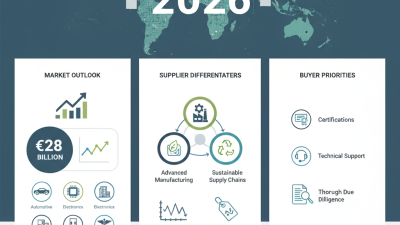
Selecting the right transparent polycarbonate involves understanding its unique properties and applications. The global transparent polycarbonate market is projected to grow at a CAGR of 5.9%, as reported by MarketsandMarkets. This growth reflects rising demand across industries like automotive and construction. Expert Dr. Alice Chen, a leading figure in polymer science, emphasizes the importance of quality, stating, "Choosing the right transparent polycarbonate can significantly impact performance and safety."
Transparent polycarbonate is celebrated for its durability and light weight. However, not all products are created equal. For instance, variations in UV resistance and impact strength can drastically influence performance in specific environments. In a survey of industry professionals, nearly 40% reported challenges in selecting the right grade for their needs, highlighting the complexity of material choices in real-world applications.
While experts like Dr. Chen provide valuable insights, it’s essential to consider your unique requirements. Assessing end-use conditions and potential hazards can guide your selection process. With the right approach, you can unlock the full potential of transparent polycarbonate in your projects. However, overlooking details could lead to inadequate choices, compromising both safety and efficiency.

Understanding Polycarbonate: Material Properties and Benefits
Polycarbonate is a versatile material known for its exceptional properties. It is lightweight yet incredibly strong. Reports indicate that polycarbonate has an impact resistance 250 times greater than glass. This makes it ideal for applications needing durability, like safety glasses and bulletproof windows.
The benefits of polycarbonate extend beyond strength. It also offers excellent transparency, allowing for up to 90% light transmission. This quality is critical in architectural elements and greenhouses where natural light is essential. Furthermore, polycarbonate's UV resistance helps prevent yellowing and maintains clarity over time.
However, while polycarbonate boasts many advantages, it is not without drawbacks. Its lower scratch resistance compared to glass can lead to surface damage. This requires regular maintenance or protective coatings to enhance longevity. Understanding these material properties helps users make informed decisions tailored to their specific needs.
Different Types of Transparent Polycarbonate and Their Applications
Transparent polycarbonate is a versatile material with a range of applications. Understanding the different types can help you choose the right one for your needs. For instance, general-purpose polycarbonate is highly impact-resistant. It is commonly used in safety glasses and protective shields. Its clarity makes it suitable for applications requiring visibility without compromising safety.
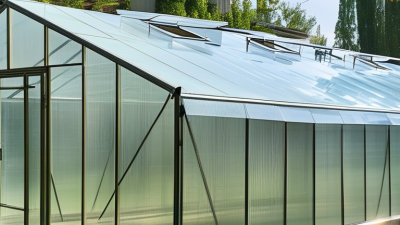
Another type is UV-resistant polycarbonate. This variant is ideal for outdoor use, such as in greenhouse panels or protective enclosures. The UV coating helps prevent yellowing and degradation from sunlight exposure. However, it can be more expensive than standard options. Some users find the cost a deterrent, yet the long-term benefits often outweigh the initial investment.
High-temperature resistant polycarbonate is also available. It can handle heat applications, making it ideal for automotive and industrial use. However, it might not be suitable for everyday projects. Users sometimes overlook this aspect, leading to potential failures in high-heat situations. Choosing the right type of polycarbonate involves considering your specific application and the environment it will face.
Key Factors to Consider When Choosing Transparent Polycarbonate
When choosing transparent polycarbonate, several key factors should guide your decision. First, consider the thickness. Thicker panels offer better durability and impact resistance. However, they may be heavier and harder to handle. Balance weight and strength based on your specific project needs.
Another important aspect is UV resistance. Some polycarbonate materials can degrade under sunlight exposure. Look for options that provide long-lasting clarity and protection from harmful UV rays. This is crucial for outdoor applications like greenhouses or sunrooms.
Additionally, evaluate the optical clarity of the polycarbonate. High-quality transparent polycarbonate should offer excellent visibility. Any distortion can be a drawback, especially in applications where clear sight is essential. Reflect on these factors to ensure the chosen material meets your requirements efficiently.
How to Choose the Best Transparent Polycarbonate for Your Needs? - Key Factors to Consider When Choosing Transparent Polycarbonate
| Factor |
Description |
Consideration |
| Optical Clarity |
The degree to which light can pass through the material without distortion. |
High clarity is essential for applications needing visibility. |
| Impact Resistance |
The material's ability to withstand force without breaking. |
Choose high-impact materials for safety and durability. |
| UV Resistance |
The ability of the material to withstand ultraviolet light without degrading. |
Essential for outdoor applications to prevent yellowing and brittleness. |
| Thermal Stability |
The endurance of the material under varying temperatures. |
Critical for environments with temperature fluctuations. |
| Weight |
The heaviness of the material compared to glass or other alternatives. |
Lightweight options are easier to handle and install. |
| Cost |
The price per unit or square foot of the polycarbonate. |
Balance quality and budget; look for long-term value. |
Evaluating Durability and Impact Resistance of Polycarbonate Sheets
When choosing transparent polycarbonate sheets, evaluating their durability and impact resistance is crucial. Polycarbonate is known for its superior strength compared to glass. It can withstand significant force, making it an ideal choice for many applications. This material is also lightweight, which allows for easy installation. However, not all polycarbonates are created equal. Some may offer less impact resistance, which could lead to safety issues.
Tips: Look for sheets that comply with impact resistance standards. These sheets often have testing certifications. Check the thickness too; generally, thicker sheets provide greater durability. It's essential to consider the environment. Exposure to harsh weather can degrade the material over time.
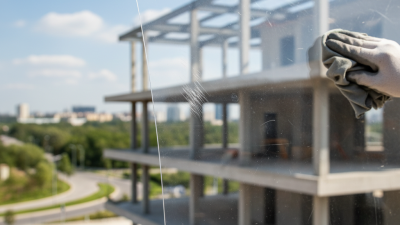
While polycarbonate is highly durable, care must be taken to prevent scratches. Unlike glass, the surface of polycarbonate can be prone to marking. Using proper cleaning materials is vital. Avoid abrasive cleaners or tools. Regular maintenance can extend the life of your sheets considerably, but it’s a constant effort. Thus, weigh the benefits against the upkeep involved.
Cost Analysis: Comparing Transparent Polycarbonate to Other Materials
When considering transparent polycarbonate, price is a critical factor. A recent market report indicates that polycarbonate sheets can cost between $3 to $6 per square foot. In comparison, glass typically ranges from $8 to $15 per square foot. This makes polycarbonate a more budget-friendly option for large projects. However, the initial savings should be weighed against long-term durability and maintenance costs.
Transparent polycarbonate boasts a high impact resistance, up to 200 times stronger than glass. This strength can lead to lower replacement costs over time. However, some polycarbonate can scratch easily, which may necessitate additional treatments or protective coatings. It's essential to analyze the total cost of ownership, not just the upfront cost.
Tips: Always check for UV protection ratings. High-quality polycarbonate can reduce yellowing over time. Consider installation costs as well, which can vary based on material. Don't overlook the environment where the material will be used; exposure to harsh conditions can impact performance. Reflecting on these factors can ensure you make the most informed choice.
Cost Analysis: Comparing Transparent Polycarbonate to Other Materials