How to Choose the Best Plastic Products for Your Needs and Sustainability
In today's rapidly evolving landscape of environmental consciousness, the choice of plastic products has become increasingly significant. As consumers seek to balance functionality with sustainability, understanding the nuances of plastic options can greatly impact both personal and environmental well-being. Renowned plastic products expert, Dr. Emily Carter, emphasizes the importance of this decision, stating, "Choosing the right plastic products is not just about utility; it's also about making sustainable choices that benefit our planet."
Sustainability is not merely a buzzword in the plastic industry; it requires a thoughtful approach to selecting materials that minimize ecological footprints. With an array of products available, from biodegradable alternatives to recycled plastics, each option presents unique advantages and challenges. As consumers, being informed about these choices empowers us to support innovations that align with both our practical needs and our environmental values.
By examining the key factors that influence the selection of plastic products—such as material composition, lifecycle impact, and end-of-life disposal methods—we can make educated decisions that contribute to a more sustainable future. This guide aims to equip you with the knowledge and insights necessary to navigate the world of plastic products effectively, ensuring that your choices are both beneficial for you and kind to the planet.

Understanding Different Types of Plastics: Properties and Applications
When selecting plastic products for both practical and sustainable use, it's essential to understand the properties and applications of various types of plastics. For instance, polyethylene (PE) is one of the most widely used plastics, known for its flexibility and durability. Commonly found in shopping bags and containers, PE is lightweight and resistant to moisture, making it ideal for everyday applications.
On the other hand, polypropylene (PP) has a higher melting point, which allows it to be used in hot-fill applications, such as food containers and automotive parts, offering robustness where heat resistance is vital.
Another important plastic is polyvinyl chloride (PVC), which is known for its rigidity and strength. It is often used in construction materials, such as pipes and siding, due to its excellent weather resistance and durability.
However, it is essential to consider the environmental impact of PVC, as its production and disposal can release harmful substances. Lastly, polystyrene (PS) is commonly found in packaging and disposable cutlery due to its lightweight nature, though its challenge lies in recycling. By understanding these properties and applications, consumers can make informed choices that align with their needs and contribute to sustainable practices.
Evaluating Sustainability: Biodegradable vs. Traditional Plastics
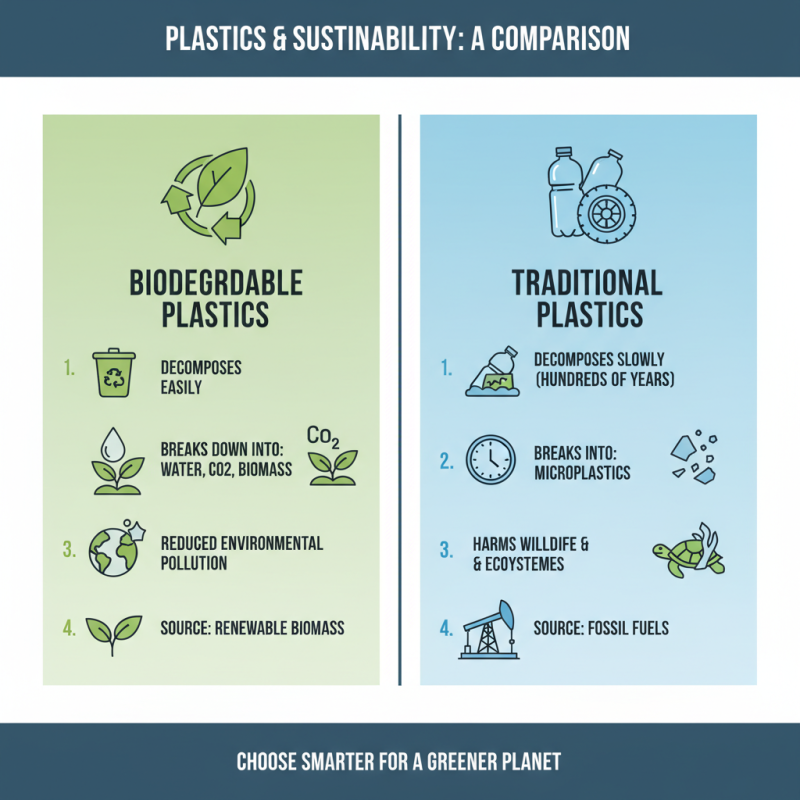
When evaluating sustainability in plastic products, understanding the differences between biodegradable and traditional plastics is crucial. Traditional plastics, while durable and versatile, take hundreds of years to decompose in landfills, contributing to environmental pollution and harming wildlife. In contrast, biodegradable plastics are designed to break down more easily under specific conditions, often converting into natural substances like water and carbon dioxide. This makes them an appealing option for those focused on reducing their ecological footprint.
Tips for choosing biodegradable plastics include looking for certifications that indicate the material meets industry standards for compostability, such as ASTM D6400 or EN 13432. Additionally, consider the end-of-life options—biodegradable products can often be composted alongside organic waste, minimizing landfill contributions. Also, take inventory of your plastic needs; in certain applications, biodegradable alternatives can perform just as well as traditional plastics without sacrificing quality.
It’s important to be aware, however, that not all biodegradable plastics behave the same way. Some require industrial composting facilities to break down effectively, which may not be widely accessible. Before purchasing, research the disposal methods available in your area to ensure that the biodegradable option you choose will be appropriately processed and will truly be a sustainable choice.
Consumer Needs: Selecting the Right Plastic Products for Everyday Use
When selecting plastic products for everyday use, it is essential to align consumer needs with sustainability principles. A report by the Ellen MacArthur Foundation highlights that only 14% of plastic packaging is recycled effectively; this statistic emphasizes the necessity for consumers to opt for products that not only meet their functional requirements but also contribute to a circular economy. Choosing biodegradable or recyclable plastics can significantly reduce environmental impact and promote a more sustainable lifestyle.
Moreover, understanding the specific functions and safety of various plastics is crucial. For instance, research from PlasticsEurope indicates that about 60% of consumers prioritize safety and health when purchasing plastic food containers. This is particularly relevant in contexts where plastic products come in direct contact with food. By opting for products that are free from harmful chemicals such as BPA (bisphenol A), consumers can make informed choices that support both personal health and environmental sustainability. It is also advisable to look for certifications that guarantee the safety and recyclability of products, thereby ensuring that consumer needs and ecological impact do not conflict.
Choosing the Right Plastic Products for Sustainability
Industry Standards: Certifications and Eco-labels for Sustainable Plastics
When selecting plastic products, it is crucial to familiarize yourself with industry standards, certifications, and eco-labels that indicate sustainability. Certifications such as the Global Recycling Standard (GRS) and the Cradle to Cradle Certified™ mark signify that a product has undergone rigorous testing for environmental performance and social responsibility. These labels not only guide consumers towards more eco-friendly choices but also ensure that the products they choose have been assessed for their impact on both the environment and human health.
**Tips:** Look for certifications that resonate with your values. For instance, if you prioritize recyclability, seek products bearing the recycling symbol or other related certifications. Similarly, products with biodegradable or compostable labels can offer sustainable alternatives, ensuring that they break down in a less harmful manner when disposed of.
Additionally, understanding the distinctions between certifications can lead to more informed choices. Some labels, like the Forest Stewardship Council (FSC) certification, emphasize responsible sourcing of materials, while others focus on the carbon footprint of the product. Familiarizing yourself with these distinctions helps you assess the overall sustainability of a product beyond its outward appearance. By prioritizing products with reputable eco-labels, you not only make better personal choices but also contribute to a larger movement towards sustainable consumption.
How to Choose the Best Plastic Products for Your Needs and Sustainability - Industry Standards: Certifications and Eco-labels for Sustainable Plastics
| Plastic Type |
Common Uses |
Recycling Code |
Sustainability Certifications |
Eco-labels |
| PET (Polyethylene Terephthalate) |
Bottles, containers, synthetic fibers |
1 |
Recycling Symbol, Cradle to Cradle Certified |
Green Seal, EPA Design for the Environment |
| HDPE (High-Density Polyethylene) |
Milk jugs, detergent bottles, piping |
2 |
Recycling Symbol, USDA Certified Biobased Product |
Green Seal, EcoLogo |
| PVC (Polyvinyl Chloride) |
Pipes, flooring, medical devices |
3 |
Recycling Symbol, LEED Material Credits |
FSC (Forest Stewardship Council), GreenGuard |
| LDPE (Low-Density Polyethylene) |
Bags, squeeze bottles, wraps |
4 |
Recycling Symbol, Forest Stewardship Council |
Green Seal |
| PP (Polypropylene) |
Food containers, straws, automotive parts |
5 |
Recycling Symbol, BPI Certified Compostable |
EcoLogo, Cradle to Cradle Certified |
| PS (Polystyrene) |
Containers, cutlery, insulation |
6 |
Recycling Symbol |
Green Seal |
| PLA (Polylactic Acid) |
Biodegradable products, packaging |
7 (Other) |
BPI Certified Compostable, USDA Certified Biobased |
Seedling Logo, EN13432 Certified |
Assessing Lifecycle Impact: The Environmental Cost of Plastic Production
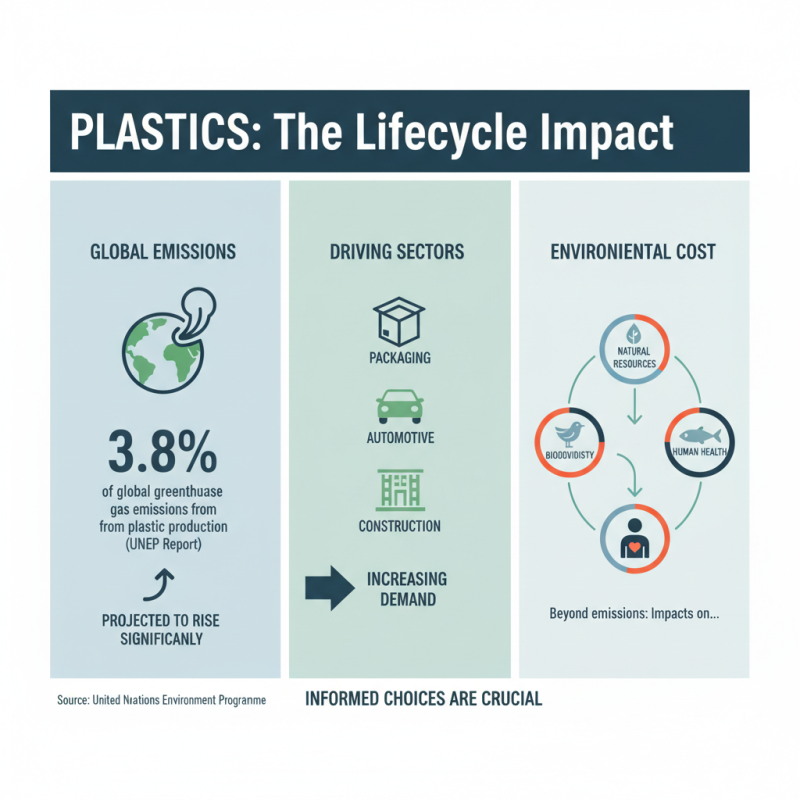
The lifecycle impact of plastic production is a critical factor in making informed choices about plastic products. According to a report by the United Nations Environment Programme, the production of plastics accounts for approximately 3.8% of global greenhouse gas emissions. This figure is projected to increase significantly as demand for plastic continues to rise, driven by sectors such as packaging, automotive, and construction. Assessing the environmental cost of plastic involves understanding not only the emissions associated with its production but also its effects on natural resources, biodiversity, and human health.
Moreover, the production of plastic is resource-intensive; it relies heavily on fossil fuels, contributing to resource depletion and ecological disruption. A study published in the journal "Science Advances" indicated that around 8 million tons of plastic waste enter the oceans each year, posing severe threats to marine life and ecosystems. As individuals and businesses consider their plastic consumption, it is essential to evaluate products not merely based on their utility but also by analyzing their environmental footprint throughout their lifecycle—from extraction of raw materials to manufacturing, use, and eventual disposal. This holistic approach empowers consumers to make choices that align with sustainability goals, potentially steering the market towards more eco-friendly alternatives.