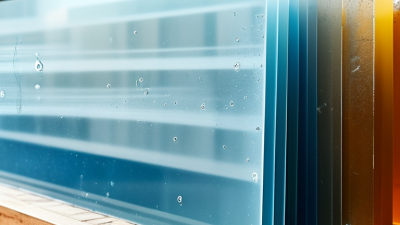
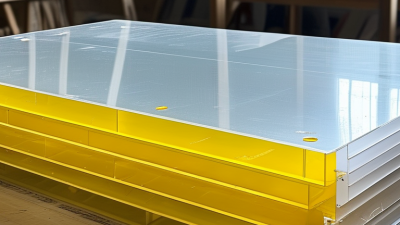
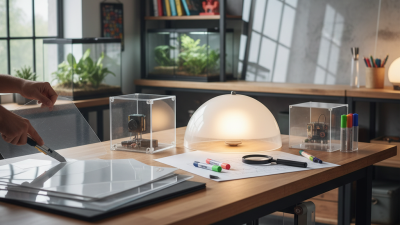
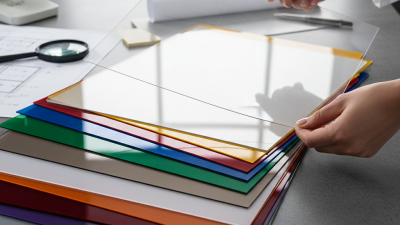
What Is the Best Transparent Sheet for Buyers in 2026?
Choosing the best transparent sheet in 2026 requires more than comparing showroom clarity or the lowest quoted price. Buyers must match the material with its real service conditions. Acrylic offers excellent light transmission and surface gloss. Polycarbonate provides stronger impact resistance. PETG is easier to form for many retail and display applications. Glass still leads where superior scratch resistance and long-term optical stability matter.
Market evidence supports a performance-led approach. Grand View Research identifies construction, automotive, and signage as important demand areas for acrylic sheets. Smithers’ plastics-in-construction research also highlights durability, lightweight design, and energy efficiency as continuing purchasing priorities. PlasticsEurope’s Plastics—The Facts 2024 report shows how broad polymer use has become across European industries, although it does not measure every transparent sheet application directly. That limitation matters. Report categories rarely reflect a buyer’s exact panel thickness, edge finish, or outdoor exposure.
A practical evaluation should examine visible-light transmission, haze, UV protection, impact strength, thermal movement, fire performance, and cleanability. Request technical data sheets, test standards, and sample panels before signing a large order. Hold a 3-millimeter sample near a window. Check glare, fingerprints, color shift, and edge clarity under actual lighting. Small details become expensive later.
No single sheet wins every test. A low-cost transparent sheet may crack, yellow, or scratch sooner than expected. Conversely, an over-specified material can waste budget. Buyers should question supplier claims, verify independent testing, and document the intended use. The best choice is not merely the clearest panel. It is the sheet that remains safe, stable, attractive, and economical throughout its planned service life.
What Transparent Sheets Are and How They Differ
What Is the Best Transparent Sheet for Buyers in 2026?
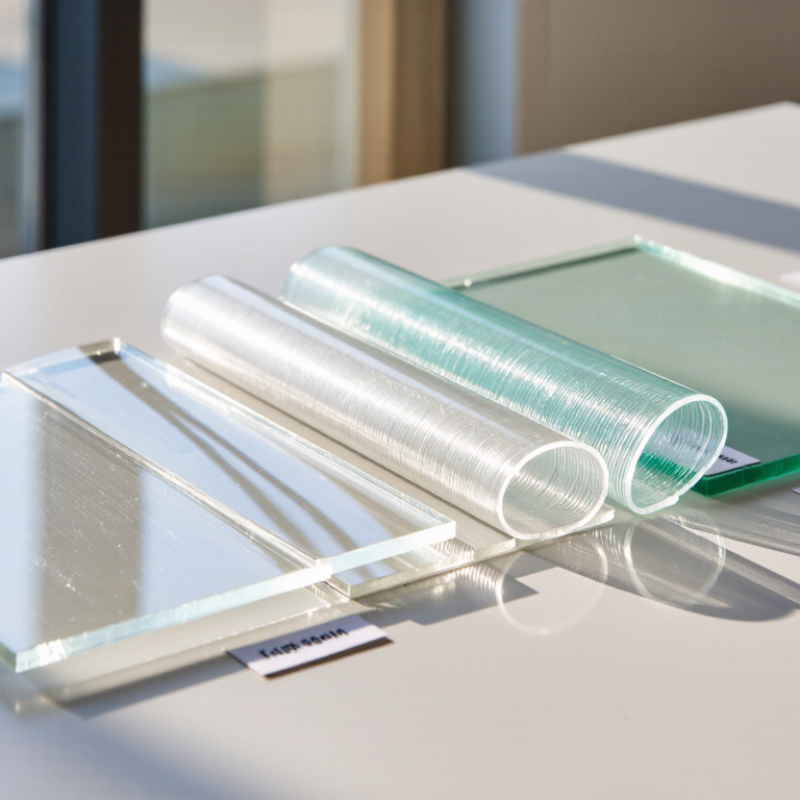
Transparent sheets are not interchangeable. Glass offers excellent optical clarity, heat resistance, and scratch performance, but it is heavy and can break. Acrylic is lighter and usually clearer than standard glass, making it suitable for displays, partitions, and protective covers. Polycarbonate provides much higher impact resistance, though its surface can scratch more easily. PETG bends and forms well, but it may show lower heat resistance.
The differences become clearer during real selection. A 3 mm acrylic panel can feel rigid on a display frame, while a similar polycarbonate panel better handles accidental impacts. Check haze, yellowing resistance, thickness tolerance, and edge quality under bright lighting. Small flaws matter. They become obvious near windows.
According to Grand View Research, the global acrylic sheets market is projected to grow at roughly 5% annually through 2030. Fortune Business Insights also identifies rising demand for polycarbonate sheets in construction and transportation. These reports show market momentum, not automatic product superiority. Buyers should match the sheet to its environment. Choose acrylic for clarity and presentation, polycarbonate for impact exposure, and glass for long-term surface durability. Sustainability requires closer inspection. Recycling rates, additives, coatings, and local collection systems can change the environmental result. I would not select solely by recycled content. That decision can look responsible, yet perform poorly in real use.
Key Materials Used in Transparent Sheets
Choosing the best transparent sheet in 2026 starts with its material, not its appearance. Acrylic, also called PMMA, offers excellent light transmission and a clean glass-like finish. It works well for displays, signs, covers, and indoor partitions. However, it can crack under sharp impact. That weakness is easy to overlook.
Polycarbonate is tougher and resists sudden impact better than acrylic. It suits protective guards, machine windows, and areas exposed to rough handling. Its surface may scratch more easily, so a hard coating can be valuable. PETG is another practical option. It bends and forms with less effort, making it useful for shaped covers and retail fixtures. Its optical clarity is good, although prolonged outdoor exposure can affect its appearance without suitable protection.
Glass remains strong in optical stability, heat resistance, and scratch resistance. It also feels more rigid and premium. Yet, its weight and breakage risk can complicate transport and installation. PVC transparent sheets are often economical and easy to process, but their clarity and long-term stability vary by formulation. Buyers should check thickness, light transmission, impact data, temperature limits, and surface hardness before ordering. A sample test is wiser than relying on a specification sheet alone. I have seen clear material perform poorly after simple drilling or bending. The material was not always the problem; the processing method was.
How to Compare Clarity, Strength, and Durability
What Is the Best Transparent Sheet for Buyers in 2026?
Clarity starts with the viewing angle, not just the product label. In practical testing, a clear acrylic sheet often gives sharp, glass-like visibility for displays and indoor panels. Polycarbonate offers good transparency, but its surface may show fine scratches sooner. PETG can look clean and even, especially when shaped, though its optical finish may vary between suppliers. Hold each sample against printed text. Blurred letters reveal distortion quickly.
Strength depends on the job. A thin acrylic panel may crack around drilled holes or exposed corners. Polycarbonate usually handles impacts better, making it suitable for guards, covers, and busy work areas. Thickness matters too. A large, thin sheet can flex like a ruler, even when its material is strong. I once selected a panel based only on impact resistance. It survived a drop, but its flexing made the installation feel unfinished.
Durability includes sunlight, cleaning, moisture, and repeated handling. Ask for ultraviolet resistance data when the sheet will face windows or outdoor exposure. Check whether the surface tolerates the cleaners used on site. Abrasive cloths can leave cloudy trails. A soft microfiber cloth is safer. Inspect the edges and mounting holes before purchase. Small defects can spread under pressure. No sheet performs perfectly in every setting, and a lower-cost option may become expensive after replacement.
Which Transparent Sheet Fits Different Buyer Needs
The best transparent sheet depends on the buyer’s working conditions, not appearance alone. A display builder may prefer acrylic because it is light, clear, and easy to cut. A workshop protecting machinery may need polycarbonate, which handles stronger impacts. For curved covers, PETG offers practical forming with less specialized equipment. Glass still suits buyers who value scratch resistance and long-term optical stability. It is heavier, though.
I have compared sheets beside a window and under workshop lights. Small scratches appeared sooner on some softer plastics than expected. That detail matters. For indoor signs, a 2–3 mm acrylic sheet may be sufficient. Outdoor buyers should check UV resistance, temperature limits, and edge protection. A sheet can look perfect on day one. It may discolor or warp later.
Measure the frame before ordering. Allow space for expansion, especially with large panels. Buyers needing safety barriers should review impact data and thickness recommendations, rather than trusting a product photograph. For food-contact, medical, or sensitive environments, request current compliance documents and cleaning guidance. Do not assume every clear sheet suits every cleaner. A sample test is wise, but not flawless. Real installation conditions can expose problems that a small sample hides.
How to Choose the Best Transparent Sheet in 2026
What Is the Best Transparent Sheet for Buyers in 2026?
How to Choose the Best Transparent Sheet in 2026
The best transparent sheet depends on its purpose, not its appearance alone. For indoor signs, lightweight PET may provide clear viewing and easy cutting. Acrylic offers stronger visual clarity and a polished surface. Polycarbonate is more suitable where impact resistance matters, such as protective panels or busy public areas. Do not choose by thickness alone. A thicker sheet can still perform poorly in sunlight or heat.
Check light transmission, haze, UV resistance, surface hardness, and operating temperature. These details affect how the sheet looks after months of use. Hold a sample near a window and inspect it from different angles. Look for waviness, tiny bubbles, scratches, or uneven edges. Ask the supplier for technical data, batch information, and test results from recognized laboratories. Traceable documentation matters more than attractive sales language.
Measure the frame carefully before ordering. Allow room for expansion when the panel faces strong temperature changes. Confirm whether drilling, bending, printing, or protective coating is required. A sample may look perfect on a desk but behave differently outdoors. That is easy to underestimate. I would also test the sheet with the exact cleaner and mounting hardware planned for the project. Some surfaces mark quickly, and replacing a full panel can cost more than choosing a better grade initially.
What Is the Best Transparent Sheet for Buyers in 2026?
Visible light transmission is a practical starting point when comparing clear sheet materials. The chart shows representative values for common clear grades; actual performance varies by thickness, coating, surface finish, and manufacturing specification.
Acrylic generally provides the highest optical clarity, while polycarbonate offers much higher impact resistance. PETG is easy to thermoform, and float glass provides excellent scratch resistance and dimensional stability.