Best Plastic Film Manufacturers in China?
Finding the best plastic film manufacturers in China takes more than comparing prices or polished product photos. China has suppliers serving packaging, agriculture, construction, and industrial markets, but their capabilities can differ considerably. A film suited to dry-food packaging may not meet the needs of a greenhouse or a protective wrap. The details matter.
A careful review starts with the application. Check product specifications, such as film thickness, width, material structure, and stated performance, against your actual requirements. Request samples and examine them under realistic conditions. Ask how the manufacturer monitors thickness consistency, surface defects, and production-batch quality. Small checks can reveal useful differences. Also confirm minimum order quantities, lead times, customization options, and the clarity of technical support. For specialized uses, request relevant test reports and supporting quality documentation, then verify that they match the product being offered.
Price alone rarely tells the full story. A low quote may exclude printing, packing, testing, or shipping details. A higher quote is not proof of better performance either. This guide explains how to assess Chinese plastic film suppliers, compare their strengths, and identify questions worth asking before placing an order. It does not treat any ranking as permanent; product lines, service, and production capacity can change. Some information may still be incomplete, so buyers should confirm current details directly and judge samples against their own needs. A practical decision balances documented capability, consistent communication, and product suitability—not promises alone.
What Plastic Film Manufacturers in China Produce
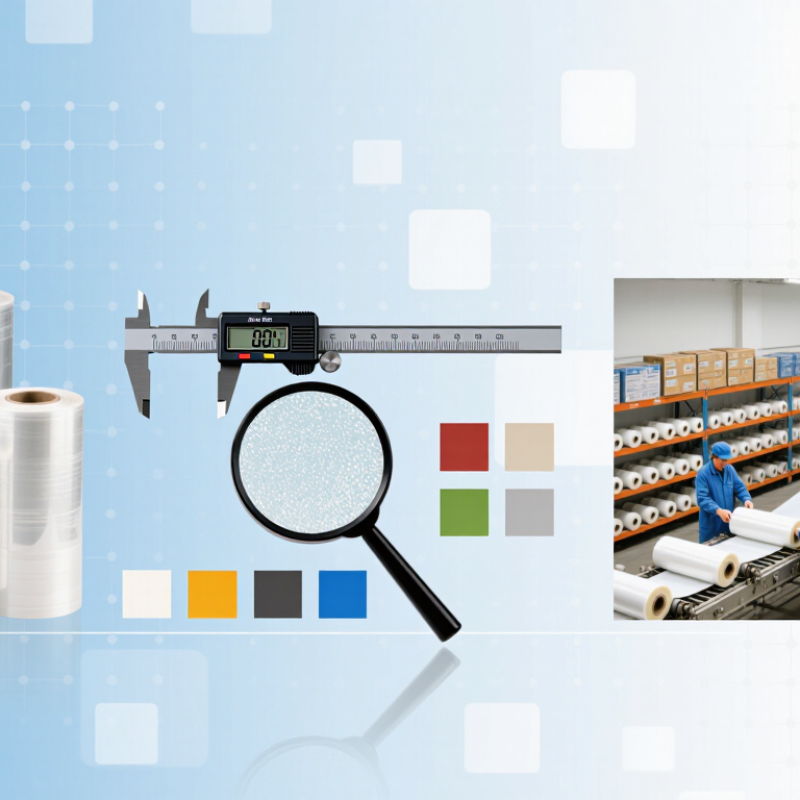
Plastic film manufacturers in China produce materials for packaging, agriculture, construction, and industrial use. Common options include polyethylene films, polypropylene films, and multilayer structures designed for specific performance needs. Polyethylene is widely used for flexible packaging and protective covers. Polypropylene can offer a crisp appearance and useful clarity for certain packaging applications. The exact properties depend on the resin, thickness, and production process.
There is plenty to compare. Agricultural films may cover greenhouses, protect soil, or wrap silage; buyers should check light transmission, weather resistance, and expected service life. Packaging films can be made for bags, pouches, liners, or wrapping. Some structures combine layers to improve moisture or oxygen protection, but not every film suits every filling line. For industrial use, stretch and shrink films help secure loads, while construction films may serve as temporary covers or vapor barriers.
Specifications matter more than a broad product label. Ask for the film’s thickness range, roll width, tolerances, and relevant test data. Sample rolls can reveal practical issues, such as uneven winding or difficulty sealing. A low price may look attractive, yet inconsistent gauges can create waste on a converting line. Quality records help, though paperwork alone is not proof of consistent production. Buyers should confirm that samples match the quoted specifications before placing larger orders.
Major Types of Plastic Film Made in China
Plastic film made in China covers several material families, each suited to different packaging needs. Polyethylene film is widely used for liners, bags, and protective wraps. LDPE feels soft and flexible, while HDPE is generally stiffer. LLDPE often works well in stretch film because it can resist punctures during handling. Use comes first.
Polypropylene film, including oriented grades, offers a clear appearance and a crisp feel. It is commonly used for snack packaging and labels. PET film is stronger and more dimensionally stable, making it useful in printing and laminated structures. PVC film can provide clarity and cling for certain applications, but its suitability depends on the intended use and required performance. Barrier films may combine several layers to help limit moisture, oxygen, or odors. More layers are not automatically better.
Tips: Ask suppliers for the film’s resin type, thickness range, and technical data sheet. Request samples and test them on your actual filling or wrapping equipment. Check seal strength, clarity, and performance after storage. A sample can look excellent on a desk, then wrinkle on a fast line. That detail is easy to miss. Compare specifications carefully, since similar names do not guarantee identical film behavior.
How Plastic Film Is Manufactured and Quality-Controlled
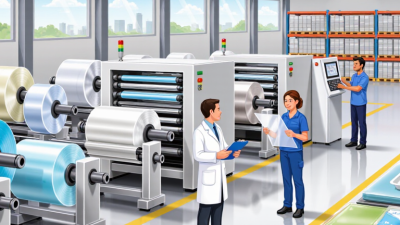
Plastic film quality begins before the extruder starts. Resin pellets are checked for grade, moisture, and visible contamination. Depending on the application, manufacturers use blown-film or cast-film extrusion. In blown-film production, melted polymer passes through a circular die and expands into a bubble. Air pressure sets its width, while cooling rings stabilize it. Cast film leaves a flat die and cools on a chilled roller. Small shifts in temperature or line speed can change thickness and clarity. It sounds simple. It isn’t.
Operators monitor melt pressure, bubble shape, cooling, and winding tension during production. Inline gauges measure thickness across the web, while cameras can flag gels, holes, or streaks. A few readings are not enough. Quality teams also take roll samples and test tensile strength, elongation, haze, friction, and seal performance when relevant. Results should connect to roll numbers and production settings, so defects can be traced rather than guessed at.
Good control includes more than passing a test. Teams should check instrument calibration, retain samples, and document changes between batches. Edge trim and startup scrap deserve attention too; they can reveal unstable conditions. No test catches everything. A film may pass a lab check yet behave differently on a fast packaging line, especially after storage. That gap calls for practical trials and honest follow-up. In China, buyers can request recent test records, agreed tolerances, and a clear sampling plan before approving regular supply.
How Plastic Film Is Manufactured and Quality-Controlled
Illustrative cross-web thickness profile for a nominal 25 μm film. Thickness is measured at multiple positions across the film; actual product specifications and acceptance limits vary.
Film is formed by extrusion, cooled, and wound into rolls. Quality checks such as thickness measurement help identify unevenness across the web. The readings shown are an illustrative example, not data from a specific manufacturer.
How to Evaluate Plastic Film Manufacturers in China
Choosing a plastic film manufacturer in China requires more than comparing quoted prices. Start with the film’s intended use, then ask for measurable specifications such as thickness tolerance, width, tensile strength, and haze. A supplier should explain how these values are tested, not simply send a polished data sheet. Details matter.
Request samples from a normal production run, not only handpicked pieces. Check the roll edges, winding, surface marks, and thickness at several points with suitable measuring tools. Ask how the factory records batch results and handles defects. Clear answers are useful. Vague promises are not. If possible, compare the sample with a later production order; consistency matters more than one good roll.
A site visit or third-party audit can help verify equipment, storage conditions, and quality-control routines. Look for clean production areas and labeled resin or film batches. Ask who approves specification changes and how complaints are investigated. Communication is part of quality, too: slow or confusing replies may create costly delays. Still, no checklist is perfect. A brief audit can miss problems that appear only during a long production run, so trial orders and written acceptance criteria are worth the extra effort.
How to Choose a Manufacturer for Your Needs
Choosing a plastic-film manufacturer starts with your converting conditions, not a broad catalogue. Define polymer, gauge, width, roll diameter, printing, sealing temperature, and end use. Share your line speed and target package weight; vague specifications invite vague quotations. Ask how thickness variation, tensile strength, seal strength, haze, and coefficient of friction are measured. Request recent test records and a production sample from the same grade. Tiny details matter.
Check consistency beyond the sample. Request batch traceability, change-control procedures, defect limits, and corrective-action records. Ask for quality-system certificates, then verify their scope and validity; a certificate alone cannot guarantee every roll meets your needs. The OECD’s Global Plastics Outlook reports 460 million tonnes of global plastics production in 2019. It estimates that only 9% of plastic waste was recycled. Use that context to ask for resin composition and evidence supporting recycled-content or end-of-life claims. Avoid vague environmental language.
Before signing, run a trial at your actual speed and inspect seals, winding, print registration, and roll edges. Run it live. Agree in writing on tolerances, lead time, minimum order, packaging, and rejected-lot handling. Compare total landed cost, not just price per kilogram. A sample may look flawless and still behave badly on a hot sealing jaw. Lab tests cannot predict every shift, operator, or machine setup, so a monitored pilot run is worth the time.
Best Plastic Film Manufacturers in China? - How to Choose a Manufacturer for Your Needs
| Evaluation Factor | What to Compare | Evidence to Request | Why It Matters |
|---|---|---|---|
| Film Material | Confirm whether the film is made from the resin and structure suited to the application, such as PE, PP, PET, PVC, or a multilayer combination. | Material specification, layer structure, and a sample matching the proposed product. | Material selection affects properties such as flexibility, clarity, moisture resistance, chemical resistance, and suitability for printing or sealing. |
| Film Type and Application | Check experience with the intended use, such as packaging, agricultural film, protective film, or industrial liners. | Product data sheets and examples of comparable applications, with customer identities omitted if confidential. | Different applications require different combinations of strength, barrier performance, durability, and processing characteristics. |
| Thickness and Tolerance | Specify nominal thickness, acceptable tolerance, measurement method, and how measurements are recorded across a roll. | Written product specification and sample inspection or quality-control records. | Consistent thickness supports predictable performance, converting, and material usage. Tolerances should be agreed for the specific product. |
| Film Width and Roll Format | Compare available widths, roll lengths, core sizes, winding direction, and limits for custom dimensions. | Production specification confirming the requested roll format and packaging method. | Roll dimensions need to match the buyer’s equipment, storage, and downstream converting requirements. |
| Mechanical and Surface Properties | Define relevant requirements such as tensile strength, elongation, tear resistance, coefficient of friction, clarity, or surface treatment. | Test reports stating the method, sample conditions, and results for the proposed grade. | Performance depends on the film structure and intended process; test methods help make supplier comparisons meaningful. |
| Printing and Converting | Ask whether the manufacturer can supply film suitable for the required printing, lamination, coating, slitting, or sealing process. | Printability or surface-treatment details, process specifications, and trial samples where appropriate. | Compatibility with downstream equipment can affect adhesion, print quality, seal performance, and production efficiency. |
| Quality Management | Review inspection procedures for incoming materials, production, finished rolls, traceability, and handling of nonconforming product. | Current quality-system documents, inspection records, and a description of lot identification and corrective-action procedures. | Documented controls make it easier to identify issues, trace affected lots, and maintain consistent production. |
| Food-Contact or Other Compliance | Identify the destination market and applicable requirements before ordering. Confirm that any compliance claim applies to the exact material and intended use. | Relevant declarations, test reports, or certificates for the specified product and market; verify their scope and validity. | Regulatory requirements vary by material, use, and destination. A general certificate may not establish compliance for every application. |
| Production Capacity and Lead Time | Confirm available production capacity, order scheduling, sample timing, and quoted lead time for the requested specification. | Written quotation with production and delivery assumptions, plus an agreed schedule for initial and repeat orders. | Actual lead times depend on specification, order quantity, material availability, and production workload. |
| Minimum Order Quantity | Compare minimum quantities for standard products, custom formulations, special widths, printing, and trial orders. | Quotation showing minimum order quantities and any setup, tooling, or sampling charges. | Custom production may require different order quantities and costs from standard stock products. |
| Samples and Testing | Request representative samples and agree on evaluation criteria before approving bulk production. | Sample identification, specification, test results, and written approval records. | Testing against the buyer’s actual equipment and application can reveal issues that a product description alone may not show. |
| Packaging and Export Readiness | Confirm roll protection, labeling, carton or pallet configuration, shipping terms, and export documentation responsibilities. | Packaging specification, sample shipping marks, and a written list of documents supplied for the destination. | Suitable packaging and clear shipping responsibilities help reduce handling damage and documentation delays. |
| Commercial Terms and Support | Compare payment terms, quotation validity, change-control procedures, complaint handling, and communication during production. | Written quotation, order terms, escalation contacts, and documented procedures for specification changes or quality claims. | Clear terms help prevent misunderstandings about product requirements, delivery, and responsibility for resolving issues. |
| Sustainability Information | Ask about recycled content, recyclability, material reduction, or other sustainability attributes only where relevant to the product and market. | Product-specific supporting documents and clear definitions for any environmental claims. | Environmental claims should be verifiable and assessed against the applicable product, local rules, and recycling infrastructure. |
Selection tip: Compare suppliers using the same written specification and test methods. Product capabilities, certifications, minimum order quantities, and lead times should be verified directly for each quotation.
Related Posts
-
How to Choose Plastic Film Suppliers in 2026?
-

Top Quality Plastic Film Suppliers in China for Global Buyers?
-
How to Choose the Right Plastic Film for Your Needs?
-

China Best Clear Polycarbonate Panels for Global Buyers?
-

2026 How to Cut and Shape Lucite Sheets for Your Next Project?
-

How to Choose the Best Coloured Sheets for Your Bedroom?