Best Plastic Board Options for Your Next Project?
When embarking on your next project, selecting the right materials is crucial. Among the various options available, plastic boards stand out for their versatility and durability. These boards can be used in numerous applications, from construction to crafting. With so many choices in the market, making a decision can be overwhelming.
Plastic boards come in various sizes and colors. Understanding the specific needs of your project can help narrow down your options. Different types of plastic boards offer unique benefits, like water resistance or flexibility, which may affect your project's outcome.
However, not all plastic boards are created equal. Some may warp or degrade over time, leading to disappointing results. It's essential to choose reputable brands and materials suited for your specific tasks. Reflecting on the properties of plastic boards can ultimately guide you in making an informed choice that balances functionality and aesthetics.
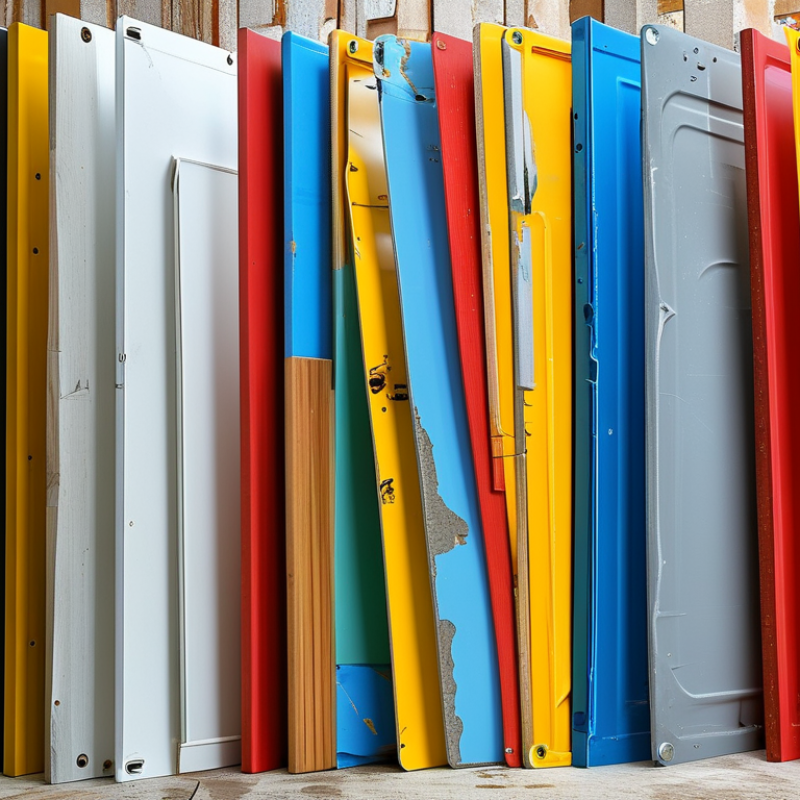
Types of Plastic Boards Commonly Used in Projects
When it comes to projects involving plastic boards, understanding the different types can enhance your experience.
Polypropylene is flexible yet sturdy, perfect for intricate designs.
It comes in various colors, allowing creativity. On the other hand, acrylic boards provide clarity and can mimic glass, making them ideal for display purposes.
PVC boards, known for their durability and ease of maintenance, are commonly used in construction and furniture design.
They resist chemicals and moisture, crucial in many settings.
HDPE offers high impact resistance, often chosen for outdoor applications like signage.
Its toughness is a significant advantage, yet it can be challenging to bond with adhesives.
Choosing the right plastic board is not just about function but also about aesthetics.
Each type has unique qualities. Experiments can lead to unexpected results, forcing you to rethink your approach.
Balancing these factors can be tricky but essential for a successful project.
Factors to Consider When Choosing Plastic Boards
When selecting plastic boards for your project, several factors are crucial. Assess the board's material properties. Common options include polyethylene, polypropylene, and PVC. Each type offers unique strengths and weaknesses, influencing your choice. Polyethylene, for example, is lightweight and durable. However, it may not perform well under extreme temperatures.
Consider the board's thickness as well. Thicker boards provide better strength and impact resistance. This can be vital for projects involving heavy use. Conversely, thinner boards can be easier to cut and shape. Balance the project’s requirements with the properties of the board.
Tips: Always test a small sample before committing. This ensures you understand how the material will behave. Keep in mind that color and finish may also affect the board's usability. Different finishes can alter the board's friction and resistance to wear. Evaluate these aspects closely for the best results.
Comparative Analysis of Popular Plastic Board Brands
When choosing plastic boards for your next project, many brands offer various qualities. Each option has unique attributes, making the decision challenging. Evaluating durability, flexibility, and cost is essential. Some boards excel in weather resistance, while others may offer better cutting and fabrication properties.
One popular choice is high-density polyethylene (HDPE). It provides excellent impact resistance and is easy to clean. However, some users find it challenging to glue. Another option is polyvinyl chloride (PVC), known for its lightweight nature. It can be more affordable, but some may experience issues with UV degradation over time.
Some brands also provide specialty boards for specific applications. These can be more expensive but deliver significant benefits. For instance, foam core boards are lightweight and easy to handle but might not hold up under heavy loads. Reading user reviews and gathering feedback is crucial. Every material has pros and cons, and understanding these can aid you in making the best choice.
Application Areas for Different Plastic Board Materials
When selecting plastic board materials, understanding their applications is crucial. Different types offer unique benefits, catering to various projects. For example, acrylic boards are excellent for signage due to their clarity and durability. They can withstand harsh weather, making them ideal for outdoor uses.
Polycarbonate boards are known for their incredible impact resistance. This property is advantageous in environments prone to vandalism or accidents. Additionally, they are lightweight, making installations simpler. When considering safety, polycarbonate is a top contender for protective barriers.
**Tips:** Always check the thickness required for your application. Thicker boards provide more strength, while thinner boards are easier to handle. Also, consider UV protection in outdoor environments. Not all plastic boards resist sun damage equally.
A common oversight is neglecting surface finishes. Some boards can be scratched easily, impacting their appearance. Reflecting on this can guide better material choices for future projects.
Best Plastic Board Options for Your Next Project? - Application Areas for Different Plastic Board Materials
| Material Type |
Application Areas |
Advantages |
Disadvantages |
| Polyethylene (PE) |
Packaging, Containers, Signage |
Chemical resistance, Lightweight |
Less rigid, Can deform under heat |
| Polypropylene (PP) |
Automotive parts, Food containers |
High melting point, Resistant to fatigue |
UV sensitivity, Can be brittle |
| Polystyrene (PS) |
Insulation, Disposable cutlery |
Good thermal insulation, Versatile molding |
Brittle, Poor chemical resistance |
| Acrylic (PMMA) |
Lighting fixtures, Displays |
Excellent clarity, UV resistant |
Easily scratches, Higher cost |
| Polyvinyl Chloride (PVC) |
Pipes, Window frames |
Durability, Low cost |
Can be brittle, Environmental concerns |
Tips for Maintaining and Installing Plastic Boards
When working with plastic boards, maintenance and installation are key factors for a successful project. Start by selecting the right type of plastic based on your specific needs. Not all plastic boards are created equal. Each type has unique properties that can affect longevity and performance.
Tips for maintaining plastic boards include regular cleaning. Use mild soap and water for routine upkeep. Avoid abrasive cleaners that can scratch the surface. Inspect the boards for UV damage or wear, especially in outdoor settings. Small cracks can lead to bigger issues if not addressed early.
When installing plastic boards, ensure a clean, dry surface. Measure carefully before cutting to avoid waste. Using quality fasteners is essential to secure the boards properly. Don’t rush the installation process. Take time to make sure everything aligns perfectly. Remember, even a small error can lead to complications later.
Best Plastic Board Options for Your Next Project
This chart presents the durability ratings of various plastic board options for your next project. Each type of plastic board has a different performance level, which can significantly affect your project outcome.