Top 10 Benefits of ABS Plastic for Global Buyers?
In today's competitive market, understanding the advantages of ABS plastic is crucial for global buyers. This versatile material offers a blend of durability and aesthetic appeal. ABS plastic is lightweight yet strong, making it ideal for various applications, from automotive parts to electronic housings. Many industries rely on its properties for both functionality and design.
Buyers often seek materials that ensure long-term reliability. ABS plastic does not fade easily and can withstand impact, ensuring products last longer. However, the production process does have some environmental concerns that need addressing. The pursuit of sustainability in sourcing is an ongoing discussion.
Investing in ABS plastic can yield numerous benefits. Cost-effectiveness is a key factor, as it reduces manufacturing expenses. Still, it's essential to consider the balance between cost and environmental impact. As buyers explore options, understanding the full scope of ABS plastic's advantages becomes necessary.

Key Properties of ABS Plastic That Attract Global Buyers
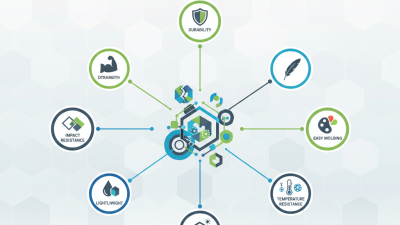
ABS plastic, known for its high resilience and versatility, has become a favored material among global buyers. Key properties contributing to its appeal include excellent impact resistance, ease of processing, and good mechanical strength. This versatile material can be manufactured into intricate shapes and designs, making it suitable for various applications. Its high gloss finish also provides aesthetic value.
When selecting materials, consider the specific needs of your project. For instance, ABS is lightweight but maintains durability, critical for items like consumer electronics and automotive parts. It's also chemical resistant, allowing it to withstand exposure to various substances without degrading. However, it’s important to note that ABS can be sensitive to UV light, which may lead to color changes over time.
Buyers should also weigh the environmental impact of ABS. While it’s recyclable, the recycling processes may not be widely available in all regions. Using ABS may reflect a material that is easy to source but could present challenges in end-of-life management. Think ahead to ensure your decisions align with sustainability goals.
Cost-Effectiveness of ABS Plastic in Various Industries
ABS plastic is a popular choice across various industries due to its cost-effectiveness. Industries ranging from automotive to consumer electronics prefer ABS for its balance of durability and price. This thermoplastic material provides excellent resistance to impact and heat. It is more affordable than many alternatives, making it accessible for mass production.
Some buyers may overlook the long-term savings that ABS offers. While the initial costs seem attractive, the durability of ABS can lead to lower maintenance expenses over time. For projects requiring robust materials, investing in ABS can yield significant financial benefits.
Tip: When considering materials, factor in the total lifecycle cost. This includes production, maintenance, and eventual disposal.
Another consideration is ABS's recyclability. While some plastics pose disposal challenges, ABS can be reused and recycled efficiently. This feature enhances its appeal for environmentally conscious companies. However, companies must ensure proper recycling methods are in place.
Tip: Evaluate the recycling programs in your area. This knowledge can guide better choices for sustainable practices.
Lastly, while ABS is a strong contender, it may not suit all applications. Rigorously assess project requirements before finalizing material choices. This reflection leads to more informed decisions.
Versatility of ABS Plastic: Applications Across Sectors
ABS plastic is known for its versatility, making it a popular choice across various industries. One prominent application is in the automotive sector. ABS is used to create durable and lightweight components. These parts are essential for enhancing vehicle performance and fuel efficiency. The ability to mold ABS into various shapes allows manufacturers to innovate and improve designs.
In consumer electronics, ABS plastic plays a vital role. It is used in casings for devices like smartphones and laptops. This material provides both protection and aesthetic appeal. The glossy finish of ABS enhances the overall look while offering shock resistance. Additionally, in construction, ABS is utilized for piping systems due to its durability and resistance to chemical corrosion. In these sectors, ABS plastic showcases its adaptability and durability.
While ABS has many benefits, it can also present challenges. Its sensitivity to heavier impacts can lead to cracking or shattering, especially in extreme conditions. Some users find difficulties in recycling ABS compared to other plastics. These aspects invite both reflection and further research in material choices and environmental impacts. Understanding these nuances is crucial for global buyers seeking to optimize their purchasing decisions.
Top 10 Benefits of ABS Plastic for Global Buyers
Environmental Impact and Recycling Potential of ABS Plastic
ABS plastic offers notable advantages for global buyers, particularly regarding its environmental impact and recycling potential. This thermoplastic has gained popularity due to its robustness and versatility. Recent reports indicate that approximately 60% of plastic products are not recycled, leading to substantial waste. However, ABS plastic is highly recyclable. It can be reprocessed and reused effectively, reducing landfill contributions.
With proper processing, ABS can be converted into various products. The recycling process for ABS typically recovers over 90% of its material, making it an eco-friendlier option. This efficiency is significant in a world striving for sustainability. Data from the Plastic Waste Management Institute shows that recycled ABS can reduce energy consumption by 20-30% compared to producing new plastic.
Tips: When sourcing ABS products, check for recycling certifications. Promote the use of recycled ABS to help close the loop. Consider lifecycle assessments to understand environmental impacts better. Manufacturers should embrace sustainable practices to adapt to growing consumer demand for eco-friendly materials. Reflecting on these practices is vital for long-term success in a competitive market.
Top 10 Benefits of ABS Plastic for Global Buyers
| Benefit | Description | Environmental Impact | Recycling Potential |
|---|---|---|---|
| Durability | ABS plastic is strong and resistant to impact, making it perfect for various applications. | Reduces waste during product lifecycle due to enhanced longevity. | Highly recyclable, contributing to a circular economy. |
| Lightweight | Lighter than many traditional materials, reducing transportation emissions. | Lower carbon footprint in manufacturing and logistics. | Easily collected and processed for recycling. |
| Moldability | Can be molded into complex shapes, allowing for innovative designs. | Optimizes material use, reducing waste generation. | Offers possibilities for post-consumer recycled content. |
| Chemical Resistance | Resistant to a variety of chemicals, enhancing product lifespan. | Less frequent replacements reduce environmental impact. | Recyclable without significant degradation in quality. |
| Cost-Effectiveness | Affordable compared to metals and high-performance plastics. | Encourages use in cost-sensitive applications reducing resource depletion. | Facilitates easy recycling at a lower cost. |
| Aesthetic Variety | Available in various colors and finishes to meet design needs. | Promotes consumer appeal without excess materials. | Colorants and additives can be recycled or reused. |
| Thermal Stability | Withstands temperature fluctuations, beneficial for outdoor applications. | Reduces tars and waste from thermal degradation. | Can be mixed with recycled materials without loss of properties. |
| Electrical Insulation | Excellent insulator, making it ideal for electronics. | Contributes to safer and longer-lasting electrical components. | Recyclability of electronic components is improving. |
| Impact Absorption | Provides good shock absorption suitable for safety applications. | Enhances safety without compromising environmental standards. | Easily recycled impacting exposed components. |
| UV Resistance | Resists damage from sunlight, extending outdoor product longevity. | Fewer replacements lead to reduced waste in landfills. | Recyclable even after prolonged outdoor exposure. |
Durability and Strength: Why ABS Plastic is a Preferred Choice
ABS plastic, known for its durability and strength, is often a preferred choice in various industries. Its resistance to impact makes it ideal for manufacturing products that withstand daily wear and tear. This robustness is evident in items like protective housings or automotive parts. ABS can endure harsh environmental conditions without losing its structural integrity, making it reliable for long-term use.
The material also offers excellent dimensional stability, which is crucial for precision engineering applications. It retains its shape even under stress. However, not all applications may benefit from ABS’s properties. Some environments may expose it to extreme temperatures, potentially leading to brittleness. Always assess the specific needs of a project before choosing ABS. In many cases, its benefits far outweigh the risks, ensuring a quality end product.
Related Posts
-
Top 10 Benefits of ABS Plastic You Need to Know in 2023
-

Why Choose ABS Plastic for Your Next Project?
-
Top 10 Benefits of ABS Material in Manufacturing for Enhanced Durability and Cost Efficiency
-
What is ABS Material and Its Uses in Various Industries?
-

Top 10 Benefits of Using Lucite Sheets for Your Projects?
-
10 Tips for Choosing the Best Solid Polycarbonate Sheet Wisely